












Are there any environmental considerations for nuts display materials?
As a supplier of nuts displays, I've witnessed a growing trend in the market - the increasing demand for environmentally - conscious display solutions. In today's world, where sustainability is not just a buzzword but a crucial aspect of business operations, it's essential for us to examine the environmental considerations related to the materials we use for nuts displays.
1. Types of Materials Commonly Used in Nuts Displays
Let's first take a look at the materials that are commonly used in the production of nuts displays.
- Cardboard: Cardboard is perhaps the most widely used material for nuts displays. It is lightweight, easy to customize, and relatively inexpensive. For example, Personalized Beverage Cardboard Display Rack often shares similar characteristics with nuts cardboard displays. Cardboard is made from wood pulp, which is a renewable resource. However, the process of manufacturing cardboard involves significant energy consumption and can generate a substantial amount of waste water if not properly managed. Also, the adhesives and inks used in printing on cardboard may contain harmful chemicals.
- Plastic: Plastic displays offer durability and can be molded into various shapes, making them suitable for eye - catching presentations. But plastic is derived from non - renewable fossil fuels. It takes hundreds of years to decompose in the environment, and improper disposal can lead to plastic pollution in oceans and landfills. There are alternatives like biodegradable plastics, but they are still more expensive and less common in the nuts display market.
- Metal: Metal displays, such as steel or aluminum, are sturdy and long - lasting. They can provide a high - end look for nuts products. However, the extraction and processing of metals are energy - intensive activities. Aluminum mining, for example, requires a large amount of electricity and can cause significant environmental degradation in mining areas.
2. Environmental Impact of the Production Process
The production of nuts display materials has a multi - faceted environmental impact:
- Energy Consumption: Manufacturing cardboard, plastic, and metal all require a significant amount of energy. For cardboard, the pulping and drying processes are energy - hungry. In plastic production, the steps of extracting and refining fossil fuels, and then polymerizing them into plastic, consume large amounts of energy. Metal production involves high - temperature melting and shaping processes that are extremely energy - intensive.
- Pollution: The manufacturing of nuts display materials can also lead to various forms of pollution. In cardboard production, the waste water from the pulping process may contain chemicals and suspended solids. Plastic production can release harmful greenhouse gases and toxic chemicals into the environment. Metal production emits large amounts of air pollutants, such as sulfur dioxide and particulate matter, which contribute to air quality deterioration and acid rain.
3. Sustainable Alternatives for Nuts Display Materials
To address these environmental concerns, there are several sustainable alternatives available:
- Recycled Cardboard: Using recycled cardboard can significantly reduce the demand for new wood pulp. It also consumes less energy and water compared to producing cardboard from virgin materials. Easy Assemble Pillow Display Stand could potentially be made from recycled cardboard, showing the feasibility of eco - friendly construction.
- Biodegradable Plastics: As mentioned earlier, biodegradable plastics are an option. These plastics are made from natural materials such as corn starch or sugarcane, and they can break down into natural substances within a relatively short period. Although they are more expensive, the long - term environmental benefits are significant.
- Recycled Metals: Recycling metals like steel and aluminum can save a large amount of energy. For example, recycling aluminum uses up to 95% less energy than producing new aluminum. Made in China Carton Stand Display could incorporate recycled metal components to enhance its sustainability.
4. End - of - Life Considerations
The end - of - life stage of nuts display materials is also an important aspect of environmental consideration:
- Recyclability: Cardboard is highly recyclable, and most recycling facilities can process it. Metal is also easy to recycle and can be reused multiple times without losing its quality. However, plastic recycling rates are still relatively low, especially for complex or multi - layer plastics.
- Compostability: Biodegradable plastics used in nuts displays can be composted, providing a natural way to dispose of them. This reduces the amount of waste that goes to landfills.
- Reusability: Some nuts display designs can be made reusable. For example, modular displays can be disassembled and reassembled for different promotions or locations, extending their lifespan.
5. Meeting Consumer Expectations
Consumers today are more environmentally conscious than ever before. They are likely to prefer brands that use sustainable display materials for their nuts products. By adopting eco - friendly display solutions, we as a nuts display supplier can not only reduce our environmental footprint but also enhance our brand image and attract more customers.
As a nuts display supplier, we understand the importance of balancing environmental considerations with the practical needs of our clients. Our commitment is to provide high - quality displays that are both visually appealing and environmentally friendly. We offer a wide range of display options using sustainable materials, and we are constantly researching and developing new solutions to meet the evolving market demands.

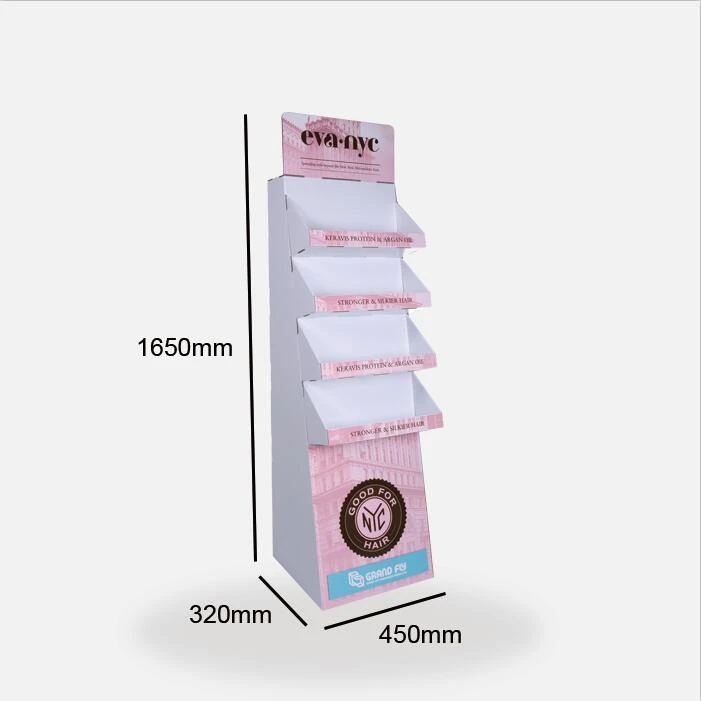
If you are interested in our nuts display products and would like to discuss your specific requirements, please feel free to reach out to us. We look forward to the opportunity to work with you on creating the perfect display for your nuts products.
References
- Bocken, N., de Pauw, I., Bakker, C., & van der Grinten, B. (2016). Product design and business model strategies for a circular economy. Journal of Industrial and Production Engineering, 33(5), 308 - 320.
- Geissdoerfer, M., Savaget, P., Bocken, N. M., & Hultink, E. J. (2017). The circular economy—A new sustainability paradigm? Journal of Cleaner Production, 143, 757 - 768.
- European Union. (2020). Directive (EU) 2018/852 of the European Parliament and of the Council of 30 May 2018 amending Directive 2008/98/EC on waste. Official Journal of the European Union, L150, 12 - 33.