









When it comes to presenting products effectively, the art of displaying multiple items in a single display box is both a science and an art. As a seasoned display box supplier, I've witnessed firsthand the transformative power of a well - designed display box in enhancing product visibility and driving sales. In this blog, I'll share some valuable insights and strategies on how to achieve this feat successfully.


Understanding the Basics of Display Box Design
Before delving into the techniques of multi - item display, it's crucial to understand the fundamental principles of display box design. The primary goal of a display box is to attract customers' attention, showcase products in an appealing way, and convey the right message. Material selection, size, shape, and color are all critical factors that influence the overall effectiveness of the display box.
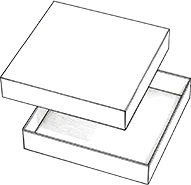
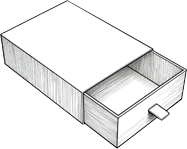
For instance, if you're dealing with delicate items, a Custom Packing Boxes made of high - quality paper can provide a soft and protective enclosure while still allowing for clear visibility of the products. On the other hand, Cardboard Counter Display Boxes are a popular choice for countertop displays due to their durability and cost - effectiveness. They can be easily customized in terms of size and shape to accommodate multiple items.
Strategic Product Placement
One of the most important aspects of displaying multiple items in a single box is strategic product placement. The key is to arrange the products in a way that maximizes visual appeal and makes it easy for customers to view and access them.
- Group by Category: Start by categorizing your products based on their type, size, or function. For example, if you're displaying cosmetics, group lipsticks together, eyeshadows in another area, and so on. This not only makes the display more organized but also helps customers quickly find what they're looking for.
- Create a Focal Point: Identify a star product or a group of high - interest items and place them at the center or at eye - level within the display box. This focal point will draw customers' eyes and increase the chances of them interacting with the products. For example, if you're selling a set of accessories, place the most unique or valuable piece in the prime viewing position.
- Use Tiered Display: To make the most of the available space in the display box and add depth to the presentation, consider using tiered displays. You can use partitions, shelves, or inserts to create different levels within the box. This allows you to showcase more items without making the display look cluttered. For example, in a POP Display Boxes for snacks, you could have a lower tier for larger packs and an upper tier for smaller, sample - sized items.
Utilizing Visual Elements
Visual elements play a significant role in making a display box stand out and effectively presenting multiple items.
- Color Coordination: Choose a color scheme that complements the products and the brand. A harmonious color palette can create a cohesive and attractive look. For example, if you're selling natural skincare products, earthy tones like greens and browns can create a sense of organic freshness. Avoid using too many bright or conflicting colors, as this can be overwhelming for the viewer.
- Graphics and Labels: Use high - quality graphics and clear labels to provide information about the products. Graphics can include product images, brand logos, or promotional messages. Labels should include details such as product names, features, and prices. For instance, in a display box for electronic gadgets, high - resolution images of the devices can give customers a better idea of what they're purchasing, and clearly labeled product specifications can help them make informed decisions.
- Lighting: If possible, incorporate lighting into the display box. Proper lighting can enhance the visibility of the products and create a more inviting atmosphere. You can use LED lights to highlight the focal points or to illuminate the entire box. This is especially effective in a dimly lit retail environment.
Considering the Customer Experience
When designing a display box to hold multiple items, it's essential to keep the customer experience in mind.
- Accessibility: Ensure that the products are easily accessible to customers. Avoid overcrowding the box or placing items in a way that makes them difficult to reach. For example, if you're displaying small trinkets, use open - fronted boxes or compartments that allow customers to pick up the items without having to dig through a pile.
- Ease of Understanding: The display should be easy to understand at a glance. Use clear signage and simple arrangements to convey the purpose and value of the products. For instance, if you're selling a bundle of products, clearly label the bundle price and the individual savings.
- Interactive Elements: Consider adding interactive elements to the display box to engage customers. This could include pull - out drawers, flip - up panels, or touch - sensitive displays. Interactive displays can make the shopping experience more enjoyable and memorable for customers.
Customization and Flexibility
As a display box supplier, I understand the importance of customization. Every product and brand is unique, and a one - size - fits - all approach rarely works.
- Tailored Design: Work with a professional designer to create a display box that is specifically tailored to your products and brand identity. This may involve custom shapes, sizes, and printing options. For example, if you're a luxury brand, you might opt for a display box with embossed logos and a high - gloss finish.
- Modular Design: Consider using a modular design for the display box. This allows you to easily change the arrangement of the products or swap out items as needed. Modular displays are particularly useful for seasonal promotions or when you want to update your product offerings regularly.
Cost - Effectiveness
In addition to aesthetics and functionality, cost - effectiveness is also a crucial consideration when displaying multiple items in a single box.
- Material Selection: Choose materials that offer the right balance between quality and cost. For example, while high - end materials like wood or acrylic can provide a luxurious look, they may not be practical for all budgets. Cardboard and paper are often more affordable options that can still be designed to look professional.
- Volume Production: If you need a large number of display boxes, consider volume production. Many suppliers offer discounts for bulk orders, which can significantly reduce the cost per unit. Additionally, volume production can ensure consistency in quality and design.
Conclusion
Displaying multiple items in a single display box is a complex but rewarding task. By understanding the principles of display box design, using strategic product placement, leveraging visual elements, considering the customer experience, and focusing on customization and cost - effectiveness, you can create a display that effectively showcases your products and drives sales.
As a display box supplier, I'm committed to helping businesses achieve their marketing and sales goals through innovative and high - quality display solutions. If you're interested in exploring custom display box options for your products, I encourage you to reach out for a consultation. We can work together to design a display box that meets your specific needs and exceeds your expectations.
References
- Pilditch, A. (2019). The Art of Retail Display: How to Create Eye - Catching Visual Merchandising. London: Kogan Page.
- Levin, B. (2020). Visual Merchandising and Display for Dummies. Hoboken, NJ: Wiley.