









When it comes to promoting wine tourism in a wine - growing region, an effective wine display can significantly enhance the visitor experience and boost wine sales. As a wine display supplier, I've had the privilege of working with numerous wine - growing region tourism centers to create captivating displays. In this blog, I'll share some strategies on how to display wine in such a setting.
Understanding the Audience
The first step in creating an impactful wine display is to understand the target audience. Wine - growing region tourism centers attract a diverse range of visitors, from casual tourists looking for a fun experience to serious wine connoisseurs seeking in - depth knowledge. For casual tourists, the display should be visually appealing and easy to understand. It could feature bright colors, engaging graphics, and simple descriptions of the wines. On the other hand, for wine connoisseurs, more detailed information about the wine's origin, grape variety, and tasting notes is essential.
Choosing the Right Display Units
Selecting the appropriate display units is crucial for showcasing wine effectively. One option is the 4 Shelves Bottle Display. This display unit provides ample space to showcase multiple bottles of wine. It can be arranged in a way that highlights different types of wines, such as red, white, and sparkling. The shelves can also be adjusted to accommodate bottles of various sizes, ensuring a neat and organized look.
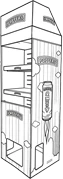
Another option is the POP Book Stores Cardboard FSDU. This type of display is not only cost - effective but also highly customizable. It can be designed with eye - catching graphics and branding elements to attract visitors' attention. The cardboard material is lightweight and easy to set up, making it a great choice for temporary displays or for changing the display layout frequently.
The Floor Paper Cardboard Display Stand is also a popular choice. It can be placed on the floor near the entrance or in high - traffic areas of the tourism center. This display stand can hold a significant number of bottles and can be designed to create a focal point in the room.
Grouping and Categorizing Wines
Grouping wines in a logical way can make it easier for visitors to navigate the display. One common approach is to group wines by grape variety. For example, all Cabernet Sauvignon wines can be placed together, followed by Chardonnay, Pinot Noir, etc. This allows visitors to compare different wines made from the same grape and understand the unique characteristics of each.
Another way to group wines is by region. If the wine - growing region has multiple sub - regions, wines from each sub - region can be displayed separately. This helps visitors learn about the distinct terroir and flavor profiles associated with different areas within the region.
Wines can also be grouped by price range. This is useful for visitors who have a specific budget in mind. By clearly labeling the price ranges, visitors can quickly find wines that fit their financial constraints.
Adding Visual Appeal
Visual appeal is key to attracting visitors to the wine display. One way to enhance visual appeal is by using lighting. Soft, warm lighting can create a cozy and inviting atmosphere, while spotlights can be used to highlight specific bottles or areas of the display. For example, a spotlight can be placed on a limited - edition or award - winning wine to draw attention to it.
In addition to lighting, the use of props can also add interest to the display. For instance, wine - related items such as corkscrews, wine glasses, and wine - themed books can be incorporated into the display. These props not only make the display more visually appealing but also help to tell the story of wine and enhance the overall visitor experience.
The background of the display can also play a role in visual appeal. A simple, neutral background can make the wines stand out, while a more elaborate background with vineyard images or wine - related artwork can create a more immersive experience.
Providing Educational Information
A wine display in a wine - growing region tourism center should not only look good but also provide educational value. Visitors come to these centers to learn about wine, and the display can be a valuable teaching tool.
Each bottle of wine should have a label that includes basic information such as the wine's name, grape variety, vintage, and alcohol content. In addition, more detailed tasting notes can be provided. These notes can describe the wine's aroma, flavor, and mouthfeel, as well as food pairings.
The display can also include information about the winemaking process. This could be presented in the form of posters, brochures, or digital displays. By educating visitors about how wine is made, they can develop a deeper appreciation for the product and be more likely to make a purchase.
Interactive Elements
Adding interactive elements to the wine display can make the visitor experience more engaging. For example, touch - screen displays can be incorporated into the display. These touch - screens can provide additional information about the wines, such as videos of the vineyards, interviews with winemakers, and virtual wine tastings.
Another interactive element could be a wine - tasting station. Visitors can sample different wines and compare their flavors. This hands - on experience can be a powerful way to convert visitors into customers.
Maintaining the Display
Regular maintenance of the wine display is essential to ensure its effectiveness. The display should be kept clean and free of dust. Bottles should be checked regularly to ensure they are properly arranged and that the labels are legible.
If there are any changes in the wine inventory, the display should be updated accordingly. New wines should be added to the display in a timely manner, and discontinued wines should be removed.
Conclusion
Displaying wine in a wine - growing region tourism center requires careful planning and attention to detail. By understanding the audience, choosing the right display units, grouping and categorizing wines, adding visual appeal, providing educational information, incorporating interactive elements, and maintaining the display, you can create a display that not only attracts visitors but also drives wine sales.


If you're looking to enhance your wine display in a wine - growing region tourism center, I'd love to discuss your specific needs. As a wine display supplier, I have the expertise and resources to create a customized display that meets your requirements. Contact me today to start the conversation about your wine display project.
References
- Robinson, J. (2006). The Oxford Companion to Wine. Oxford University Press.
- Jackson, R. S. (2008). Wine Science: Principles and Applications. Academic Press.
- Vaudour, E. (2011). Wine Marketing: A Global Perspective. Wiley - Blackwell.