










As a counterdisplay supplier, I've witnessed firsthand how strategic counterdisplay placement can transform a store's sales and customer experience. In this blog, I'll share some of the best practices for counterdisplay placement in a store, based on industry research and my own experiences.
Understanding the Basics of Counterdisplay Placement
Before diving into specific placement strategies, it's essential to understand the fundamental principles that guide effective counterdisplay placement. The primary goal of a counterdisplay is to attract customers' attention, encourage impulse purchases, and increase the visibility of featured products. To achieve these goals, consider the following factors:
- Visibility: Ensure that your counterdisplay is easily visible from multiple angles within the store. Place it at eye level or slightly above to maximize its impact.
- Traffic Flow: Analyze the store's traffic patterns to identify high-traffic areas where customers are likely to pass by. Place your counterdisplay in these areas to increase its exposure.
- Complementary Products: Position your counterdisplay near complementary products to encourage cross-selling. For example, if you're promoting a line of lipsticks, place the Cosmetic Lipstick Display Stand near other makeup products.
- Space Utilization: Make the most of the available space by choosing a counterdisplay that fits the dimensions of the designated area. Avoid overcrowding the display, as this can make it difficult for customers to view the products.
High-Traffic Areas for Counterdisplay Placement
One of the most effective ways to increase the visibility of your counterdisplay is to place it in high-traffic areas within the store. Here are some key locations to consider:
- Entrance and Exit: The entrance and exit are prime locations for counterdisplays, as they are the first and last areas that customers see when entering or leaving the store. Place a counterdisplay near the entrance to capture customers' attention as they enter, or near the exit to encourage impulse purchases on the way out.
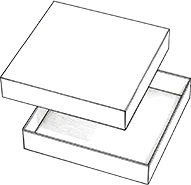
- Checkout Counters: Checkout counters are another high-traffic area where customers are likely to spend some time waiting in line. Place a counterdisplay near the checkout to offer customers convenient access to small, impulse-buy items such as snacks, magazines, or small trinkets. Consider using Small Counter Display Boxes to showcase these items effectively.
- Aisle Intersections: Aisle intersections are areas where customers are more likely to pause and look around. Place a counterdisplay at an aisle intersection to attract customers' attention and encourage them to explore the featured products. This is a great location for promoting new or seasonal products.
- End Caps: End caps are the displays located at the end of store aisles. They are highly visible and can be used to showcase a variety of products. Place a counterdisplay on an end cap to increase the visibility of your featured products and draw customers into the aisle.
Targeting Specific Customer Segments
In addition to placing your counterdisplay in high-traffic areas, it's important to consider the specific needs and preferences of your target customer segments. Here are some tips for targeting different customer segments:
- Youth Customers: Youth customers are often more likely to be influenced by trends and social media. Place your counterdisplay in areas where youth customers are likely to gather, such as near the electronics or fashion sections of the store. Use bright colors, bold graphics, and interactive elements to attract their attention.
- Senior Customers: Senior customers may have different needs and preferences when it comes to shopping. Place your counterdisplay in areas that are easily accessible and well-lit. Use clear signage and large fonts to make it easy for senior customers to read the product information.
- Female Customers: Female customers are often more likely to be interested in beauty, fashion, and home decor products. Place your counterdisplay in areas where female customers are likely to shop, such as near the cosmetics or clothing sections of the store. Use feminine colors, elegant designs, and high-quality materials to appeal to their aesthetic sensibilities.
- Male Customers: Male customers may be more interested in sports, electronics, and automotive products. Place your counterdisplay in areas where male customers are likely to browse, such as near the sports or electronics sections of the store. Use bold, masculine designs and high-tech features to attract their attention.
Using Lighting and Signage to Enhance Visibility
Lighting and signage are powerful tools that can be used to enhance the visibility of your counterdisplay and attract customers' attention. Here are some tips for using lighting and signage effectively:
- Lighting: Use bright, focused lighting to highlight the products on your counterdisplay. This can help to make the products more visible and appealing to customers. Consider using LED lights, which are energy-efficient and long-lasting.
- Signage: Use clear, concise signage to communicate the key features and benefits of the products on your counterdisplay. Use large fonts, bold colors, and eye-catching graphics to make the signage stand out. Consider using digital signage to display dynamic content and promotions.
- Branding: Incorporate your brand logo and colors into the design of your counterdisplay and signage. This can help to reinforce your brand identity and make your counterdisplay more memorable to customers.
Testing and Optimizing Counterdisplay Placement
Finally, it's important to test and optimize your counterdisplay placement to ensure that it is achieving the desired results. Here are some tips for testing and optimizing your counterdisplay placement:


- A/B Testing: Conduct A/B testing by placing your counterdisplay in different locations within the store and measuring the sales performance of each location. This can help you to identify the most effective placement for your counterdisplay.
- Customer Feedback: Collect feedback from customers to understand their preferences and perceptions of your counterdisplay. This can help you to make informed decisions about the design and placement of your counterdisplay.
- Data Analysis: Analyze sales data and customer traffic patterns to identify trends and opportunities for improvement. This can help you to optimize your counterdisplay placement and increase its effectiveness over time.
Conclusion
In conclusion, strategic counterdisplay placement is essential for maximizing the visibility and sales of your products in a store. By understanding the basic principles of counterdisplay placement, targeting specific customer segments, using lighting and signage effectively, and testing and optimizing your placement, you can create a counterdisplay that attracts customers' attention, encourages impulse purchases, and increases your bottom line.
If you're interested in learning more about our counterdisplay products and how they can benefit your business, please don't hesitate to contact us for a consultation. We'd be happy to discuss your specific needs and help you find the perfect counterdisplay solution for your store.
References
- Kotler, P., & Armstrong, G. (2018). Principles of Marketing. Pearson.
- Levy, M., & Weitz, B. A. (2016). Retailing Management. McGraw-Hill Education.
- Schiffman, L. G., & Kanuk, L. L. (2014). Consumer Behavior. Pearson.