








When it comes to running a top - notch wine - industry training center, one of the key aspects often overlooked is how to display wine effectively. As a wine display supplier, I've seen firsthand how the right display can transform a training center from ordinary to extraordinary. In this blog, I'll share some of the best ways to showcase wine in such an environment.
Importance of Proper Wine Display
Before we dive into the specific methods, let's briefly talk about why proper wine display matters in a wine - industry training center. Firstly, it creates an immersive learning experience. Trainees can visually inspect different bottles, observe label details, and get a real - world feel of the wine selection. Secondly, an attractive display can enhance the overall aesthetic of the training center, making it a more engaging and comfortable place for learning.
Visual Merchandising Principles
One of the fundamental concepts in wine display is visual merchandising. This involves arranging the wine bottles in a way that catches the eye and tells a story. Grouping wines by region is a great approach. For example, you can have a section dedicated to French wines, another for Italian ones, and so on. This not only makes it easier for trainees to understand the diversity of wine production but also adds a sense of order to the display.
Another principle is to create a focal point. You can do this by featuring a rare or high - end wine bottle at the center of a display. Surround it with complementary bottles to draw attention to the centerpiece. This method can pique the trainees' curiosity and encourage them to explore further.
Types of Wine Displays
Shelving Displays
Shelving is a classic and practical way to display wine. You can use wooden or metal shelves, depending on the style of your training center. For a more rustic look, wooden shelves work great, while metal shelves give a modern and industrial vibe.
Adjustable shelving is highly recommended. This allows you to change the height between shelves to accommodate different bottle sizes, from standard wine bottles to larger champagne bottles. Plus, you can rearrange the display whenever you want to highlight different wines or themes.
Wall - Mounted Displays
Wall - mounted displays are a space - saving option, especially for smaller training centers. You can install wall - mounted racks that hold the wine bottles horizontally. This not only saves floor space but also gives the impression of a more open and airy environment.
Moreover, wall - mounted displays can be used to create a unique visual impact. You can arrange the bottles in patterns or shapes, like a wine - themed mural on the wall. This kind of display is sure to make a lasting impression on trainees.
Floor Displays
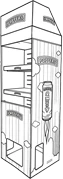
Floor displays are great for making a bold statement. You can use large, standalone units to showcase a particular brand or type of wine. For example, a Point Of Sale Cardboard Displays can be customized with brand logos and information, making it an effective promotional tool.
Another option is the 3 Tiers Cardboard LCD Display. This display not only holds multiple bottles but also has an LCD screen where you can play videos about the wine, such as its production process or tasting notes. It adds an interactive element to the display, which is very appealing in a training setting.
Lighting for Wine Displays
Lighting plays a crucial role in wine display. Soft, warm lighting is often preferred as it enhances the color of the wine and gives a cozy atmosphere. You can use track lighting to focus on specific areas of the display, like the focal point or a particular section of wines.
LED lights are a great choice as they are energy - efficient and produce less heat, which is important for wine preservation. You can also use colored lights sparingly to create a unique effect, but be careful not to overdo it as it can be distracting.
Complementary Elements
To make the wine display more engaging, consider adding complementary elements. For example, you can place wine glasses next to the bottles to show the proper serving ware. Adding some small cards with tasting notes or food - pairing suggestions is also a good idea.
If you have space, you can include small barrels or wine - related artifacts like corkscrews in the display. This adds a touch of authenticity and helps trainees connect with the wine industry on a deeper level. You might even use a Cardboard Floor Display for Chocolates near the wine display to showcase chocolate pairings, as chocolate and wine can be a wonderful combination.
Maintenance and Upkeep
Once you've set up the display, it's important to maintain it. Regularly dust the bottles and displays to keep them looking clean. Check the shelves and racks for any signs of damage and repair or replace them as needed.
Also, rotate the wines in the display periodically. This ensures that all the wines in the training center's collection get the chance to be showcased and that trainees are exposed to a wide variety.
Conclusion
In conclusion, there are many ways to display wine effectively in a wine - industry training center. By applying visual merchandising principles, choosing the right types of displays, using appropriate lighting, and adding complementary elements, you can create an engaging and educational environment for trainees.
If you're interested in improving the wine display in your training center, I'd love to talk to you. As a wine display supplier, I have a wide range of options available and can help you customize a display that suits your specific needs. Whether you're looking for a simple shelving solution or a high - tech interactive display, we can work together to find the perfect fit. Reach out to me and let's start the conversation about transforming your wine - industry training center's display today.


References
- "Visual Merchandising: Principles and Practices" by Kris Brunner
- "The Wine Room: Design, Build, and Stock Your Dream Cellar" by Peter Liem