









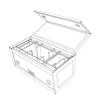



In the dynamic world of retail, counterdisplay design plays a pivotal role in attracting customers, enhancing brand visibility, and driving sales. As a counterdisplay supplier, I've witnessed firsthand how these trends evolve, reflecting changes in consumer behavior, technological advancements, and market demands. In this blog post, I'll explore the latest trends in counterdisplay design that are shaping the retail landscape today.
Sustainability at the Forefront
One of the most significant trends in counterdisplay design is the growing emphasis on sustainability. Consumers are increasingly conscious of the environmental impact of their purchases, and they expect brands to share their values. As a result, there's a rising demand for counterdisplays made from eco - friendly materials.
Recycled cardboard is becoming a popular choice for counterdisplays. It's not only renewable and biodegradable but also cost - effective. For example, our Retail Counter Display Cases are crafted from high - quality recycled cardboard, which can be easily recycled again after use. These displays offer a great balance between environmental responsibility and functionality, allowing retailers to showcase their products while appealing to environmentally - conscious consumers.
In addition to using sustainable materials, designers are also focusing on reducing waste in the production process. This includes optimizing the design to minimize the amount of material used and ensuring that the display can be easily disassembled and recycled at the end of its life cycle.
Interactive and Digital Elements
The integration of interactive and digital elements is another major trend in counterdisplay design. With the proliferation of smartphones and other digital devices, consumers are more engaged with technology than ever before. Retailers are leveraging this trend by incorporating digital displays, touchscreens, and augmented reality (AR) features into their counterdisplays.
Digital displays can show dynamic content such as product videos, animations, and real - time promotions. This not only grabs the attention of customers but also provides them with more detailed information about the products. For instance, a Sunglasses Counter Display with a digital screen can showcase different models of sunglasses, their features, and how they look on different face shapes through virtual try - on technology.
Touchscreens allow customers to interact directly with the display, enabling them to browse through product catalogs, compare prices, and even place orders. This hands - on experience enhances customer engagement and can lead to increased conversion rates.
Augmented reality is also making its way into counterdisplay design. By using a smartphone camera, customers can view virtual 3D models of products in their real - world environment. This immersive experience helps customers make more informed purchasing decisions and creates a memorable shopping experience.
Personalization and Customization
Today's consumers expect personalized experiences, and counterdisplay design is no exception. Retailers are looking for ways to tailor their displays to specific target audiences, locations, and promotional campaigns.
Customization can take many forms, from the design and color scheme of the display to the products featured. Our Custom Printed Color Tear off Cardboard Packaging Corrugated Display Paper Box offers a high degree of customization. Retailers can print their brand logo, product images, and promotional messages on the display, creating a unique and eye - catching presentation.
Moreover, personalization can also be based on customer data. By analyzing customer demographics, purchasing history, and browsing behavior, retailers can create targeted counterdisplays that are more likely to resonate with their customers. For example, a counterdisplay in a high - end shopping mall might feature luxury products, while a display in a more budget - friendly store could showcase affordable options.
Minimalism and Clean Design
In a world filled with visual clutter, minimalism and clean design are becoming increasingly popular in counterdisplay design. A minimalist display focuses on simplicity, using a limited color palette, clean lines, and ample white space. This approach helps to draw attention to the products and creates a sense of sophistication and elegance.
Minimalist counterdisplays are easy to understand and navigate, making it easier for customers to focus on the products. They also give a modern and professional look to the retail space, which can enhance the brand image. For example, a simple cardboard counterdisplay with a single product and a clear call - to - action can be more effective in attracting customers than a cluttered display with too many elements.
Brand Storytelling
Counterdisplays are not just about showcasing products; they're also an opportunity to tell a brand's story. Consumers are more likely to connect with a brand that has a compelling story behind it. Designers are incorporating elements of brand storytelling into counterdisplay design to create an emotional connection with customers.


This can be done through the use of graphics, images, and text that convey the brand's values, mission, and history. For example, a counterdisplay for a natural skincare brand might feature images of the ingredients being sourced from nature, along with a brief description of the brand's commitment to sustainability. This helps customers understand the brand's identity and builds trust and loyalty.
Mobility and Portability
With the rise of pop - up shops, trade shows, and mobile retail, mobility and portability are important considerations in counterdisplay design. Retailers need displays that can be easily transported, assembled, and disassembled.
Lightweight materials such as cardboard and plastic are commonly used to create portable counterdisplays. These displays can be folded flat for easy storage and transportation, and they can be quickly set up at different locations. This flexibility allows retailers to adapt to different marketing opportunities and reach a wider audience.
Conclusion
The latest trends in counterdisplay design are driven by a combination of consumer preferences, technological advancements, and market demands. As a counterdisplay supplier, it's essential to stay ahead of these trends to provide our customers with innovative and effective solutions.
Whether it's using sustainable materials, incorporating interactive elements, offering customization options, or telling a brand's story, our counterdisplays are designed to meet the evolving needs of retailers and consumers. If you're interested in exploring how our counterdisplays can enhance your retail space and drive sales, we'd love to hear from you. Reach out to us to discuss your specific requirements and let's work together to create a counterdisplay that makes a lasting impression.
References
- "Retail Display Design: Trends and Best Practices" by Retail Design Institute
- "The Impact of Digital Displays on Consumer Behavior" by Journal of Marketing Research
- "Sustainable Packaging and Display Solutions" by Packaging Digest