









When it comes to the world of retail, marketing, and product presentation, the significance of a display box cannot be overstated. As a seasoned display box supplier, I've witnessed firsthand how the right arrangement of items within a display box can transform a simple product showcase into an attention - grabbing, sales - generating masterpiece. So, what exactly is the best way to arrange items in a display box? Let's delve into the strategies and considerations that can help you achieve optimal results.
Understanding the Purpose of the Display Box
Before diving into the arrangement process, it's crucial to understand the purpose of the display box. Is it meant to introduce a new product, promote a special offer, or simply showcase a range of your products? The answer to this question will determine the overall theme and layout of your display.
For example, if you're launching a new product line, the focus should be on the new items. You may want to arrange them in a way that makes them stand out, perhaps by using a contrasting background or placing them at eye - level. On the other hand, if you're running a promotion, highlighting the discounted items and clearly indicating the savings can be the key. Our Food Paper PDQ Display Box is a great option for food - related promotions, where the goal is often to attract impulse buys.
Analyzing the Target Audience
The target audience plays a fundamental role in deciding how to arrange items. Different age groups, genders, and cultures have distinct preferences and behaviors. For instance, younger audiences may be more drawn to bright colors, modern designs, and interactive displays. Seniors, on the contrary, may prefer a more straightforward and easy - to - understand layout.
If your target audience is mainly female, you might consider using softer colors and more elegant arrangements. For a male - dominated audience, bold colors and a more rugged look could be more effective. By understanding your audience, you can tailor the item arrangement to resonate with them on a deeper level.
Considering the Size and Shape of the Display Box
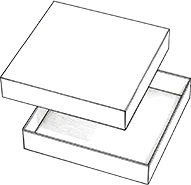
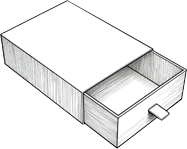
The physical characteristics of the display box itself are also important factors. A large, rectangular box offers more flexibility in terms of layout compared to a small, circular one. You can create multiple sections or levels in a large box to showcase different products or product features.
For smaller boxes, it's essential to be more strategic. You may need to focus on one or two key items and use minimalistic arrangements. Our Custom Packing Boxes can be customized to different sizes and shapes, allowing you to have greater control over how your items are presented.
Item Placement Based on Importance
One of the most basic yet effective principles of arranging items in a display box is to place the most important or high - value items in prominent positions. The top - center and eye - level areas of a display box are typically the most visible and therefore ideal for showcasing your star products.
For example, if you have a collection of products with different price points, place the premium or limited - edition items in these prime spots. This not only draws attention to them but also creates a sense of hierarchy in the display. You can then surround these key items with complementary or related products to encourage additional purchases.
Creating Visual Balance
Visual balance is crucial for an aesthetically pleasing and engaging display. There are two types of balance: symmetrical and asymmetrical. Symmetrical balance involves placing identical or similar items on either side of a central point. This creates a sense of stability and formality, which can be suitable for high - end or traditional products.
Asymmetrical balance, on the other hand, involves using different elements to create balance. This can be more dynamic and modern, making it a good choice for contemporary or trendy products. You can achieve asymmetrical balance by considering factors such as color, size, and shape of the items. For instance, placing a large, light - colored item on one side and a group of smaller, darker - colored items on the other side can create an effective asymmetrical balance. Our Cardboard Display Boxes can be used to experiment with different balance techniques due to their versatility.
Using Color Psychology
Color has a profound impact on human emotions and purchasing decisions. Warm colors like red, orange, and yellow are known to evoke feelings of excitement, energy, and urgency, making them great for promoting sales or limited - time offers. Cool colors such as blue, green, and purple convey a sense of calm, trust, and luxury, which can be ideal for high - end or health - related products.
When arranging items in a display box, consider the color palette of the products and the overall theme. You can use color to create contrast, harmony, or emphasis. For example, if your products have a predominantly blue color scheme, you could use a yellow background or a yellow - labeled product to create a striking contrast and draw attention.
Adding Context and Storytelling
People connect with products on an emotional level when they can tell a story. Adding context to your display can help customers understand the product's value and purpose. You can do this by including product descriptions, testimonials, or background information about the brand or the product's origin.
For example, if you're selling artisanal chocolates, you could include a small card that tells the story of the chocolate - maker, the sourcing of the ingredients, or the unique production process. This not only adds depth to the display but also makes the product more memorable.
Experimenting with Depth and Dimension
Creating a sense of depth and dimension in your display box can make it more engaging and realistic. You can achieve this by using layering techniques. Place some items in the front, some in the middle, and some at the back. This gives the display a three - dimensional look and makes it more interesting to the eye.
You can also use props, such as small stands or shelves, to add height and variation. For example, if you're displaying jewelry, you could use a small velvet - lined pedestal to elevate a particularly stunning piece. This not only makes the jewelry stand out but also adds a touch of elegance to the overall display.
Regularly Updating the Display
The retail environment is constantly changing, and so are customer preferences. To keep your display fresh and appealing, it's important to regularly update the arrangement of items. You can change the display based on seasons, holidays, new product launches, or trending topics.
For example, during the Christmas season, you could add some festive elements to your display box, such as miniature Christmas trees or snowflakes. This not only makes the display more relevant but also shows customers that your brand is dynamic and in tune with current events.
As a display box supplier, I'm here to support you in creating the most effective product presentations. Whether you need advice on item arrangement, custom - designed display boxes, or simply want to discuss your specific requirements, I'm more than happy to assist. If you're interested in exploring our wide range of display boxes and starting a conversation about how to best showcase your products, don't hesitate to reach out and initiate a procurement discussion.


References
- Pappas, B. (2015). The Psychology of Color in Marketing and Branding. ThoughtCo.
- Kotler, P., & Armstrong, G. (2018). Principles of Marketing. Pearson.