












Hey there! As a Dump Bin supplier, I often get asked about what kind of file access information Dump Bin can provide. Well, let's dive right into it!
First off, Dump Bin is an incredibly useful tool when it comes to getting detailed info about executable files, object files, and libraries. One of the most basic yet important pieces of file access information it can offer is the file's general characteristics. This includes details like whether the file is a 32 - bit or 64 - bit executable. Knowing this is crucial, especially in a world where different operating systems and applications have specific requirements for the bit - depth of the files they interact with. For example, if you're developing a software that needs to run on a 64 - bit Windows system, you'll want to ensure that all the executable files are 64 - bit compatible. Dump Bin can quickly tell you this by accessing the file's header information.
Another key aspect is the symbol table. The symbol table in a file contains information about functions, variables, and other symbols defined or referenced in the file. Dump Bin can access and display this symbol table. This is super handy for developers during the debugging process. Let's say you're trying to figure out why a particular function isn't working as expected. By looking at the symbol table, you can see if the function is correctly defined in the file, what its parameters are, and where it's being called from. It's like having a map of all the important elements in the file.
Dump Bin can also provide information about the import and export tables of a file. The import table lists all the functions and resources that the file needs to import from other libraries. On the other hand, the export table shows the functions and resources that the file itself exports for other files to use. This is essential for understanding the dependencies of a file. For instance, if you're working on a large software project with multiple libraries, you can use Dump Bin to see which libraries a particular executable depends on. This helps in managing the project's overall structure and ensuring that all the necessary components are in place.
When it comes to file sections, Dump Bin has got you covered. Every executable file is divided into different sections, such as the code section, data section, and read - only data section. Each section has a specific purpose. The code section contains the actual instructions that the computer executes, while the data section holds variables and other data used by the program. Dump Bin can access and provide details about these sections, like their size, location in the file, and permissions. This information is valuable for optimizing the file's performance and security.
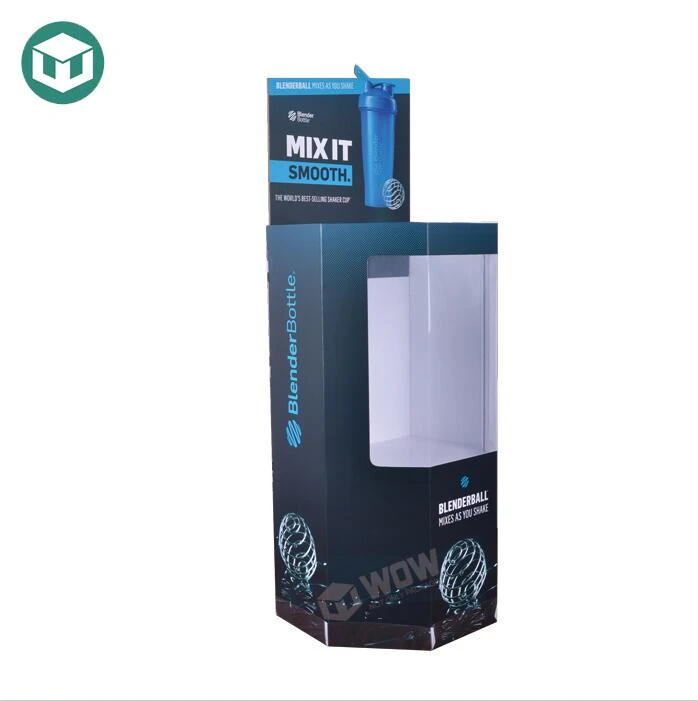
Now, let's talk about how this all relates to our products. We offer a wide range of Dump Bins, including the Dump Bin Display. These displays are not only practical but also provide a great way to showcase your products. They are designed to be eye - catching and durable, making them perfect for retail environments.
Our Coke Coka Cardboard Dump Bins are specifically tailored for Coca - Cola products. They are made from high - quality cardboard, which is both eco - friendly and cost - effective. These dump bins are designed to hold a large number of Coke products, making it easy for customers to access and purchase them.
And if you're looking for something more specific, our Cardboard Dumpbin For Coca Cola is the perfect choice. It's designed with the Coca - Cola brand in mind, ensuring that it fits seamlessly into any store layout.
In addition to the technical file access information, Dump Bin can also give insights into the file's version information. This includes details like the file's build number, product version, and copyright information. This is important for software distribution and support. For example, if you're a software vendor, you can use this information to ensure that your customers are using the latest version of your software.
Dump Bin can also provide information about the file's relocation entries. Relocation entries are used to adjust the addresses of functions and variables in a file when it's loaded into memory. By accessing and analyzing these relocation entries, developers can ensure that the file is loaded correctly and that all the functions and variables are accessible at the right addresses.
If you're interested in the performance of a file, Dump Bin can offer some useful information. It can show you details about the file's alignment, which can affect how quickly the file is loaded into memory. A well - aligned file can be loaded faster, leading to better overall performance. This is especially important for applications that need to start up quickly, such as games and multimedia players.
So, if you're in the market for high - quality Dump Bins or want to learn more about the file access information that Dump Bin can provide, don't hesitate to reach out. We're here to help you with all your Dump Bin needs, whether it's for retail displays or technical file analysis. Whether you're a developer looking for detailed file information or a retailer in need of attractive product displays, we've got the solutions for you. Contact us today to start a discussion about your requirements and let's work together to find the best Dump Bin options for you.
References

- Microsoft Docs: Information on Dump Bin functionality
- Software Development textbooks on executable file formats