











When customers are about to make a buying decision, the point of purchase displays (POP displays) they see can significantly influence whether they walk away with just one product or add several more to their basket. For retailers, investing in well-designed POP display stands and retail display stands is not only about presentation; it's about creating an environment that sparks impulse decisions, communicates brand value, and maximizes sales per visit.
This article explores seven actionable strategies for designing effective point of purchase displays, complete with insights into layout, interactivity, and promotional tactics that align with modern shopper behavior.
The foundation of any POP display stand begins with understanding who you're selling to. Different demographics respond to different visuals and product arrangements. For example:
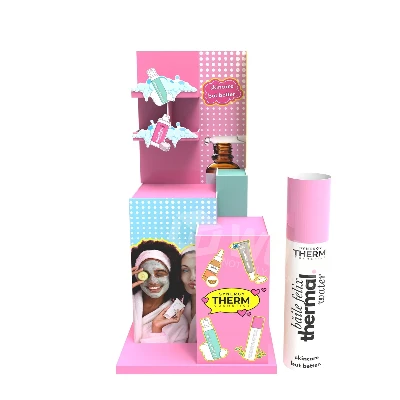
Younger audiences are more likely to respond to vibrant, interactive custom retail displays.
Families shopping in supermarkets may prefer cardboard retail display stands positioned near checkout lanes with snacks or household essentials.
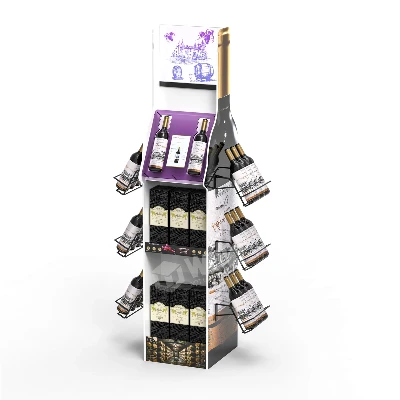
Premium buyers appreciate retail pos displays that highlight exclusivity, such as limited-edition packaging or clean minimalist design.
Gathering shopper insights through surveys, loyalty programs, or even observational studies helps ensure your point of purchase displays resonate directly with your audience's needs.
Place POP Displays Where They Matter Most
Even the most beautifully designed POP displays can underperform if they're hidden in low-traffic areas. Strategic placement drives visibility and action. Commonly effective zones include:
Checkout counters: Perfect for cardboard pop up displays showcasing small, affordable products.
Store entrances: Capture attention immediately with a large POP display stand featuring seasonal promotions.
Aisle ends (end caps): High-traffic zones ideal for bulk products or limited-time bundles.
Retailers can also use data such as heat maps to track where customers spend the most time, ensuring point of sale display stands are positioned for maximum engagement.
Shoppers are quick to overlook messy or overcrowded displays. A cluttered point of purchase display creates confusion instead of motivation. Retail experts recommend the "less is more" approach:
Limit the number of SKUs per POP display stand to highlight featured items.
Ensure shelves are restocked consistently so the display never looks half-empty.
Use signage or dividers to maintain neat product separation.
A clean, well-lit retail display stand reflects professionalism and reliability, two attributes that directly influence buying behavior.
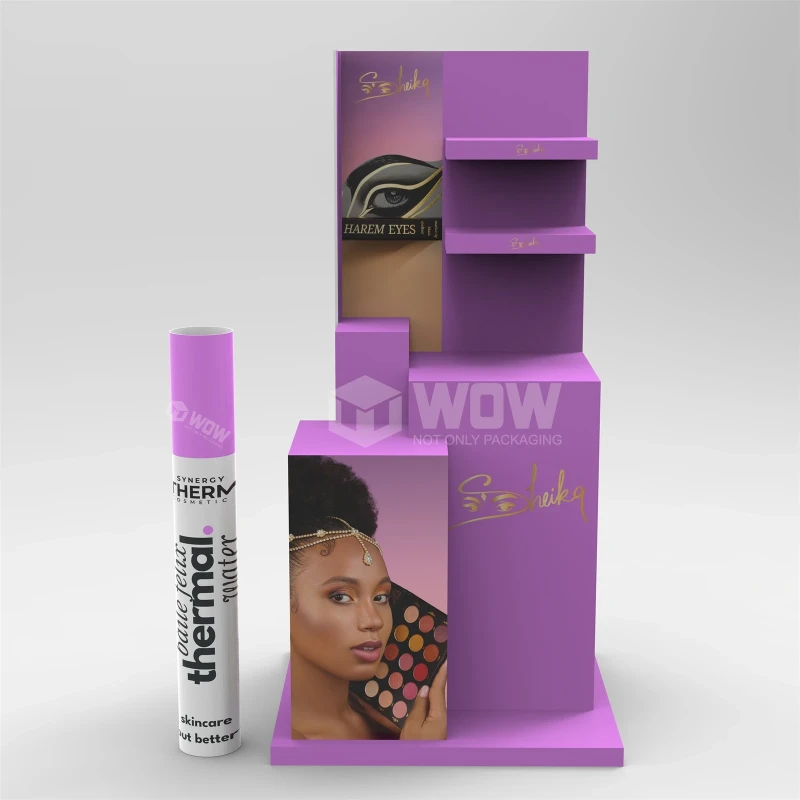
Use Engaging Visuals That Tell a Story
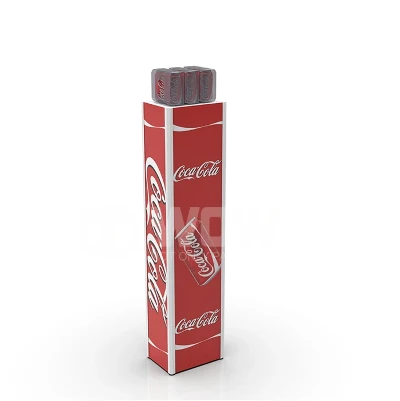
Visual appeal is the backbone of a successful custom retail display. Eye-catching graphics, bold typography, and clear color contrast can instantly draw shoppers closer. But visuals aren't just decoration-they should tell a story.
For example, a beverage company might design cardboard retail display stands shaped like a cooler, creating an association with refreshment. A snack brand could design POP displays featuring bright colors and playful characters that appeal to children and families.
The goal is to make the product's benefits and identity instantly recognizable, even from a distance.
In today's retail environment, shoppers expect more than static shelves. Interactivity increases dwell time and builds stronger brand connections. Options include:
Touchscreens or QR codes on point of sale display stands that lead to product tutorials or recipes.
Sampling stations incorporated into POP display stands, letting customers try before they buy.
Motion sensors or light effects in custom retail displays that activate when a customer walks by.
By adding interactive features, retailers not only boost engagement but also increase the likelihood of impulse purchases.
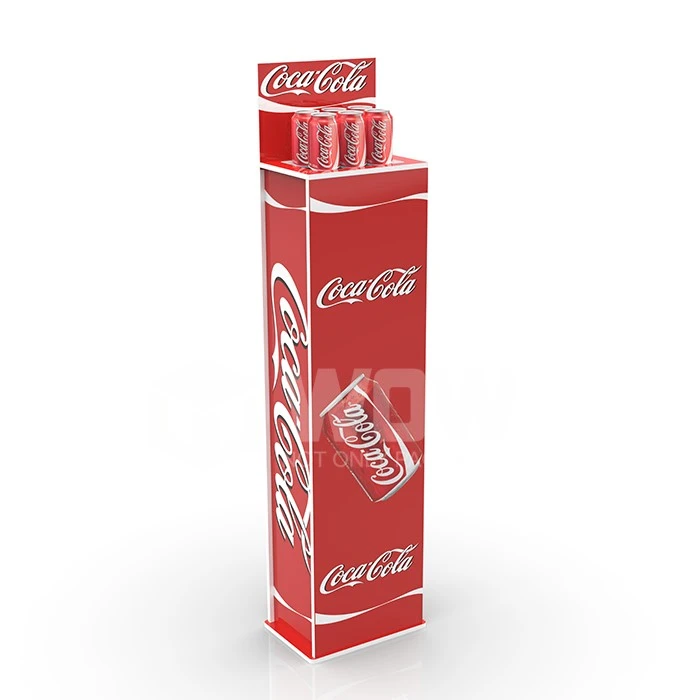
Add Interactive Elements to Enhance Engagement
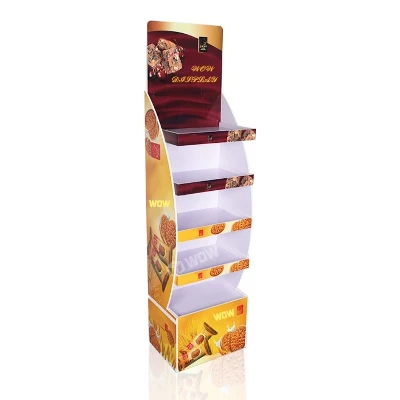
In today's retail environment, shoppers expect more than static shelves. Interactivity increases dwell time and builds stronger brand connections. Options include:
Touchscreens or QR codes on point of sale display stands that lead to product tutorials or recipes.
Sampling stations incorporated into POP display stands, letting customers try before they buy.
Motion sensors or light effects in custom retail displays that activate when a customer walks by.
By adding interactive features, retailers not only boost engagement but also increase the likelihood of impulse purchases
Track Performance and Continuously Adjust
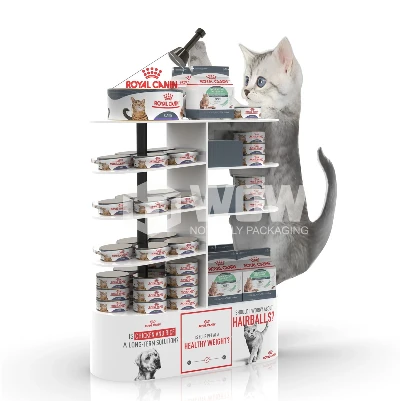
Effective retail strategy is never "set it and forget it." Successful retailers evaluate their POP display stands regularly to see what's working and what needs refinement.
Key performance indicators (KPIs) to track include:
Sales lift: Did the product sell faster when placed on a POP display stand?
Traffic flow: Did the display location capture enough attention?
Customer feedback: Were shoppers drawn to the design, or did they overlook it?
By monitoring and adjusting, you ensure your custom retail displays remain relevant, competitive, and profitable.
Conclusion: Driving Results Through Smart Display Design
Effective point of purchase displays combine psychology, design, and data. From knowing your customers and choosing the right retail display stands, to leveraging limited-time offers and tracking KPIs, every step adds up to a display that not only looks appealing but also drives measurable sales results.
Retailers who invest in custom retail displays, cardboard retail display stands, and innovative POP displays create more than a sales tool-they build a shopper experience that encourages impulse purchases and fosters brand loyalty.
✅ Looking to design high-impact POP displays for your brand?
At WOW Packaging, we specialize in custom retail display solutions-from cardboard pop up displays to point of sale display stands-that help your products stand out and sell faster. Get in touch with our design team today and explore how a tailored display can transform your in-store sales strategy.