







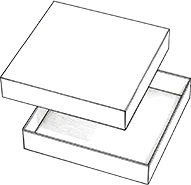
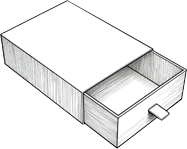



In an era where sustainability and branding go hand in hand, Kraft Paper has become a cornerstone material for modern cardboard boxes, rigid boxes, and kraft paper packaging solutions. From simple kraft paper rolls to highly customized kraft paper boxes, this material's strength,
recyclability, and versatility make it a favorite among packaging designers and manufacturers. This article explores what Kraft paper is, how it's made, its types, and the key advantages that make it an essential part of today's eco-conscious packaging landscape.
What is Kraft Paper?
Kraft Paper is a durable, coarse paper made primarily from wood pulp produced through the Kraft process. The term "Kraft" comes from the German word for "strength," reflecting its remarkable toughness and tear resistance. Unlike bleached white papers, natural Kraft has a distinctive brown color due to minimal chemical processing, which preserves its fibers' integrity and tensile strength.
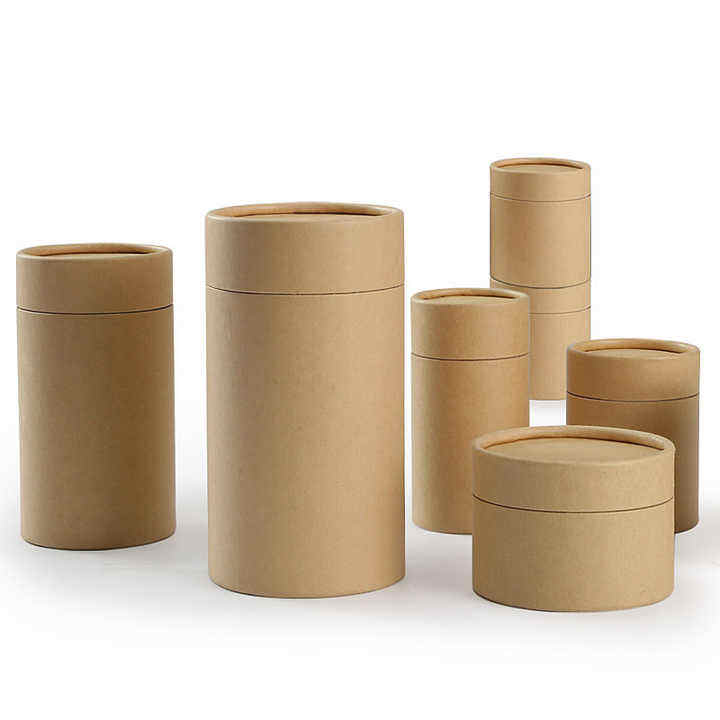
Today, Kraft paper is used across multiple industries-from cardboard packing boxes for e-commerce and retail to kraft cylinder packaging for beverages, cosmetics, and luxury gifts. Its natural, rustic appearance also enhances brand storytelling by conveying authenticity and sustainability.
How is Kraft Paper Made?
Kraft paper production begins with softwood trees like pine and spruce, which are rich in long fibers. These fibers are essential for creating strong paper with high tear resistance. The Kraft process-developed in the late 19th century-uses sodium hydroxide and sodium sulfide to break down lignin and separate cellulose fibers.
Here's how it works:
1. Pulping: Wood chips are cooked in a chemical solution called "white liquor" that removes lignin, leaving behind strong cellulose fibers.
2. Washing and Screening: The pulp is washed to remove chemicals and impurities.
3. Bleaching (optional): For white Kraft paper, the pulp is bleached using chlorine-free processes; for natural Kraft, this step is skipped.
4. Drying and Rolling: The pulp is pressed into large sheets, dried, and wound into kraft paper rolls.
The result is a high-strength paper that can be further processed into corrugated liners, laminated cardboard boxes, or converted into kraft paper packaging such as pouches, wraps, and tubes.
Types of Kraft Paper
Not all Kraft papers are the same. Depending on their purpose, manufacturers develop different grades and finishes:
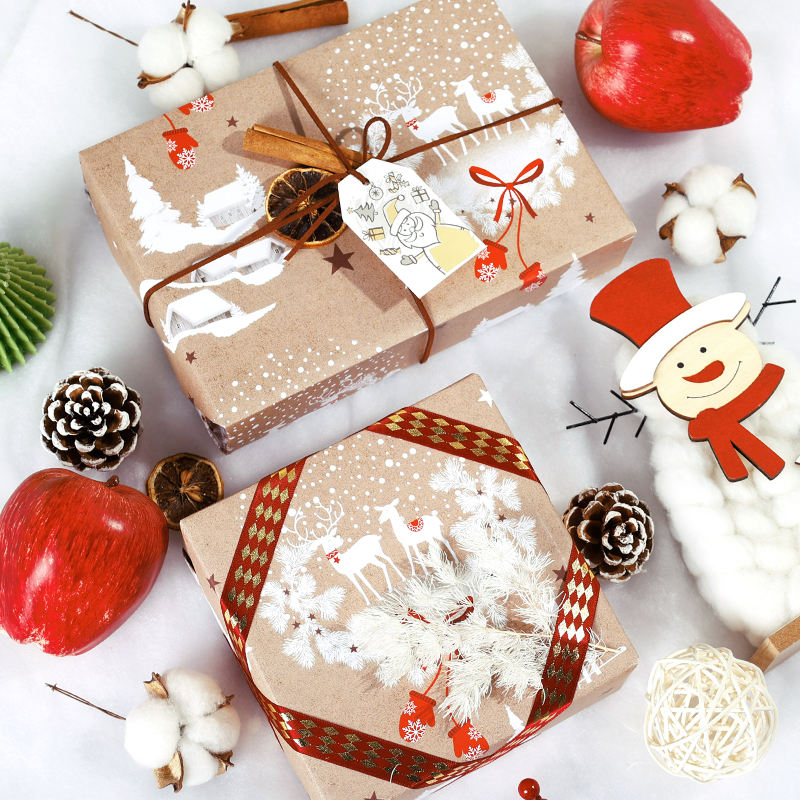
Natural Brown Kraft Paper
This is the most common form-strong, unbleached, and ideal for eco-friendly kraft packaging. Its organic texture makes it popular for brands emphasizing sustainability and minimalism.
White (Bleached) Kraft Paper
Produced through additional bleaching steps, white Kraft paper offers a clean, refined look suitable for luxury packaging or rigid boxes used in cosmetics and fashion. It retains much of the original strength while allowing vibrant color printing.
Coated Kraft Paper
For moisture or grease resistance, a thin layer of PE, wax, or clay coating is added. This type is widely used for food packaging, coffee cups, and bakery wraps.
Recycled Kraft Paper
Made from post-consumer recycled fibers, this option reduces waste and carbon emissions. Although slightly less strong, it's ideal for kraft packing paper and filler material.
Specialty Kraft Paper
Includes kraft cylinder packaging, laminated Kraft for gift boxes, and embossed Kraft for premium unboxing. These are often used for high-end branding where tactile texture and color consistency matter.
Advantages of Kraft Paper for Packaging
Kraft paper stands out because it blends mechanical strength, environmental responsibility, and design flexibility-qualities that modern brands and consumers value highly.
Exceptional Strength and Durability
Kraft fibers are longer and tougher than standard paper fibers, giving cardboard packing boxes excellent tensile and burst strength. Studies show that Kraft liners can withstand more than 50% higher compression compared to recycled paperboard, making them perfect for shipping and stacking.
Eco-Friendly and Biodegradable
Unlike plastic or composite materials, kraft packaging is 100% recyclable, compostable, and biodegradable. Many kraft paper boxes are made from FSC-certified pulp, ensuring sustainable forestry practices. This eco profile makes it the preferred choice for brands aiming to meet green packaging targets.
Cost-Effective Manufacturing
Despite its premium appeal, Kraft paper remains affordable to produce. Because the Kraft process recovers and reuses most of its chemicals, mills maintain high efficiency. This cost advantage allows manufacturers to offer custom printed cardboard boxes at scalable prices for both small and large runs.
Excellent Printability and Customization
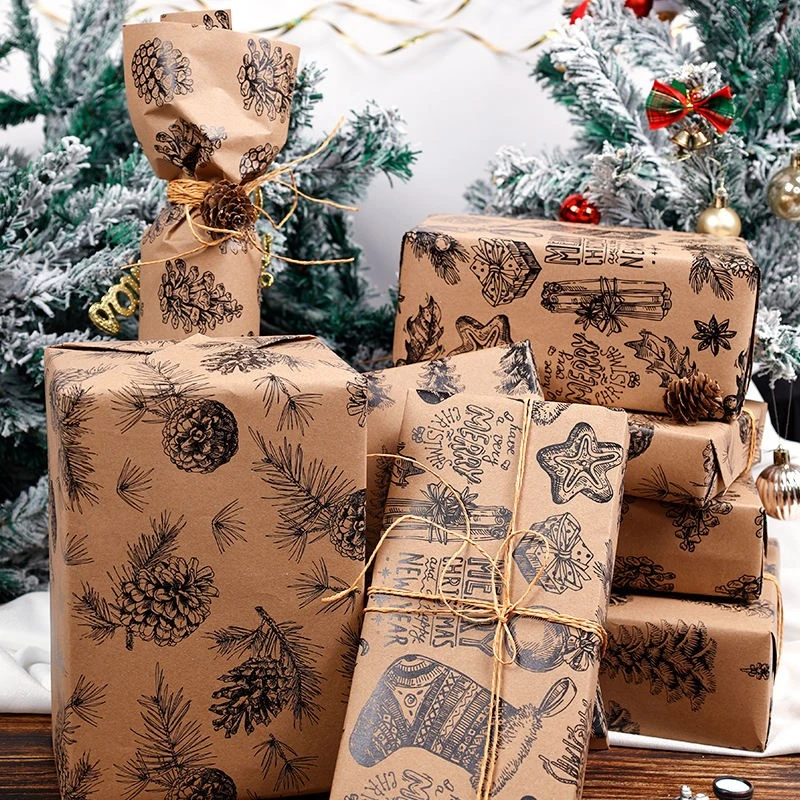
Modern printing techniques-such as flexographic, offset, and digital-work seamlessly on kraft paper packaging. Brands can print logos, patterns, or color accents to elevate simple brown boxes into stylish retail-ready packaging. For example, kraft paper boxes with black matte printing or white foil logos combine simplicity with sophistication.
Versatile Applications Across Industries
Kraft paper suits nearly any packaging need:
E-commerce: Corrugated mailers, wraps, and cardboard boxes for durable shipping.
Retail: Gift-ready kraft paper box packaging for cosmetics, clothing, and food.
Luxury: Laminated or rigid kraft cylinder packaging for wine, candles, and apparel.
Food Service: Greaseproof wraps and pouches made from coated Kraft.
The natural, earthy tone of kraft packaging conveys authenticity and eco-awareness. Research by Nielsen shows that 66% of global consumers prefer to buy from brands that use sustainable materials-making Kraft paper a marketing advantage as much as a material choice.
The Future of Kraft Paper in Packaging
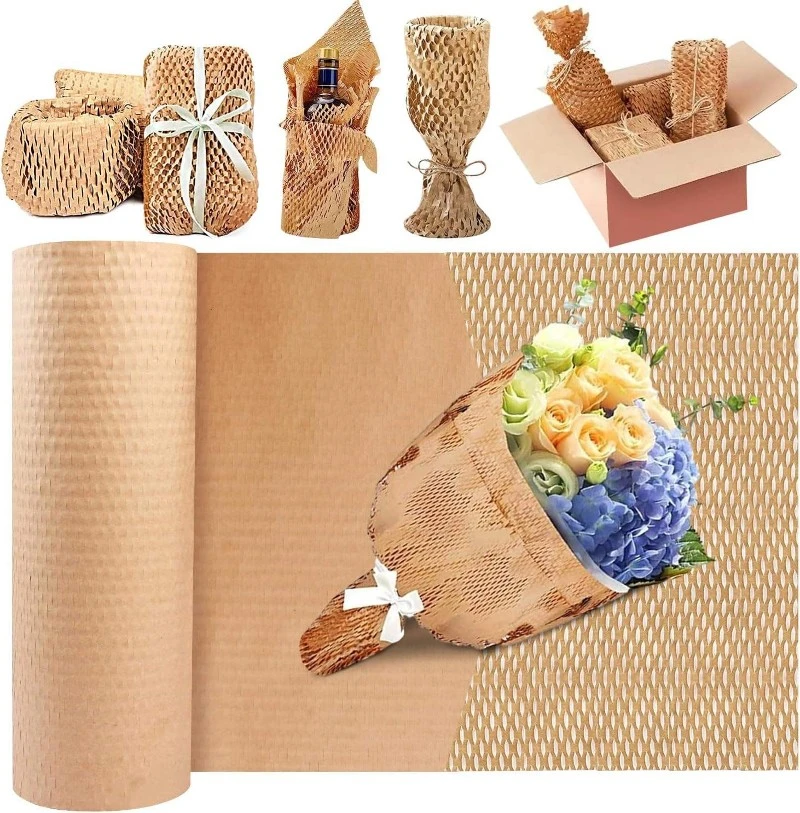
With tightening environmental regulations and increasing consumer demand for sustainable products, the use of Kraft paper packaging will continue to expand. Innovations such as kraft rigid boxes, laminated kraft cylinder packaging, and hybrid paper-plastic composites are bridging the gap between durability and recyclability.
According to Statista, the global paper packaging market is expected to surpass USD 500 billion by 2030, with Kraft paper leading the segment. Its adaptability-whether in cardboard packing boxes or decorative retail packaging-ensures it remains relevant for years to come.
FAQs
Q1: Why is Kraft paper stronger than regular paper?
Kraft paper's strength comes from its long wood fibers and minimal lignin content, which improve tear resistance and tensile strength compared to regular paperboard.
Q2: Can Kraft paper packaging be recycled or composted?
Yes. Natural Kraft is 100% recyclable and compostable. Even coated versions can often be recycled if the coating is water-based or biodegradable.
Q3: What types of products are best suited for Kraft packaging?
It's ideal for apparel, cosmetics, food, beverages, and e-commerce goods-any product that benefits from eco-friendly, durable packaging.
Q4: How does Kraft paper perform under moisture?
While standard Kraft absorbs moisture, coated or laminated variants provide improved resistance, making them suitable for cold-chain or food delivery use.
Q5: Why choose Kraft paper boxes for packaging?
Kraft paper boxes are strong, eco-friendly, and cost-effective. Their natural texture also gives a rustic, sustainable brand image.