













In an era of globalization and growing environmental awareness, sustainable packaging has become crucial. With rising demand for eco-friendly solutions, cardboard stands out for its recyclability, biodegradability, and versatility, making it key in reducing waste and promoting sustainability. This article explores the role of cardboard in sustainable packaging, highlighting its benefits, challenges, and the vital role of businesses and consumers in creating a greener future.
1. The Environmental Impact of Packaging
The Global Packaging Waste Problem
The issue of packaging waste, particularly from plastics, has reached alarming levels.Each year, millions of tons of packaging material are sent to landfills, with a significant portion consisting of non-biodegradable plastics. These materials can take centuries to decompose, leading to pollution and posing threats to wildlife. The environmental impact of packaging waste extends beyond landfills, with plastics seeping into oceans and ecosystems, resulting in devastating consequences.
Sustainable Packaging Solutions
To address this crisis, the implementation of sustainable packaging solutions has become a priority. Sustainable packaging involves the use of materials that are recyclable, biodegradable, and sourced from renewable resources. In this regard, cardboard stands out as an exemplary material, offering a viable alternative to plastics and other unsustainable options. The principles of reduce, reuse, and recycle are central to sustainable packaging, and cardboard embodies these principles through its recyclability and compostability.
2. Benefits of Cardboard as a Sustainable Packaging Material
Recyclability
One of the most significant environmental benefits of cardboard is its recyclability. Unlike plastic, which often ends up in landfills or incinerators, cardboard can be recycled multiple times without losing its structural integrity. The recycling process for cardboard involves breaking it down into fibers, which can then be used to create new cardboard products. This closed-loop system significantly reduces the need for virgin materials and helps decrease the overall waste output, making cardboard a cornerstone of sustainable packaging.
Biodegradability
Another key advantage of cardboard is its biodegradability. Unlike plastics that persist in the environment for hundreds of years, cardboard can decompose naturally within a few months under the right conditions. This rapid decomposition process reduces the environmental burden and prevents the accumulation of waste. Additionally, when cardboard decomposes, it releases nutrients back into the soil, contributing to the formation of a healthier ecosystem.

Use of Renewable Resources
Cardboard is primarily made from paper, which is sourced from trees. When managed sustainably, forests can provide a continuous supply of raw materials without depleting natural resources. Sustainable forestry practices, such as tree planting and responsible harvesting, ensure that the production of cardboard does not lead to deforestation. By using renewable resources, cardboard packaging supports the principles of a circular economy and reduces dependence on non-renewable materials.
Energy Efficiency
The production of cardboard is also more energy-efficient compared to other packaging materials like plastic or metal. Cardboard manufacturing typically requires less energy and water, resulting in a lower carbon footprint. Additionally, advances in production technologies have made it possible to produce lightweight yet durable cardboard packaging, further reducing the environmental impact associated with transportation and storage.
3. Innovations in Cardboard Packaging
Eco-friendly Coatings and Treatments
In response to the growing demand for sustainable packaging, innovations in cardboard production have led to the development of eco-friendly coatings and treatments. Traditional cardboard packaging may lack water resistance or durability, limiting its application in certain scenarios. However, new water-based and biodegradable coatings have been introduced, enhancing the performance of cardboard without compromising its sustainability. These coatings protect the contents from moisture and extend the lifespan of the packaging, making cardboard suitable for a broader range of products.
Lightweight and Durable Designs
Cardboard packaging has evolved to meet the needs of modern businesses, with designs that are both lightweight and durable. Engineers have developed advanced techniques to reinforce cardboard, allowing it to support heavier loads while maintaining a reduced weight. This innovation is particularly beneficial in reducing shipping costs and carbon emissions, as lighter packaging requires less fuel for transportation. Additionally, the durability of these designs ensures that products arrive at their destination intact, minimizing waste from damaged goods.
Customizability and Versatility
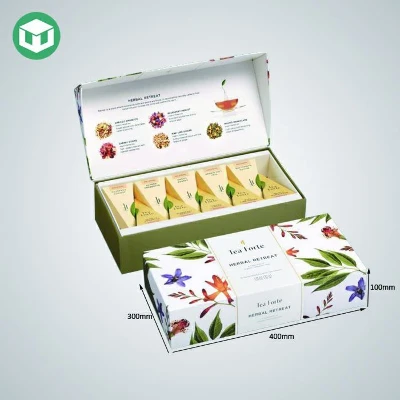
One of the most appealing aspects of cardboard packaging is its versatility. Cardboard can be easily customized to fit various products, from small electronics to large appliances. Businesses have the flexibility to choose from a range of shapes, sizes, and printing options to create packaging that not only matches their brand identity but is also environmentally friendly. The ability to design bespoke packaging solutions makes cardboard a preferred choice for companies looking to combine functionality with sustainability.
4. Challenges and Considerations in Cardboard Packaging
Limitations of Cardboard
While cardboard is an excellent material for sustainable packaging, it does have its limitations. For instance, in environments with high humidity or direct exposure to liquids, cardboard may not perform as well as other materials. Additionally, cardboard may not be suitable for packaging extremely heavy or fragile items without additional reinforcement. Businesses must carefully evaluate these factors when choosing cardboard packaging to ensure it meets their specific needs.
Balancing Sustainability and Cost
Another challenge in transitioning to cardboard packaging is balancing sustainability with cost considerations. High-quality, eco-friendly cardboard materials and coatings can be more expensive than traditional packaging options. However, the long-term benefits, such as reduced environmental impact and enhanced brand reputation, often outweigh the initial costs. Companies can also explore ways to optimize packaging design and production processes to make sustainable packaging more cost-effective.

5. The Role of Businesses and Consumers
Corporate Responsibility
Businesses play a critical role in promoting sustainable packaging by adopting eco-friendly practices and materials like cardboard. Companies can lead by example, implementing sustainable packaging solutions that align with their corporate social responsibility (CSR) goals. Success stories of leading brands that have successfully integrated cardboard packaging into their operations can inspire others to follow suit. Additionally, businesses can collaborate with suppliers and manufacturers to innovate and improve the sustainability of their packaging solutions.
Consumer Awareness and Behavior
Consumers also have a significant impact on the adoption of sustainable packaging. By selecting products with environmentally friendly packaging and supporting companies that prioritize sustainability, consumers can drive demand for greener packaging solutions. Education and awareness campaigns can help consumers understand the environmental benefits of cardboard packaging and encourage them to make informed choices. The collective effort of businesses and consumers can create a positive feedback loop, accelerating the transition to sustainable packaging.
Conclusion
Cardboard packaging is essential for environmental responsibility. Its recyclability, biodegradability, and renewable resources make it ideal for reducing ecological footprints. Despite challenges, the benefits far outweigh the concerns. Innovation and collaboration can lead to a sustainable, eco-friendly packaging future.
For businesses seeking high-quality, customizable cardboard displays, Shenzhen WOW Packaging Display Co., Ltd. offers a range of solutions designed to meet diverse needs. Our expertise in creating corrugated displays, point-of-sale (POS) displays, and other promotional packaging ensures that you receive effective displays that drive sales and enhance brand visibility.
Contact Us: Visit www.cardboard-display-stand.com or contact us via email at admin@wowpopdisplay.com or WhatsApp at +86 186 7564 6976 for more information and to request a quote.
Related Resources and Links
Custom Cardboard Display Solutions: Explore our customizable options and learn more about our offerings at WOW Packaging Display.
Industry Insights: Discover additional articles and resources on cardboard displays, including cost factors and design tips.