








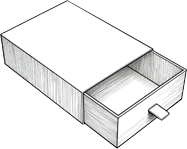



From online shopping deliveries to retail storage and warehouse packaging, cardboard boxes have become part of daily life. Whether you run a business or simply receive goods at home, it's easy to accumulate piles of empty boxes. But what should we do with these discarded carton packs?
Handling cardboard product display packaging, shipping cartons, and large cardboard boxes properly not only saves space but also reduces waste and even creates new value. Let's look at several practical and effective ways to deal with discarded cartons - from simple home solutions to sustainable business practices.
Reuse: The First and Easiest Option
Before throwing anything away, check if the carton can be reused. Many cardboard boxes are still in good shape after their first use.
For households:
Storage: Reuse sturdy boxes to store seasonal clothes, toys, or books.
Moving: Keep a few large boxes for packing during relocation.
DIY projects: Turn smaller cartons into drawer organizers or creative crafts for kids.
For businesses:
Internal logistics: Use reusable cartons for warehouse transfers or short-distance shipments.
Display purposes: With a bit of creativity, you can turn cartons into cardboard product displays or folding cardboard display stands for temporary promotions.
Reusing is cost-free, immediate, and environmentally friendly - the most direct way to extend a box's life.
Recycling: Giving Cardboard a Second Life
When boxes are too damaged to reuse, recycling is the next best step. Cardboard is one of the most recyclable materials available - and the recycling rate can reach over 85% in many regions.
How to recycle properly:
1. Remove tape and labels – Adhesive residue affects fiber quality.
2. Flatten boxes – Saves space and makes collection easier.
3. Keep them dry – Wet cardboard cannot be recycled efficiently.
4. Sort by type – Separate corrugated cardboard from thin paperboard.
Where to recycle:
Local recycling stations: Most communities accept cardboard for free.
Supermarkets or logistics hubs: They often collect cartons from deliveries.
Professional recyclers: Businesses producing large amounts of packaging waste should sign recycling contracts for regular pickup.
Recycled cardboard can be turned into new packaging, cardboard display stands, or corrugated cardboard displays, reducing demand for virgin materials.
Upcycling: Turning Waste into Something Useful
Upcycling is different from traditional recycling - instead of breaking materials down, you creatively repurpose them. Here are a few smart ideas:
Home furniture: Sturdy large cardboard boxes can be used to build lightweight shelves or temporary tables.
Retail decorations: Many stores use cardboard display stands made from recycled materials to highlight eco-friendly branding.
Kids' projects: Teachers and parents can use carton packs for classroom crafts or art displays.
Upcycling not only reduces waste but also encourages creativity and public awareness of sustainability.
Composting: A Natural Breakdown Solution
Few people realize that untreated cardboard is compostable. If you have a garden or access to a community composting program, cardboard can serve as a carbon-rich "brown" material.
How to do it:
1. Remove plastic tape or glossy coatings.
2. Tear boxes into small pieces to help them decompose faster.
3. Mix with food waste or yard waste.
Within weeks, cardboard breaks down naturally, turning into nutrient-rich soil. This method works best for uncoated cardboard boxes or thin cardboard display units without ink-heavy prints.
Donation and Return Programs
Some businesses and logistics companies now encourage customers to return boxes for reuse or recycling.
For example:
E-commerce companies may offer pickup services for used packaging.
Retail stores sometimes collect clean cartons from customers to reuse for new shipments.
Community centers or schools may accept large cardboard boxes for art or event projects.
These programs reduce waste while fostering a shared sense of environmental responsibility.
Industrial Reprocessing: When Waste Becomes Resource
At an industrial level, discarded cartons are often compressed into bales and sent to paper mills. There, they're turned back into pulp to make:
New shipping cartons
Cardboard display stands for retail
Corrugated cardboard displays for promotional use
This process consumes 25% less energy and 50% less water compared to producing cardboard from virgin fiber. Companies that handle large packaging volumes should build partnerships with certified recycling processors to ensure efficiency and traceability.
Responsible Disposal: What Not to Do
While cardboard is biodegradable, improper disposal can cause pollution. Avoid:
Leaving boxes outdoors (they get wet and unrecyclable)
Burning them (releases harmful chemicals from ink or coatings)
Mixing them with general waste (reduces recycling efficiency)
A responsible disposal process keeps materials clean, sorted, and ready for recovery.
Why Businesses Should Care
For companies using cardboard product displays or point-of-sale packaging, dealing with discarded cartons effectively is not only ethical - it's profitable.
Cost savings: Reusing or recycling boxes cuts waste disposal fees.
Sustainability branding: Consumers prefer brands that act responsibly.
Regulatory compliance: Many regions now require traceable waste management systems.
Businesses that handle large cardboard boxes efficiently demonstrate professionalism and environmental commitment - two factors that influence purchasing decisions.
Conclusion
Discarded carton packs may look like waste, but they hold hidden value. Whether reused, recycled, upcycled, composted, or returned, every box can have a second life if handled properly.
By taking small yet consistent steps, individuals and companies can transform ordinary cardboard boxes into a part of a sustainable cycle - supporting both the planet and their bottom line.