









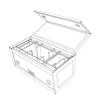



Custom packaging boxes are ubiquitous in retail, logistics, and branding. They have evolved from being just protective covers to strategic tools for brand enhancement and cost optimization. This article will explore the key considerations when choosing custom packaging boxes, highlighting the importance of understanding product characteristics, material selection, cost analysis, custom design, supplier selection, production process, and current trends.
Understanding Product Characteristics and Requirements
Product Specifications
Evaluating product dimensions, weight, and fragility is crucial when considering custom packaging. Different products, such as perishable items, electronics, and luxury goods, demand specific packaging features. Understanding these specifications ensures that the packaging provides optimal protection during shipping and storage.
Tailored Solutions
Custom packaging that fits the unique requirements of each product is essential. Tailored solutions not only protect the product but also enhance the overall consumer experience. Considerations for ensuring optimal protection include the type of material used, the design of the box, and any additional protective features such as cushioning or padding.
Material Selection and Quality Considerations
Overview of Materials
Various materials are commonly used in packaging, including corrugated cardboard, paperboard, and gray board. Each material has its own set of properties and benefits, making it suitable for different types of products.
Material Properties
When selecting materials, factors such as durability, cushioning ability, cost, and environmental impact must be evaluated. Durability ensures that the packaging can withstand the rigors of shipping and handling, while cushioning ability protects the product from damage. Cost is a significant factor, especially for businesses looking to optimize their expenses. Environmental impact is increasingly important as consumers and businesses alike prioritize sustainability.
Sustainability
Using eco-friendly materials, such as recycled or FSC-certified options, aligns with modern consumer expectations and brand values. Sustainable materials not only reduce the environmental footprint but also enhance the brand's image as environmentally conscious.
Quality Assurance
Ensuring high material quality and safety during transit is crucial. Standards and certifications play a vital role in maintaining product quality. These certifications provide assurance that the materials meet rigorous quality and safety standards.
Cost and Budget Analysis
Economies of Scale
Wholesale purchasing reduces per-unit cost and benefits high-volume operations. This approach allows businesses to save on costs while ensuring a consistent supply of packaging materials.
Total Cost Considerations
Total cost considerations include not only the unit cost but also additional factors like shipping, storage, and handling. These factors can significantly impact the overall cost of using custom packaging.
Return on Investment (ROI)
Investing in quality custom packaging can result in long-term savings and enhanced brand value. High-quality packaging can reduce product damage, improve operational efficiency, and enhance the consumer experience, leading to increased sales and customer loyalty.
Budget vs. Quality Trade-Off
Balancing affordability with the need for high-quality, protective packaging is essential. Strategies for achieving this balance include negotiating with suppliers, opting for sustainable materials, and investing in durable designs that reduce the need for frequent replacements.
Custom Design and Brand Image
Brand Consistency
Custom packaging boxes serve as a physical extension of a brand's identity. Incorporating brand logos, colors, and messaging consistently ensures brand recognition and reinforces brand identity.
Creative and Functional Design
Design strategies that enhance the unboxing experience and add value to the product are crucial. Factors like print quality, finishes, and special design elements (e.g., embossing, UV coating) contribute to a premium feel and enhance the overall consumer experience.
Visual Impact
A well-designed package can capture consumer attention and differentiate a product from competitors. Visual appeal plays a significant role in influencing consumer purchasing decisions.
Supplier Selection and Partnership
Evaluating Supplier Credentials
Choosing reliable suppliers with proven expertise in custom packaging is crucial. Criteria for selection include supplier experience, quality control, and production capacity.
Customization Capabilities
Assessing the supplier's ability to meet specific design and material requirements is essential. Suppliers should be able to provide customization options that align with the brand's unique needs.
After-Sales Support and Communication
The availability of technical support, return policies, and ongoing collaboration is important. After-sales support ensures that any issues with the packaging can be resolved promptly.
Long-Term Partnership
Establishing stable relationships with a few trusted suppliers ensures consistency and reliability. Long-term partnerships can lead to better negotiation terms and a more streamlined production process.
Production Process and Quality Control
Prototyping
Creating and testing prototypes is crucial for validating design and material performance. Gathering feedback and refining the design before mass production ensures that the final product meets the desired standards.
Manufacturing Techniques
Modern production technologies, such as digital printing and automated cutting, enhance precision and efficiency. These technologies ensure high-quality output and reduce production time.
Quality Assurance Measures
Ensuring each unit meets rigorous standards for durability and visual appeal is crucial. Inspections, testing, and certifications play a vital role in maintaining product quality.
Design Considerations for Custom Packaging Boxes
Structural Design
Key aspects of structural design include fold lines, seams, and reinforcements that ensure strength and stability. These elements contribute to the overall structural integrity of the packaging.
Dimensional Accuracy
Precise dimensions are important to prevent excess space and minimize material usage. Accurate dimensions ensure that the packaging fits the product perfectly, reducing waste and enhancing the consumer experience.
Aesthetics and Print Quality
Achieving high-resolution graphics and vibrant, durable printing is crucial. High-quality print enhances the visual appeal of the packaging and reinforces the brand's image.
User-Friendly Assembly
Designing packaging that is easy for end-users to assemble and use reduces labor and operational challenges. User-friendly design enhances the overall consumer experience.
Innovative Features
Incorporating unique design elements that enhance the overall unboxing experience and set the product apart is essential. Innovative features can differentiate the product in a crowded market.
Advantages and Disadvantages of Custom Packaging for Small Businesses
Advantages
- Cost Savings: Bulk ordering reduces costs per unit, enabling small businesses to compete with larger players.
- Brand Differentiation: Custom designs help establish a unique market identity and enhance brand recall.
- Operational Efficiency: Consistent, high-quality packaging streamlines inventory management and reduces product damage.
Disadvantages
- Upfront Costs: Initial investment in custom packaging may be higher, posing a challenge for cash-strapped businesses.
- Minimum Order Quantities: Small businesses may face constraints if suppliers require large volume orders.
- Customization Complexity: Balancing customization with cost-efficiency can be challenging, requiring specialized expertise.
Conclusion
Custom packaging boxes are essential not just for protecting products but also for enhancing brand image and operational efficiency. Understanding product requirements, material selection, cost efficiency, custom design, supplier partnership, production quality, design considerations, pros and cons for small businesses, and current trends are critical factors to consider.
To elevate your brand and transform your business, evaluate your packaging needs and explore custom solutions tailored to your specific requirements. Contact us today for a free consultation on custom packaging solutions that can take your brand to new heights. Download our comprehensive packaging ROI calculator to see how custom boxes can drive significant returns for your business.