





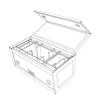



Understanding the Pop-Up Concept
Pop-up stores are short-term retail environments designed to create immediate impact. Unlike permanent stores, they thrive on the element of surprise and exclusivity. A well-planned pop-up store design is not just about selling products-it is about staging an experience. Brands use them to test new markets, introduce collections, or strengthen customer engagement through immersive storytelling.
The beauty of a retail pop-up is its agility: a store can appear in a busy shopping district, an airport terminal, or even an art gallery, instantly transforming the space into a retail destination.
Why Pop-Up Stores Matter in Modern Retail
In an era of digital-first shopping, consumers crave physical experiences that e-commerce cannot deliver. Pop-up stores bridge this gap by blending retail with entertainment and lifestyle. They allow brands to experiment with temporary store formats without committing to long leases or expensive build-outs.
More importantly, a retail pop-up often attracts attention from media and influencers, amplifying brand visibility beyond its physical footprint. For emerging businesses, it is a cost-effective way to generate buzz; for established brands, it offers a tool for product launches and seasonal activations.

Choosing the Right Location for Maximum Impact
The success of a pop-up is heavily influenced by location. A pop-up store design in a high-footfall area guarantees visibility, but the chosen site should also align with the target audience. For example:
- Shopping malls: Perfect for mass-market brands introducing seasonal products.
- Cultural districts: Ideal for experiential retail pop-ups that emphasize art, design, or lifestyle.
- Transportation hubs: Airports and train stations capture high-volume travelers who may purchase on impulse.
- Partnership venues: A fashion label may collaborate with a café, blending hospitality with retail.
Good location scouting also considers logistical elements such as accessibility, utilities, and storage. Even the most creative design will
underperform if the space cannot support retail operations.
Strategic Design Principles for Pop-Up Stores
Design is the heart of any retail pop-up. The layout, lighting, and flow must create a memorable customer journey while maximizing sales potential. Key principles include:
- Simplicity with impact: Space is often limited, so bold visual storytelling works better than cluttered displays.
- Modularity: Use fixtures that can be reconfigured, allowing flexibility for future events.
- Immersive branding: Walls, shelves, and even flooring can serve as branding surfaces. Customers should feel instantly connected to the brand upon entering.
- Interactive elements: Digital screens, VR zones, or sampling stations elevate the store from simple retail to experiential retail.
A thoughtful pop-up store design balances functionality with emotional engagement, encouraging visitors to share the experience on social media.

Commonly Used Retail Store Layouts
Even though pop-ups are temporary, they benefit from established retail layout strategies:
- Grid layout: Efficient for high-volume sales, suitable for snacks or beverages.
- Loop layout (racetrack): Guides customers through a planned journey, ensuring exposure to every product.
- Free-flow layout: Encourages exploration, often used in fashion and lifestyle pop-ups.
- Boutique layout: Focuses on curated storytelling, ideal for premium or limited-edition products.
By aligning layout with objectives-be it sales, brand awareness, or engagement-a pop-up store becomes both practical and inspiring.
Mind the Decompression Zone
The decompression zone is the area immediately after the entrance. In permanent retail, this space is critical because it sets the first impression. The same applies to pop-ups, though often overlooked. A cluttered entrance can overwhelm visitors, while a clean and inviting decompression zone encourages them to slow down and absorb the environment. Consider adding soft lighting, welcoming visuals, or a hero product display here. It not only improves flow but also primes customers for the experience ahead.

Practical Tips for a Pop-Up Store
Bringing a pop-up concept to life involves both creativity and practicality. Here are tested strategies:
- Set clear goals: Decide whether the focus is on direct sales, data collection, or brand exposure.
- Leverage social media: Design Instagrammable corners-murals, props, or interactive mirrors encourage organic sharing.
- Optimize staffing: Friendly, well-trained staff can make or break the customer experience in a temporary store.
- Use multi-sensory elements: Music, scent, and even textures add to the immersive impact.
- Track performance: Use QR codes, mobile checkout, or in-store surveys to capture data for future improvements.
- Plan the exit strategy: Since the store is temporary, logistics of dismantling and repurposing materials should be considered from the start.
When executed correctly, a retail pop-up is more than just a sales channel-it becomes a storytelling platform and a brand amplifier.
Final Thoughts
A pop-up store design is an evolving blend of retail, hospitality, and entertainment. It is not about replicating a permanent store in miniature, but about creating something fresh, surprising, and shareable. By choosing the right location, applying smart design principles, and considering customer psychology, brands can transform a temporary store into a long-lasting impression.
Explore WOW Packaging design services and see how we can help your pop-up store stand out from the crowd.