









Wine is not only a beverage but also a work of art and a cultural symbol. In a wine production facility, effective wine display can enhance the overall aesthetic appeal, educate visitors about different wine varieties, and potentially boost sales. As a professional wine display supplier, I have accumulated rich experience in this field and would like to share some insights on how to display wine in a wine production facility.
Understanding the Purpose of Wine Display
Before deciding on the display methods, it's crucial to understand the purpose of the wine display in the production facility. Is it mainly for educational purposes, to showcase the winery's history and production process? Or is it for promotional reasons, aiming to attract more customers to purchase the wines? Maybe it's a combination of both.
If the goal is education, the display should focus on providing detailed information about the wine, such as the grape varieties, the terroir, the fermentation process, and the aging methods. On the other hand, if the emphasis is on promotion, the display should be eye - catching and highlight the unique selling points of the wines.
Choosing the Right Location
In a wine production facility, the location of the wine display plays a significant role in its effectiveness. Areas with high foot traffic, such as near the entrance, the tasting room, or the exit, are ideal locations. These spots can ensure that a large number of visitors will see the wine display.
For example, placing wine displays near the entrance can immediately catch the attention of visitors and set the tone for their visit. Displays in the tasting room can enhance the tasting experience by allowing visitors to see the wines they are about to taste up close. And displays near the exit can serve as a reminder for visitors to make a purchase before leaving.
Selecting Appropriate Display Units
There is a wide range of display units available for wine, and the choice depends on various factors such as the available space, the number of wines to be displayed, and the overall style of the production facility.
Shelving Units
Shelving units are a classic and practical option for wine display. They come in different sizes and designs, from simple wooden shelves to more elaborate metal or glass structures. For a large - scale wine production facility with a vast collection of wines, multi - tiered shelving units can maximize the use of vertical space and display a large number of bottles neatly.


The 4 Shelves Bottle Display is a great example. It provides a stable and organized platform for displaying wine bottles. The four shelves offer enough space to showcase different types of wines, and its design can be easily integrated into various interior styles of the production facility.
Wall - Mounted Displays
Wall - mounted displays are an excellent choice for saving floor space, especially in smaller production facilities. They can add a decorative element to the walls and create a unique visual effect. Wine racks can be mounted on the walls horizontally or vertically, depending on the available wall space and the desired look.
Floor Displays
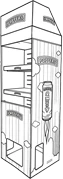
Floor displays are more suitable for creating a focal point in the production facility. They can be large and eye - catching, often used to display special or limited - edition wines. The Four Tiers Cardboard Point Of Sale Merchandising is a cost - effective and customizable option. It can be designed with attractive graphics and colors to draw the attention of visitors.
Considering the Visual Appeal
The visual appeal of the wine display is essential to attract and engage visitors. Here are some tips to enhance the visual impact:
Color Coordination
Use color to create a harmonious and attractive display. The colors of the display units, the labels on the wine bottles, and the background should complement each other. For example, if the wine labels have a lot of warm colors, such as red and gold, the display unit can be in a neutral color like black or white to make the labels stand out. The Pantone Color Printing Product Display allows for precise color matching, which can be used to create a visually stunning display that aligns with the brand image of the winery.
Grouping and Arrangement
Group the wines in a logical and visually appealing way. You can group them by grape variety, by region, by price range, or by style. For instance, all the Chardonnay wines can be placed together, and within that group, further separate them into different sub - categories based on other factors. This not only makes it easier for visitors to find what they are looking for but also creates an organized and aesthetically pleasing display.
Lighting
Proper lighting can significantly enhance the look of the wine display. Soft, warm lighting can create a cozy and inviting atmosphere, while bright, focused lighting can highlight the details of the wine bottles and labels. Use a combination of ambient lighting and accent lighting to achieve the best effect. For example, install LED spotlights above the wine bottles to emphasize their shape and color.
Providing Informative Signage
In addition to the visual display, informative signage is crucial for educating visitors about the wines. The signage should include basic information such as the name of the wine, the grape variety, the vintage, the alcohol content, and the tasting notes. It can also provide some background information about the winery, the production process, and the food pairings.
Use clear and easy - to - read fonts on the signage, and make sure the text is not too crowded. You can also use different colors and styles of signage to distinguish between different types of information. For example, use bold and large fonts for the wine names and smaller fonts for the less important details.
Incorporating Interactive Elements
To make the wine display more engaging, consider incorporating some interactive elements. This can include touch - screen panels that provide in - depth information about the wines, virtual reality experiences that allow visitors to explore the vineyards, or wine - tasting stations where visitors can sample different wines while learning about them.
Interactive elements can not only enhance the visitors' experience but also increase their interest and knowledge about the wines, which may lead to more sales.
Maintenance of the Wine Display
Regular maintenance of the wine display is essential to keep it looking its best. Dust the display units and the wine bottles regularly to prevent the accumulation of dirt. Check the stability of the shelving units and the wall - mounted displays to ensure the safety of the wines. Replace any damaged or worn - out parts of the display units promptly.
If the display includes lighting fixtures, check the bulbs regularly and replace them when they burn out. Also, make sure the signage is clean and in good condition, and update the information on the signage as needed.
Conclusion
Effective wine display in a wine production facility can be achieved by carefully considering the purpose, location, display units, visual appeal, signage, interactive elements, and maintenance. As a wine display supplier, I am committed to providing high - quality display solutions that meet the specific needs of wineries.
Whether you are a small - scale family - owned winery or a large - scale commercial production facility, I can offer customized wine display options to enhance your wine presentation. If you are interested in improving your wine display in your production facility, I invite you to contact me for procurement and further discussions. I look forward to working with you to create a wine display that is both beautiful and functional.
References
- Spurrier, S. (2004). Decanter's Wine Pocket Guide. Penguin Books.
- Robinson, J. (2006). The Oxford Companion to Wine. Oxford University Press.
- Jackson, H. W. (2008). Wine Science: Principles and Applications. Academic Press.