












In the dynamic world of retail and commercial advertising, power displays play a pivotal role in attracting customers and driving sales. As a leading power display supplier, we are constantly exploring various factors that can impact the performance and functionality of our products. One such crucial aspect is electromagnetic interference (EMI).
Electromagnetic interference refers to the disruption that occurs when an electromagnetic field affects an electrical circuit by producing unwanted signals, which can degrade the performance of the device. This phenomenon is ubiquitous in our modern environment, with sources of EMI ranging from everyday household appliances to industrial machinery.
When it comes to power displays, which often rely on electronic components such as LEDs, microcontrollers, and power supply units, the potential for EMI to cause problems cannot be overlooked. For instance, interference from nearby electrical equipment could cause flickers in LED displays, disrupt the signal transmission in wirelessly connected displays, or even lead to malfunctions in display controllers.
To understand the extent to which the power display is affected by electromagnetic interference, it is essential to examine the different types of EMI sources. One common source is radio - frequency interference (RFI), which is emitted by radio and television transmitters, mobile phones, and Wi - Fi routers. These devices generate electromagnetic waves in the radio - frequency spectrum, and if a power display is located in close proximity, these waves can couple into the display's electrical circuits and cause interference.
Another significant source is conducted interference, which occurs when electrical noise is transferred through power lines or signal cables. For example, if a power display is connected to the same electrical circuit as a high - power motor or a switching power supply, the electrical noise generated by these devices can be conducted into the display's power supply, leading to instability and performance degradation.
In addition to external sources, internal EMI can also be a problem. Power displays often have multiple electronic components packed closely together. The interactions between these components, such as the electromagnetic fields generated by transformers and the switching noise from integrated circuits, can create internal interference that affects the overall performance of the display.
To assess the impact of EMI on power displays, we conduct a series of comprehensive tests in our state - of - the - art laboratory. We use specialized equipment to simulate different types of electromagnetic environments, including high - intensity RFI and conducted interference. During these tests, we monitor the performance of our power displays closely, looking for any signs of degradation such as changes in brightness, color accuracy, or signal integrity.
The results of our tests have shown that while power displays are generally designed to be resistant to a certain level of EMI, excessive interference can still have a noticeable impact. For example, in some cases of high - intensity RFI, we observed intermittent flickering in LED displays, which could significantly reduce their visual appeal and effectiveness in attracting customers.
To mitigate the effects of electromagnetic interference, we have implemented several design strategies in our power displays. One of the key approaches is the use of shielding materials. We incorporate conductive coatings and metal enclosures in the design of our displays to block external electromagnetic fields from entering the sensitive electronic components. This helps to create a Faraday cage effect, which protects the internal circuitry from EMI.
Another important strategy is the use of proper grounding techniques. By providing a low - impedance path for electrical currents, grounding helps to divert unwanted electrical noise away from the display's circuits. We ensure that all our power displays are properly grounded, both during the manufacturing process and when they are installed in the retail environment.
We also pay close attention to the layout and placement of electronic components within the display. By carefully arranging the components and separating noisy components from sensitive ones, we can minimize the internal electromagnetic interference. For example, we keep power supply units away from signal - processing circuits to reduce the risk of conducted interference.
As a power display supplier, we understand the importance of delivering high - quality products that are reliable and perform well in various environments. Our commitment to combating EMI is just one aspect of our overall quality control and product development process.
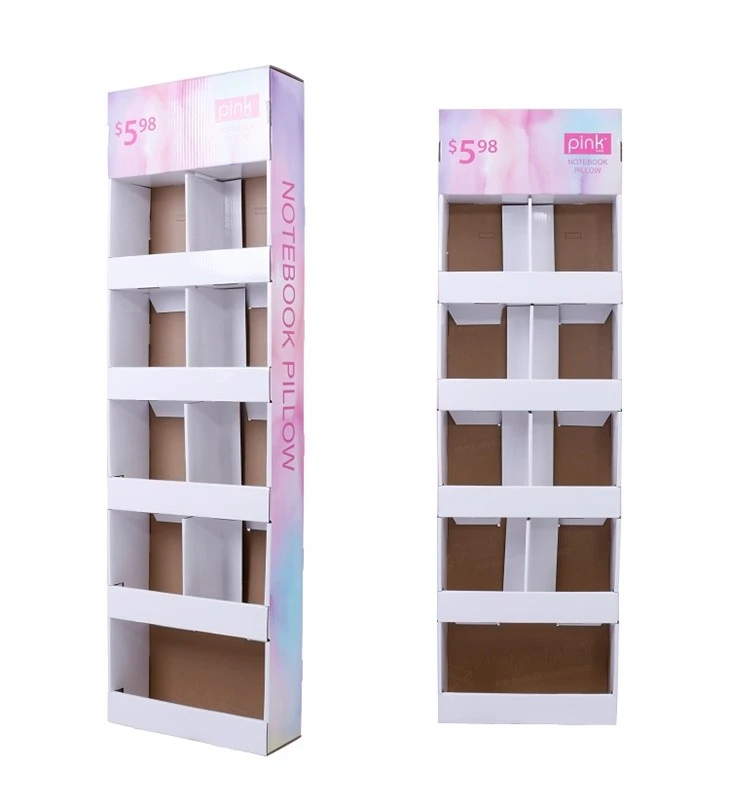
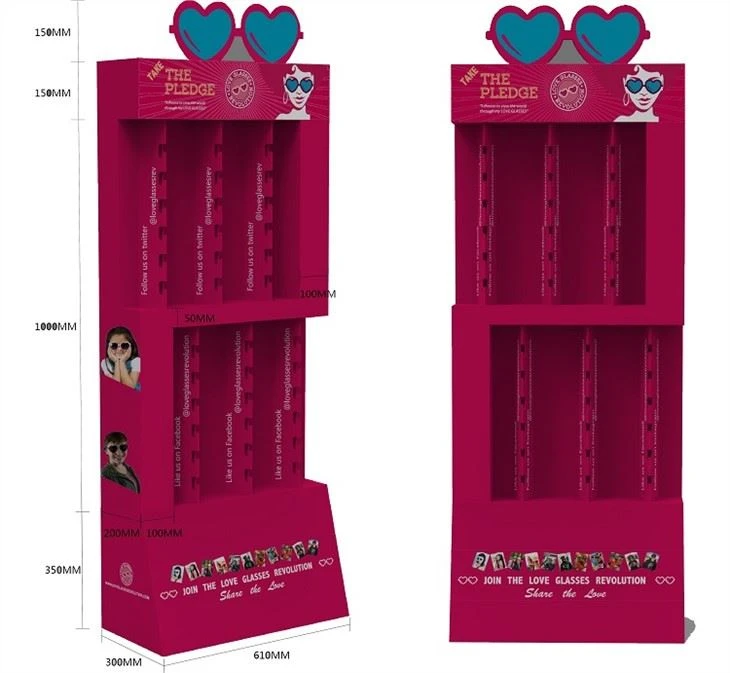
In addition to our own power displays, we also offer a wide range of related products that can enhance the retail experience. For example, our POP Corrugated Hanging Displays Retail are a great way to attract customers' attention from above. These displays are made of corrugated materials, which are not only lightweight but also durable and customizable.
Our Retail Cardboard Sidekick Display is another popular option. Made of cardboard, it is an eco - friendly and cost - effective solution for promoting products at the end - cap of aisles. The design with hooks makes it easy to display small items such as batteries.
If you are looking for a more eye - catching display, our Paperboard Power Wing Display is an excellent choice. The unique wing - shaped design of this display can draw customers from a distance, increasing the visibility of your products.
We believe that by providing high - quality displays that are resistant to electromagnetic interference and offering a diverse range of related products, we can help our customers create a more effective and engaging retail environment. If you are interested in our power displays or any of our other products, we encourage you to contact us. We are ready to discuss your specific needs, provide detailed product information, and offer professional advice to help you make the best choice for your business. Whether you are a small boutique or a large - scale supermarket, we have the right solutions for you.
In conclusion, while electromagnetic interference can pose a challenge to the performance of power displays, with proper design and engineering, we can minimize its impact. Our years of experience as a power display supplier, combined with our commitment to quality and innovation, enable us to offer products that are not only visually appealing but also reliable in the face of various environmental factors. We look forward to working with you to meet your display needs and drive the success of your retail business.
References
- [List of suppliers in the power display industry]. (Year). Publication name.
- Electromagnetic Compatibility Engineering Handbook. (Year). Author, Publisher.
- Retail Display Design Trends. (Year). Industry report publisher.