










Parents often step into toy aisles with a plan, but kids have a talent for reshaping that plan within minutes. Studies suggest that over one-third of toy purchases are unplanned, driven by impulse or by the persuasive power of children. For retailers, this presents both a challenge and an opportunity: how to design toy displays that appeal to children's excitement while reassuring parents about value and quality.
Here are five effective strategies to make your toy displays not only attention-grabbing but also profitable.
Design Displays that Speak to Kids and Adults Alike
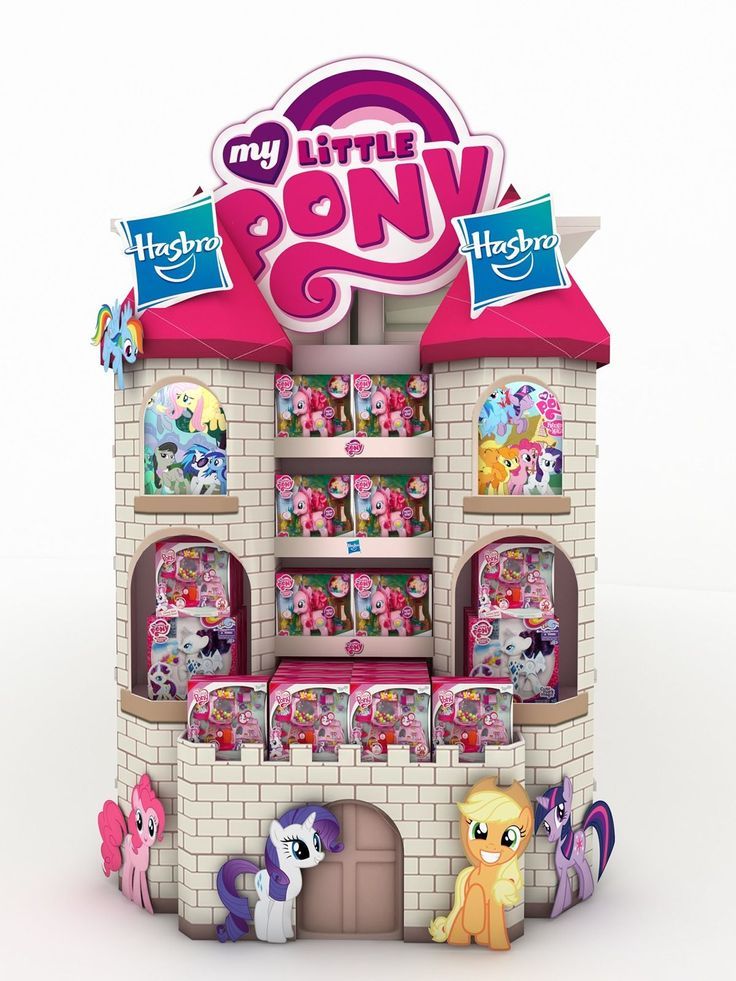
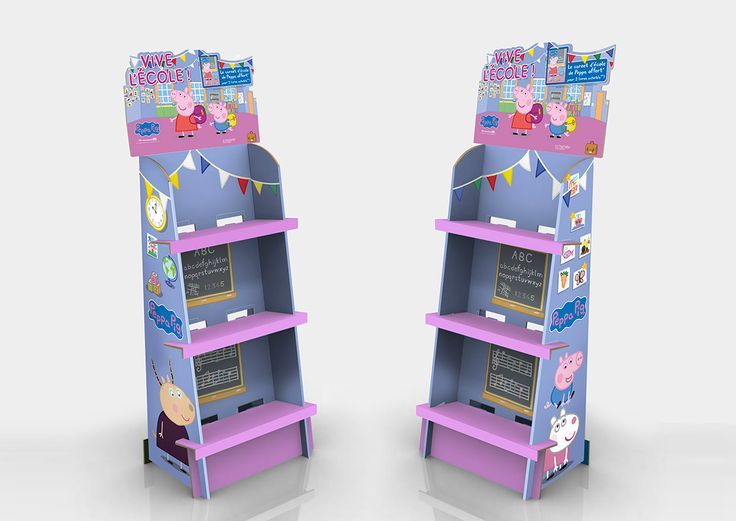
Children are drawn to fun visuals before they even know what the product does. Bright colors, interactive designs, and character themes can stop them in their tracks. A toy display stand that incorporates playful graphics or even cut-out shapes of animals, superheroes, or fantasy worlds instantly connects with young shoppers.
But catching a child's eye is just the first step. Parents make the final call, and they look for reassurance: safety labels, educational benefits, and price tags that make sense. Retailers can bridge this gap by adding clear product information panels on the display. For example, a cardboard stand showcasing building blocks can feature benefits like "STEM learning," "non-toxic materials," and "durable design" so parents feel confident in the purchase.
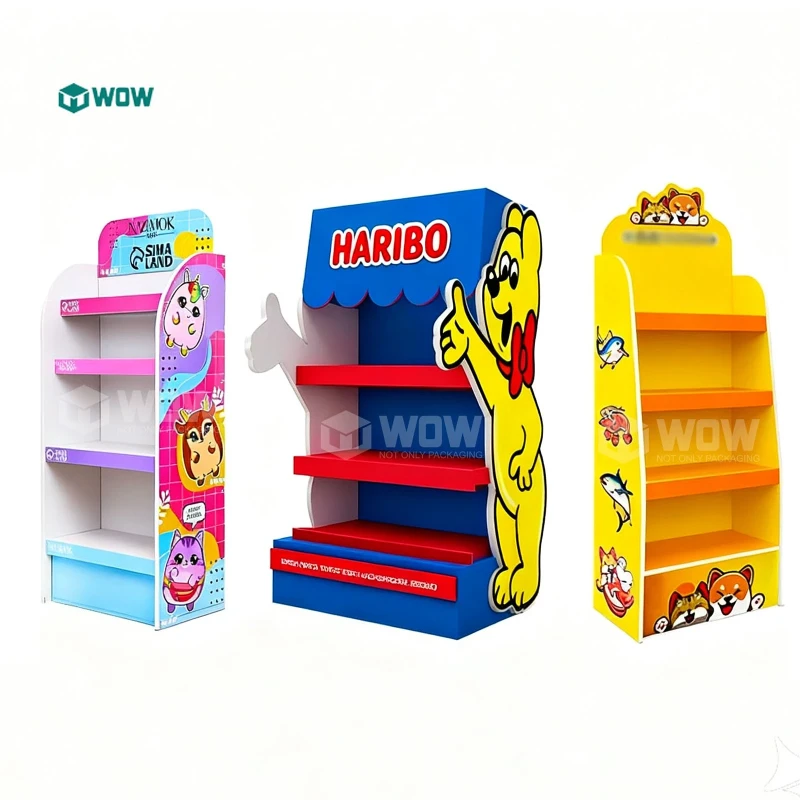
Use Display Stands to Create a Sense of Theatre
Shopping isn't only about buying-it's about the experience. Successful retailers often use what's called "retail theatre" to surprise and delight customers. For toys, this can be as simple as turning a cardboard display stand into a castle for princess dolls or a racetrack for model cars.
Innovative display racks can hold multiple items while also enhancing the story of the toys. For instance:
- A wooden crate-style stand makes plush animals look like they've just arrived from a magical zoo.
- A carousel-style rotating stand is perfect for pocket-money toys, encouraging kids to spin and explore.
By turning your toy stands into part of the play, you spark both curiosity and impulse purchases.
Place Displays Where Impulse Strikes Hardest
Toy displays shouldn't be tucked away. Placement plays a huge role in boosting sales. Research shows that nearly 40% of impulse purchases happen during the first quarter of the shopping trip. That means the front of your store is prime real estate for an engaging toy stand.
Placing toy dump bins near entrances filled with affordable collectibles, or positioning small toy displays near checkout counters, ensures maximum visibility. Parents may hesitate on big-ticket items, but low-cost toys at the register make for quick, low-risk add-ons.
Another tactic is cross-merchandising: positioning toy display racks next to complementary products. For example, a stand of action figures near a movie DVD section, or art supply toys next to stationery. These subtle cues encourage bundled purchases.
Tailor Price Points and Product Mix on Your Displays
The right display isn't just about looks-it's also about strategy. Who are your shoppers? Are they parents grabbing a quick after-school treat, or grandparents looking for a more premium gift?
Toy display stands can be arranged to reflect these needs. For instance:
- Lower-priced items (under \$10) can be placed at kid-height in bright, interactive displays.
- Mid-range educational toys can be showcased in structured stands with informative signage.
- Premium gifts like large building sets or collector dolls work best in standalone branded displays that convey exclusivity.
Testing different price points on your displays and tracking which tiers sell fastest allows you to refine your inventory for maximum profitability.
Train Staff to Leverage Displays for Upselling
Even the best toy display stand needs human interaction to unlock its full potential. Store staff can use displays as conversation starters-pointing out new arrivals, demonstrating features, or suggesting bundles.
For example, if a parent picks a puzzle from a toy display rack, staff can highlight a matching puzzle mat displayed nearby. Or if a child shows interest in a plush toy, staff can draw attention to the rotating display of miniature versions.
This personal touch transforms a display from a passive fixture into a dynamic sales tool.
Final Thoughts
Toy sales are driven by emotion, spontaneity, and family dynamics. A well-designed toy display stand taps into all three by capturing children's excitement, reassuring parents, and guiding impulse purchases. From colorful cardboard pop-up racks to wooden crates and rotating stands, the right displays can turn your store into a playground that sells.
By focusing on design appeal, smart placement, price strategy, and staff interaction, retailers can transform toy displays into profit engines-making every visit to the toy aisle a win for both kids and parents.
If you are looking for custom toy display stands that truly drive sales, contact us today. Our team will design tailored solutions to make your brand stand out in the retail market.