












The world of display design thrives on the delicate balance between artistic expression and commercial functionality. Modern designers continuously push boundaries, seeking fresh approaches that captivate audiences while achieving business objectives. This creative journey involves weaving together stories and emotions, leveraging cutting-edge technologies, reimagining spatial relationships, and mastering the subtle interplay of colors and lighting.
Sources of Creativity: The Interweaving of Stories and Emotions
Narrative-Driven Design Approaches
• Story-based conceptualization forms the foundation of memorable display experiences. Designers craft compelling narratives that guide viewers through carefully orchestrated journeys, creating emotional connections that transcend mere product presentation.
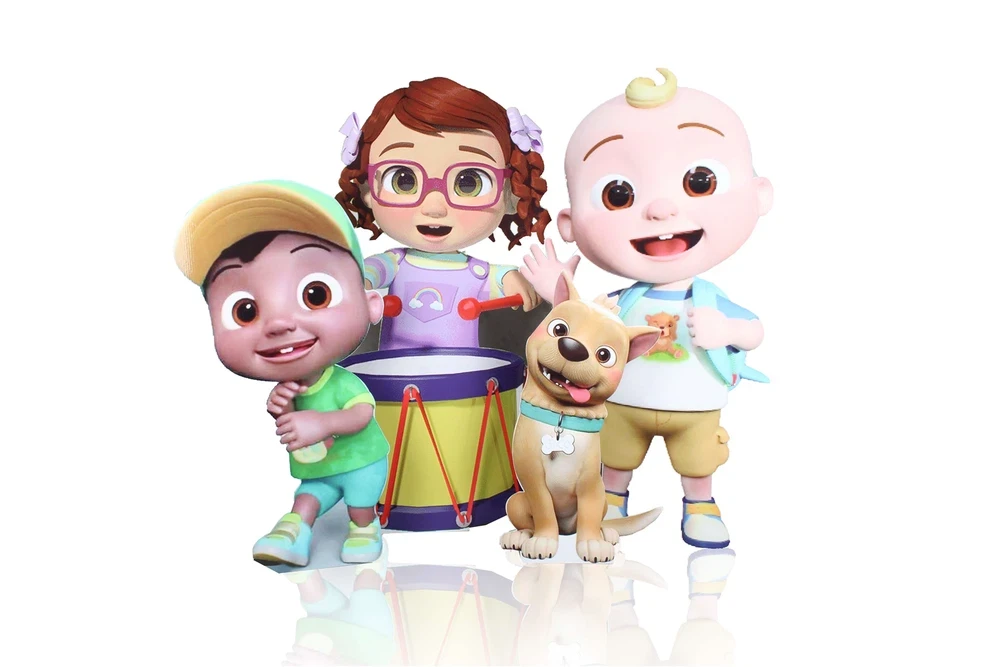
• Character development within displays helps establish relatable touchpoints. Whether showcasing lifestyle brands or technical products, incorporating human elements and personas makes abstract concepts tangible and accessible.
• Sequential storytelling transforms static displays into dynamic experiences. Progressive revelation of information mirrors natural learning processes, maintaining engagement while building understanding layer by layer.
• Cultural storytelling resonates deeply with target audiences by incorporating familiar symbols, traditions, and values. This approach particularly
benefits brands seeking to establish local connections in diverse markets.
Emotional Engagement Strategies
• Sensory activation extends beyond visual elements to include tactile, auditory, and even olfactory components. Multi-sensory experiences create stronger memory formation and deeper emotional impact.
• Nostalgic elements tap into shared memories and experiences, creating instant emotional connections. Vintage aesthetics, familiar materials, and childhood references often prove highly effective in establishing rapport.
• Aspirational messaging allows viewers to envision themselves within idealized scenarios. Lifestyle displays particularly benefit from this approach, showing products within desired contexts rather than clinical presentations.
• Social proof integration leverages human psychology by incorporating testimonials, user-generated content, and community elements that build trust and encourage participation.
Innovation Methods: Technology and Materials in Cardboard Display Stands
Digital Integration Innovations
• Interactive touch interfaces transform traditional cardboard retail display stands into engaging digital experiences. Embedded screens and sensors enable real-time interaction while maintaining cost-effectiveness and sustainability.
• Augmented reality applications overlay digital information onto physical displays, creating hybrid experiences that combine tangible interaction with virtual enhancement. QR codes and mobile apps extend display functionality beyond physical limitations.
• Smart lighting systems respond to environmental conditions and viewer presence, creating dynamic atmospheres that adapt throughout the day. LED integration into cardboard structures proves both energy-efficient and visually striking.
• IoT connectivity enables displays to collect usage data, monitor performance, and adjust content based on real-time analytics. This data-driven approach optimizes effectiveness while providing valuable customer insights.
Material Innovation and Sustainability
• Advanced cardboard engineering has revolutionized structural possibilities for cardboard exhibition stands. High-strength corrugated materials now support substantial weights while maintaining environmental benefits.
• Hybrid material combinations integrate cardboard with metals, plastics, and fabrics to achieve specific performance requirements. These combinations optimize cost, functionality, and aesthetic appeal.
• Recyclable component systems enable easy disassembly and material recovery. Modular designs allow components to be repurposed across multiple campaigns, reducing waste and operational costs.
• Bio-based coating technologies enhance durability and weather resistance without compromising recyclability. These innovations expand application possibilities for outdoor and long-term installations.
Manufacturing Process Innovations
• Digital cutting technologies enable precise customization and rapid prototyping. Laser cutting and die-cutting processes achieve intricate designs previously impossible with traditional manufacturing methods.
• Print-on-demand capabilities reduce inventory requirements while enabling mass customization. Variable data printing allows personalization at scale, creating unique experiences for different audiences.
• Flat-pack engineering optimizes shipping efficiency and storage requirements. Clever folding mechanisms enable complex three-dimensional structures to ship as flat packages, reducing logistics costs significantly.
• Quality assurance systems ensure consistent output quality across large production runs. Automated inspection and testing processes maintain standards while enabling scalable manufacturing.
Space Redesign: Considerations for Fear and Traffic Flow
Psychological Space Design
• Comfort zone creation addresses natural human hesitation around unfamiliar environments. Strategic use of familiar materials, appropriate scale relationships, and clear navigation cues reduce anxiety and encourage exploration.
• Social distance management incorporates understanding of personal space preferences and cultural norms. Thoughtful spacing prevents overcrowding while facilitating natural social interactions.
• Intimidation factor reduction makes displays approachable for diverse audiences. Avoiding overwhelming complexity or overly technical presentations ensures accessibility across different comfort levels.
• Progressive engagement zones allow gradual immersion into display content. Peripheral attractions draw initial attention, while deeper content rewards extended engagement without overwhelming casual browsers.
Traffic Flow Optimization
• Natural pathway creation follows intuitive movement patterns rather than forcing unnatural navigation. Understanding human circulation preferences results in more effective space utilization and better user experiences.
• Bottleneck prevention identifies and addresses potential congestion points before they impact visitor experience. Strategic placement of high-interest elements distributes crowds naturally throughout available space.
• Multi-directional accessibility accommodates various approach angles and movement patterns. Flexible design prevents dead-ends and awkward circulation, maintaining smooth traffic flow under varying conditions.
• Adaptive capacity planning considers peak usage scenarios while maintaining functionality during quiet periods. Scalable design elements adjust to accommodate different crowd densities effectively.
Integration with Cardboard Display Supplier Networks
• Modular system compatibility ensures seamless integration with existing infrastructure and future expansions. Standardized connection methods enable easy reconfiguration and component replacement.
• Installation efficiency streamlines setup processes through thoughtful design and clear instruction systems. Time-efficient installation reduces labor costs and minimizes disruption during deployment.
• Maintenance accessibility incorporates easy replacement and repair procedures. User-friendly maintenance protocols extend display lifespan while reducing ongoing operational requirements.
• Scalability planning accommodates growth and changing requirements over time. Flexible systems adapt to evolving needs without requiring complete replacement of existing components.
The Charm of Details: Color and Light-Shadow Games
Color Psychology and Application
• Emotional color mapping aligns color choices with desired emotional responses and brand associations. Understanding cultural color meanings ensures appropriate message delivery across diverse audiences.
• Contrast optimization balances visual impact with readability requirements. Strategic use of complementary colors creates focal points while maintaining overall harmony and professional appearance.
• Seasonal adaptation incorporates time-sensitive color preferences and associations. Flexible color systems enable displays to remain relevant throughout changing seasons and market conditions.
• Brand consistency maintenance ensures color applications reinforce rather than conflict with established brand identities. Coordinated color palettes strengthen recognition while allowing creative expression.
Lighting Design Innovation
• Dynamic lighting systems create temporal variations that maintain visual interest throughout extended viewing periods. Programmable sequences prevent monotony while highlighting different aspects over time.
• Shadow manipulation uses strategic light placement to create depth, mystery, and visual interest. Controlled shadows add dimensionality and drama without requiring complex structural elements.
• Color temperature variation influences mood and perception throughout different times and contexts. Adjustable lighting systems adapt to changing environmental conditions and usage patterns.
• Energy efficiency optimization balances visual impact with sustainability requirements. LED technology and smart controls minimize energy consumption while maximizing lighting effectiveness.
Detail Refinement Strategies
• Texture integration adds tactile interest and visual depth through strategic material selection and surface treatment. Varied textures create engaging experiences that encourage closer examination.
• Typography precision ensures clear communication while contributing to overall aesthetic appeal. Careful font selection and sizing optimization enhance both readability and visual integration.
• Joint and connection detailing maintains professional appearance through careful attention to assembly points and transitions. Clean connections between components reflect overall quality and attention to detail.
• Surface finish optimization protects materials while enhancing visual appeal. Appropriate coating and treatment selections balance durability requirements with aesthetic objectives.
Future Directions and Emerging Trends
The landscape of display design continues evolving rapidly, driven by technological advancement, changing consumer expectations, and environmental consciousness. Successful designers embrace these changes while maintaining focus on fundamental principles of effective communication and user experience.
Innovation in sustainable materials and manufacturing processes will likely accelerate, making environmentally responsible choices increasingly viable and cost-effective. Smart technology integration will become more seamless and intuitive, enabling sophisticated functionality without complexity barriers.
Understanding these trends while mastering fundamental design principles positions creative professionals to develop innovative solutions that serve both immediate objectives and long-term strategic goals. The future belongs to designers who can balance creativity with practicality, innovation with accessibility, and artistic expression with commercial effectiveness.