












In today's competitive retail world, catching a shopper's attention in the few seconds before they make a decision is both an art and a science. That's where POP displays-short for Point of Purchase displays-prove their worth.
Whether it's a floor displays stand in a supermarket, a Counter Display near checkout, or a themed cardboard pop up display for a seasonal promotion, POP displays turn browsing into buying. But beyond aesthetics, these displays have a deeper strategic purpose: they shape perception, increase visibility, and directly impact retail sales.
Key Types of Point of Purchase Displays
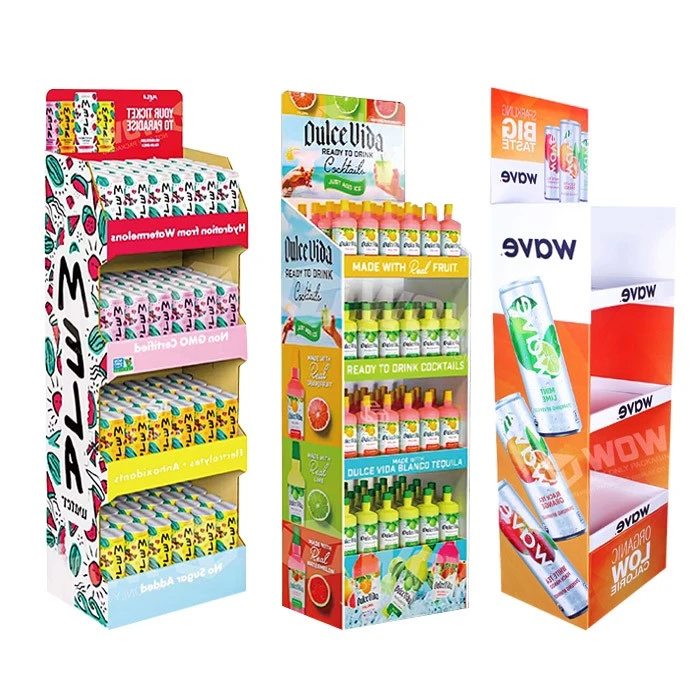
To understand the main purpose of POP displays, it helps to explore their diverse forms. Each type serves a unique role depending on the product category, retail space, and marketing goal.
|
Display Type |
Description |
Best Used For |
|
Floor Displays Stand |
Freestanding units placed in high-traffic areas,made from cardboard, metal, or acrylic. They hold multiple SKUs and provide strong branding surfaces. |
Beverages, snacks, and promotional products |
|
Counter Display |
Compact displays placed near checkout counters for maximum impulse visibility. |
Cosmetics, candies, small electronics |
|
Dump Bin |
Open-top containers or bins designed to hold bulk, low-cost items for quick grabs. |
Toys, packaged food,promotional merchandise |
|
Hook Display |
Vertical pegboard-style stands using hooks to hang packaged products. |
Accessories, tools, retail electronics |
|
Pallet Display |
Full-pallet structures shipped pre-loaded with products for instant placement. |
Bulk items, beverages, seasonal promotions |
|
Sidekick Display |
Slim vertical displays mounted to endcaps or shelves to save space while boosting exposure. |
Snacks, magazines,convenience goods |
Each format fulfills a distinct retail goal-whether increasing accessibility, highlighting promotions, or enhancing visual appeal. For example, retail cardboard displays are cost-effective, lightweight, and ideal for short-term promotions, while pallet displays deliver instant impact for high-volume retail environments.
Benefits of Effective POP Displays
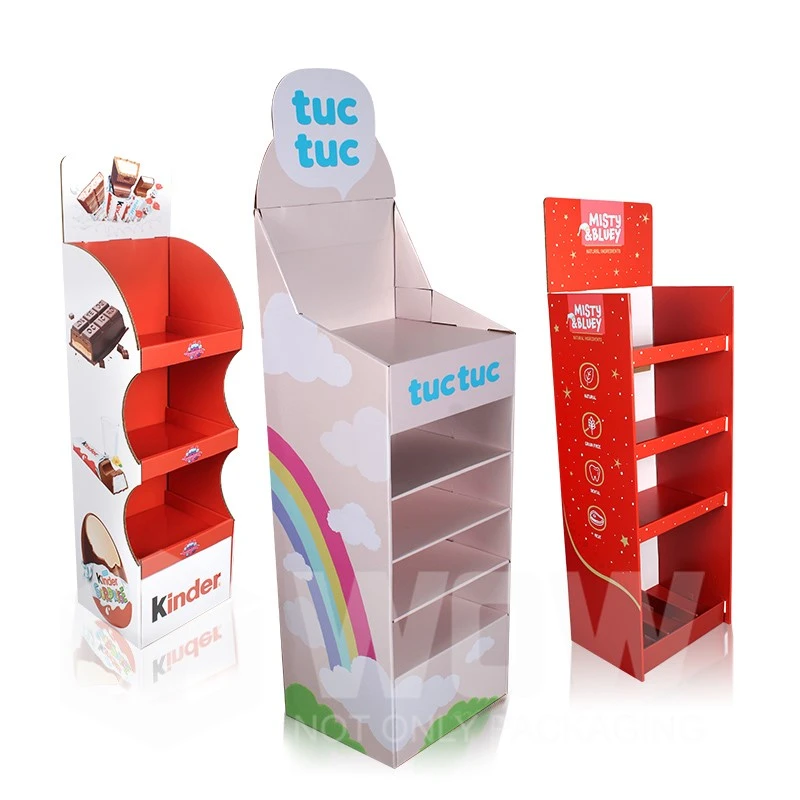
A well-designed POP display is not merely a marketing accessory; it is a high-performing sales driver. Below are the core benefits that explain why global brands-from Pepsi to L'Oréal-continue to invest heavily in POP marketing.
Enhanced Product Visibility
Studies by the Point of Purchase Advertising International (POPAI) show that over 70% of buying decisions are made inside the store. Well-placed POP displays ensure your product stands out in the shopper's field of vision, even if it's not on their shopping list.
A vibrant cardboard pop up display at the store entrance or an eye-catching Sidekick Display at aisle ends can increase unplanned purchases by up to 45%.
Emotional Connection and Brand Storytelling
Modern consumers buy stories, not just products. Retail display cases and retail cardboard displays serve as a storytelling canvas-communicating brand values through colors, graphics, and structure.
For example:
A minimalist floor displays stand with clean lines conveys premium sophistication.
A playful Dump Bin with bright prints suggests affordability and fun.
A recyclable cardboard pop up display signals sustainability-a growing consumer priority.
Improved Sales Conversion
The physical layout of POP displays is designed to remove barriers to purchase. By making products easy to access, touch, and understand, they accelerate conversions.
A Counter Display filled with small impulse items like mints or lip balms can boost basket value by up to 30%-a figure supported by retail analytics from Shop! Association.
Cost-Effectiveness and Flexibility
Temporary cardboard pop up displays are budget-friendly and quick to install. Compared to permanent fixtures, they allow for seasonal rebranding or promotional changes without major costs.
Retailers appreciate corrugated floor displays because they ship flat, assemble quickly, and are easy to recycle-offering both marketing flexibility and operational efficiency.
Sustainability and Modern Appeal
Today's consumers expect eco-conscious retail practices. Cardboard-based POP displays fulfill that demand with recyclable materials, soy-based inks, and reduced carbon footprints.
In a recent McKinsey survey, 66% of shoppers said they are more likely to purchase from brands using sustainable packaging and displays-proving that environmental responsibility is now a sales asset, not just a moral choice.
The Main Purpose of POP Display
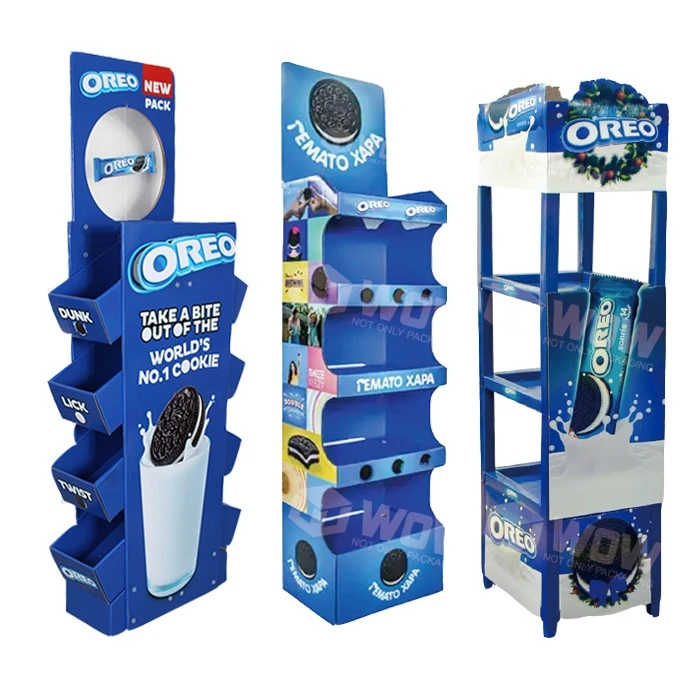
At its core, the purpose of a POP display is to influence shopper behavior at the most critical moment-the point of purchase. It serves as a marketing bridge between brand and consumer, blending visual impact, emotional appeal, and functional convenience.
- Increasing visibility through strategic placement,
- Enhancing engagement with creative storytelling,
- Encouraging impulse purchases, and
- Promoting sustainable retailing,
POP displays help brands turn shelf presence into sales performance.
Whether it's a Pallet Display for bulk beverages or a Counter Display for cosmetics, the right design can elevate brand recall, drive conversions, and strengthen retailer partnerships-all within a few seconds of shopper attention.
FAQ
1. What is the difference between POP and POS displays?
POP displays (Point of Purchase) can be placed anywhere in the store, while POS displays (Point of Sale) are located near checkout counters. Both aim to influence buying decisions, but POP has broader placement flexibility.
2. How long does a cardboard POP display last?
A standard cardboard pop up display can last from 4 to 12 weeks depending on traffic, weight capacity, and environment. For longer campaigns, corrugated reinforced bases are recommended.
3. Are cardboard POP displays eco-friendly?
Yes. Retail cardboard displays are made from recyclable corrugated paper, minimizing environmental impact while maintaining durability and print quality.
4. Can POP displays be customized for different retail chains?
Absolutely. Brands can design floor displays stands, Dump Bins, or Sidekick Displays in varying sizes and layouts to match the retailer's space and branding guidelines.
5. What's the average cost of producing a POP display?
Pricing varies by material and complexity. Temporary cardboard pop up displays are the most economical-often 60–70% cheaper than permanent retail display cases, making them ideal for short-term marketing.