











In the competitive world of retail, every square foot of space has value. The way products are displayed can directly affect customer engagement, sales conversion, and even long-term brand loyalty. Retailers have traditionally relied on fixed shelving to organize merchandise, but POP displays (Point-of-Purchase displays) have emerged as an alternative that emphasizes creativity, storytelling, and impulse-driven purchasing.
This article examines the strengths and weaknesses of both formats, offering insights into when retailers should use POP displays and when traditional shelving remains the smarter choice.
Understanding the Two Approaches
What Are POP Displays?
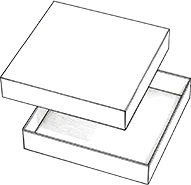
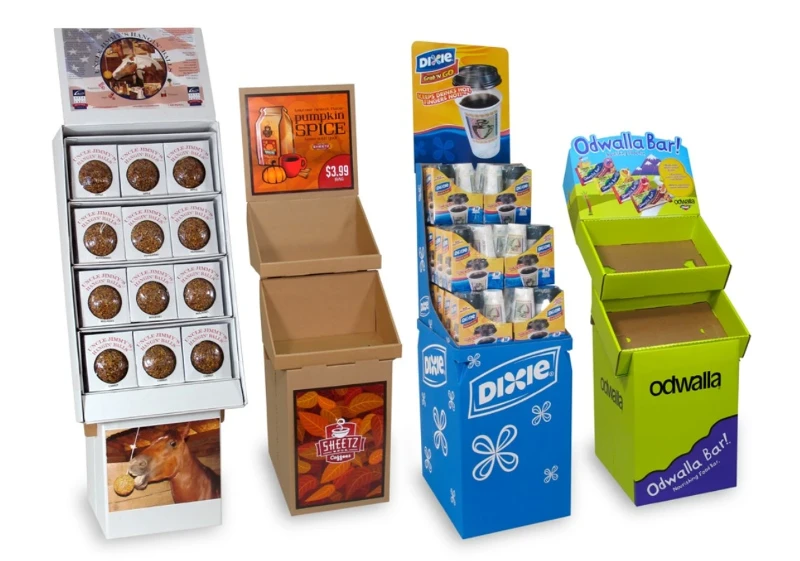
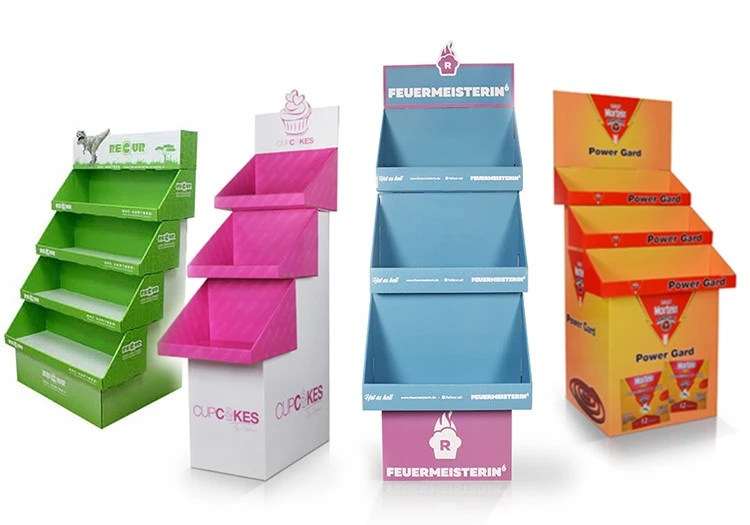
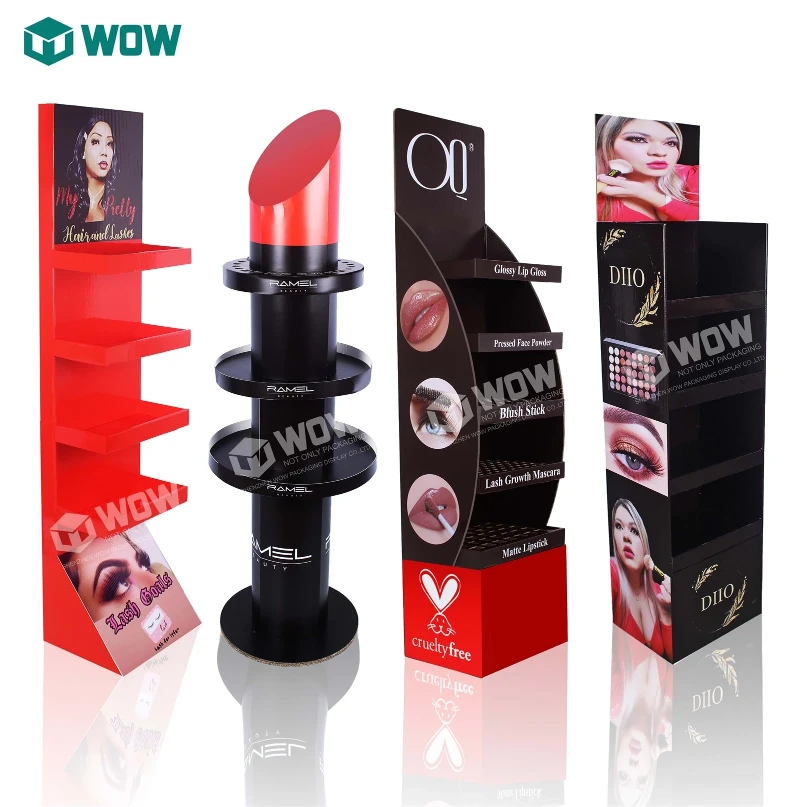
POP displays-sometimes referred to as point of sale displays-are temporary or semi-permanent structures designed to highlight specific products, seasonal campaigns, or promotional items. They often include cardboard display stands, floor-standing units, dump bins, or pallet displays, and can be customized with bold graphics, interactive elements, or unique shapes.
Key attributes:
Flexible placement in high-traffic zones.
Often produced from lightweight materials like corrugated cardboard.
Serve both marketing and functional purposes.
What Is Traditional Shelving?
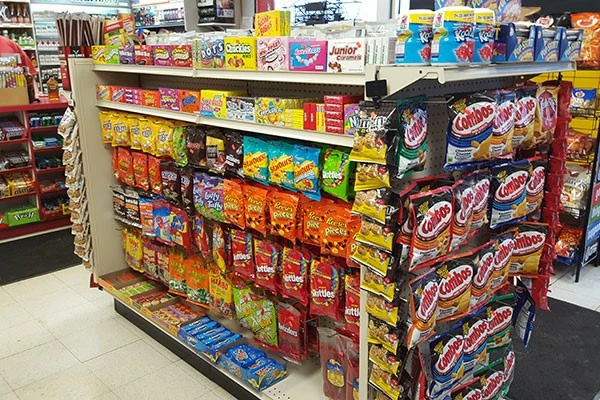
Traditional shelving is the backbone of most retail environments. It includes gondola shelving, wall fixtures, and endcaps that hold bulk inventory. Its goal is efficiency and organization rather than storytelling.
Key attributes:
Long-term, stable fixtures made of metal or wood.
Designed for high inventory volume and easy restocking.
Familiar shopping experience for customers.
Visual Merchandising and Customer Engagement
POP displays excel at attracting attention. For example, a brightly printed cardboard display stand promoting a new beverage brand can pull customers from across the aisle. According to retail marketing studies, products in dedicated POP displays often see a 20–30% lift in sales compared to identical items stocked on traditional shelves.
Traditional shelving, on the other hand, emphasizes consistency. While it may not create the same "wow" factor, it provides a sense of reliability and organization that keeps loyal shoppers coming back. Customers know exactly where to find staples like cereal, detergent, or canned goods.
In other words: POP displays spark discovery; shelves support routine shopping.
Flexibility and Customization
One of the biggest advantages of POP displays is flexibility. Retailers can:
Roll out custom cardboard display stands for seasonal holidays.
Use pop-up displays to test new SKUs without redesigning entire aisles.
Create unique themes (e.g., a beach-inspired summer campaign for sunscreen and soft drinks).
By contrast, traditional shelving lacks this adaptability. It is durable, but changing shelf layouts is time-consuming and costly. For categories where variety and storytelling matter-like cosmetics, snacks, or limited-edition beverages-POP displays provide clear advantages.
Cost and Durability
Traditional shelving is built to last, usually made of steel, aluminum, or wood. The upfront investment is high, but the lifespan can span decades with proper maintenance.
POP displays, particularly corrugated cardboard displays, are inexpensive and lightweight but not meant for long-term use. Their average lifespan is 3–6 months, depending on store conditions. This makes them ideal for promotions but less suited for everyday stocking of high-volume essentials.
Retailers often adopt a hybrid approach: durable shelving for staple products and custom POP display stands for rotating campaigns.
Sales Impact and Shopper Psychology
Studies in consumer behavior consistently show that impulse purchases account for 40–80% of certain retail categories (such as confectionery, beverages, and small household items). POP displays are intentionally designed to exploit this behavior. Bright colors, bold fonts, and strategic placement near checkout counters encourage shoppers to add unplanned items to their basket.
Traditional shelving appeals more to planned purchases. It supports the shopping list, ensures products are logically organized, and delivers efficiency. This is why shelves dominate grocery aisles but are often supplemented by endcap displays or POP dump bins for impulse-driven products.
Space Utilization and Store Flow
Shelves maximize vertical and horizontal space. A single gondola unit can hold hundreds of SKUs in a limited footprint, making it efficient for large supermarkets.
POP displays require more open space but are designed to interrupt customer flow intentionally. For example:
A dump bin display placed near checkout forces a pause in the customer journey, sparking last-minute decisions.
A rotating POP display stand in a cosmetics store encourages browsing through tactile engagement.
Effective retail layout often combines both: shelving for structure, POP for flow disruption.
Sustainability and Material Choices
Sustainability is increasingly shaping retail strategies. Corrugated cardboard POP displays are recyclable and eco-friendly, making them attractive for brands looking to enhance their green image.
By contrast, traditional shelving requires higher resource input during manufacturing and has limited recyclability, but because it lasts for decades, its environmental impact spreads over a longer timeline.
Forward-thinking retailers are also experimenting with modular POP stands that use renewable materials or hybrid metal-cardboard designs for both durability and sustainability.
Which Works Best?
The answer isn't one-size-fits-all. It depends on the retailer's goals:
For long-term inventory management: Traditional shelving wins with durability and efficiency.
For short-term promotions and product launches: POP displays drive engagement and incremental sales.
For hybrid strategies: A mix of shelving for essentials and POP display stands for promotional storytelling offers the best of both worlds.
Retailers like Walmart, Target, and Tesco successfully combine both approaches-shelves for structure, POP for inspiration.
Conclusion
The debate between POP displays and traditional shelving is less about which is better and more about how they complement each other. POP displays ignite excitement and impulse, while shelving maintains order and efficiency. Together, they create a balanced retail environment where customers can both plan and discover.
Looking to design custom POP displays that actually sell? Our team specializes in creating cardboard display stands and retail POS displays tailored to your brand. Contact us today to explore how we can bring your vision to life.