













Display design serves as an important bridge between products and consumers, transforming ordinary spaces into engaging environments that convey brand messages, promote business development, and create unforgettable experiences. From retail stores to museums, from exhibitions to trade shows, effective display design can fulfill multiple essential functions that benefit both businesses and audiences.
1.1 Attracting Attention and Conveying Information
The primary function of display design lies in capturing attention in increasingly crowded visual environments. Consumers are bombarded with countless visual stimuli daily, making it essential for displays to stand out through strategic design elements.
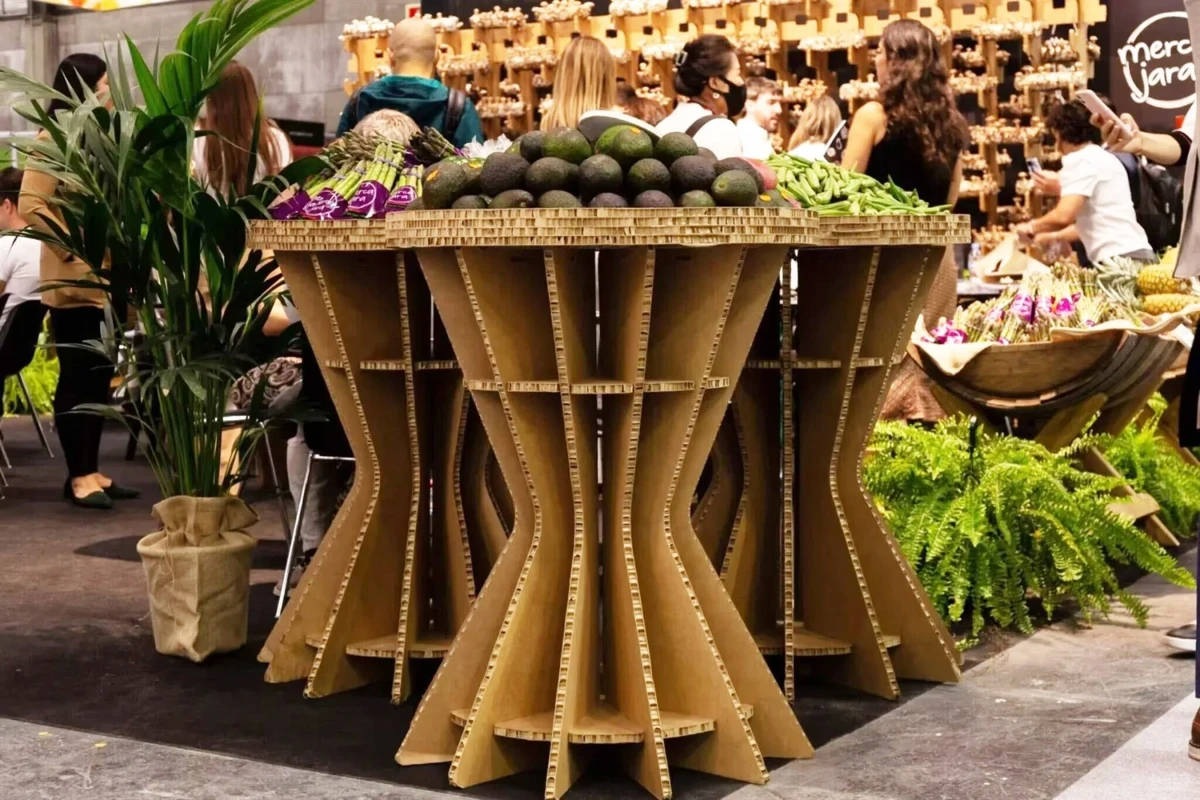
Effective eye-catching displays utilize bold colors, dynamic lighting, and compelling visual hierarchies, along with clever use of light and space. These elements work together to create focal points that naturally draw the eye. For example, a well-designed cardboard display rack can transform a simple product presentation into an eye-catching promotional tool that stops customers in their tracks.
Modern display design increasingly incorporates digital elements to enhance information delivery. Interactive screens, QR codes, and augmented reality features provide additional layers of information while maintaining visual appeal. These technologies enable real-time updates and personalized content delivery.
1.2 Enhancing Brand Image and Promoting Sales
Display design serves as a powerful brand communication tool, translating abstract brand values into tangible visual experiences. Every design element, from materials and colors to typography and spatial arrangement, contributes to brand recognition and identification.
Consistency across all display elements reinforces brand image and builds consumer trust. When customers repeatedly experience familiar brand aesthetics, they develop stronger emotional connections and brand loyalty. This consistency must extend from large installations to small promotional materials.
Effective display design can bring direct and measurable sales promotion benefits. Strategic product placement, compelling visual merchandising, and persuasive call-to-action elements can significantly increase conversion rates. Research consistently shows that well-designed displays can boost sales by 20-40% compared to standard presentations.
1.3 Providing Interactive Experiences and Educational Functions
Contemporary display design increasingly emphasizes interactivity and engagement over passive viewing experiences. Interactive elements transform visitors from observers into active participants, creating deeper connections with content and brands.
Educational displays play particularly important roles in museums, science centers, and cultural institutions. These environments require designs that can present complex information clearly and understandably while maintaining visitor engagement. Interactive exhibits allow learners to explore concepts at their own pace and according to their preferred learning styles.
Technology integration has revolutionized interactive display possibilities. Touch screens, motion sensors, and voice activation technologies can create immersive experiences that respond to user behavior. These technologies enable personalized content delivery and adaptive learning experiences.
1.4 Beautifying Environments and Enhancing Space Value
Display design enhances environmental aesthetics, transforming monotonous spaces into visually pleasing and psychologically comfortable environments. This aesthetic function affects visitor mood, behavior, and overall experience quality.
Color schemes and material choices significantly influence spatial perception and emotional responses. Warm colors create intimate and cozy atmospheres, while cool tones convey professionalism and efficiency. Texture combinations add visual interest and tactile appeal, encouraging closer observation and interaction.
Space utilization optimization demonstrates the practical benefits of thoughtful display design. Efficient layouts maximize available space while maintaining comfortable navigation paths. Vertical displays and modular systems, including innovative cardboard display rack solutions, help retailers maximize product exposure within limited floor space.
Lighting design complements display elements to create ambiance and highlight key features. Strategic illumination can dramatically transform spatial perception, making areas appear more spacious, luxurious, or intimate as desired.
Conclusion
Display design serves multifaceted purposes that extend far beyond simple product presentation. From attracting attention and conveying information to enhancing brand image and creating interactive experiences, effective displays are crucial to business success and audience satisfaction.
Displays are evolving toward greater interactivity, sustainability, and technological integration, reflecting changing consumer expectations and technological capabilities. As these trends continue, display designers must balance innovation with practicality, ensuring that new approaches meet genuine user needs rather than simply following technological trends.