







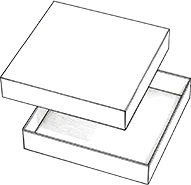
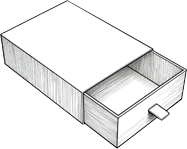



Packaging does more than protect a product-it tells a brand's story, communicates quality, and shapes consumer perception. As competition in the packaging industry intensifies, brands are investing more in high-quality printing for custom cardboard boxes and corrugated cardboard boxes to stand out on store shelves.
But what printing method is right for your packaging project? Understanding the differences among major techniques-flexography, offset printing, digital printing, and screen printing-can help you make an informed, cost-effective decision.
Flexography Printing
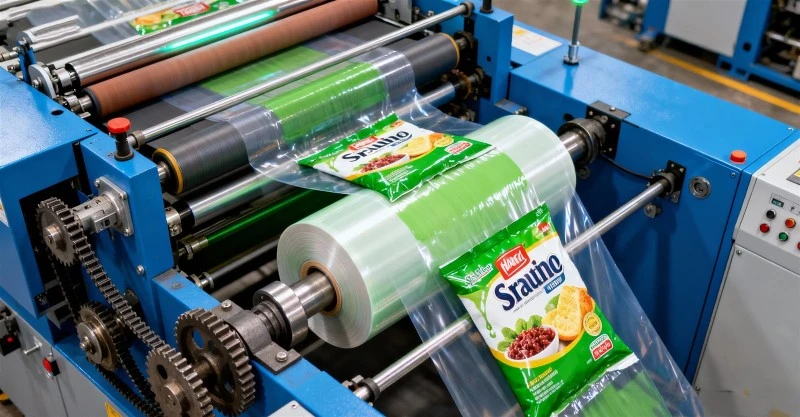
Flexography, or flexo printing, is one of the most widely used techniques for printing on cardboard packing boxes and corrugated cardboard boxes. It uses flexible relief plates made of rubber or photopolymer, which transfer ink directly to the packaging surface.
Advantages:
- High-speed printing: Ideal for large orders and continuous production lines.
- Versatility: Works well on various materials, including kraft paper, corrugated board, and plastic films.
- Cost-effective for bulk runs: The setup cost is relatively high, but the per-unit cost drops significantly with larger volumes.
Example: For e-commerce packaging or standard shipping cartons, flexography offers crisp text, simple graphics, and consistent color coverage. Many major packaging suppliers use flexo printing for its balance of speed and durability.
Offset Printing
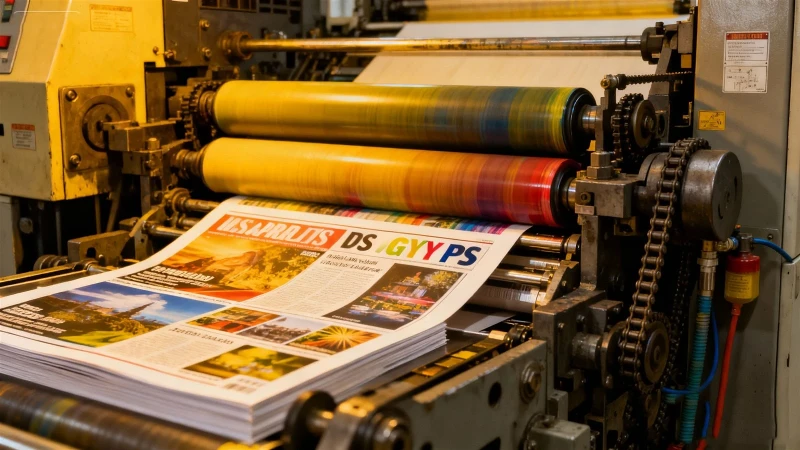
Offset printing-also known as lithographic printing-is the go-to method for brands seeking high-quality visuals on custom cardboard boxes. It involves transferring ink from a plate to a rubber blanket, then onto the printing surface, producing sharp and vibrant images.
Advantages:
- Exceptional color accuracy: Ideal for packaging that needs high-resolution images or brand-specific color matching.
- Smooth finish: Delivers a professional, premium appearance.
- Wide design flexibility: Supports special finishes such as embossing, spot UV, and matte/gloss lamination.
Use Case: Offset printing is perfect for luxury packaging-cosmetics, electronics, or high-end retail boxes-where presentation is crucial. Although setup costs are higher, it's the best option for medium-to-large batches that demand precision and color consistency.
Digital Printing
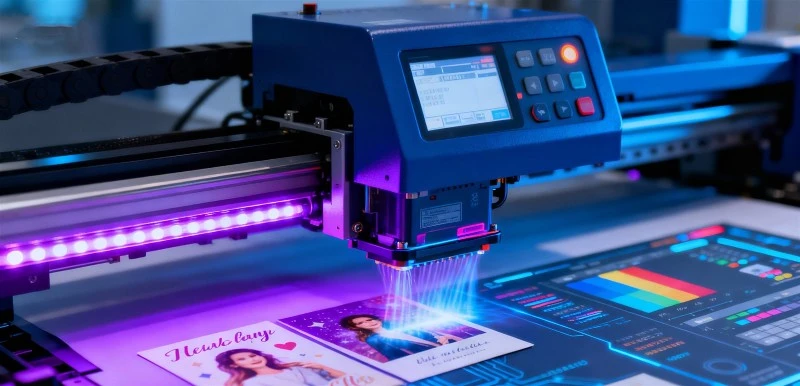
With the rise of on-demand packaging, digital printing has become increasingly popular for short production runs or personalized custom cardboard boxes. Unlike traditional printing methods, digital printing doesn't require plates, which significantly reduces setup time.
Advantages:
- Quick turnaround: Suitable for tight deadlines and smaller batch orders.
- Customization capability: Enables variable data printing, such as unique QR codes, serial numbers, or limited-edition graphics.
- Eco-friendly option: Uses less waste and is compatible with cardboard box recycling initiatives.
Example: Brands running seasonal promotions or influencer packaging campaigns often choose digital printing for its flexibility and ability to produce high-impact visuals quickly.
Screen Printing
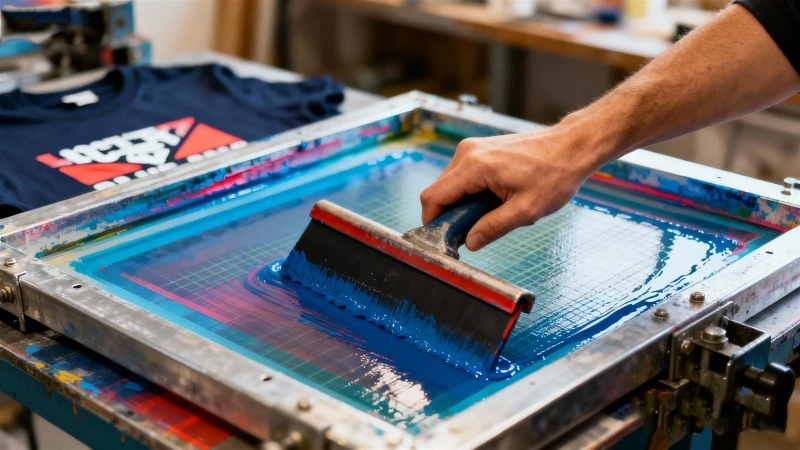
Screen printing-also known as silk screen printing-involves pressing ink through a mesh stencil onto the packaging surface. It's particularly suitable for logos, text, or limited-color graphics on smaller packaging batches.
Advantages:
- Durable ink layers: Resistant to scratches and fading, making it ideal for rough handling or outdoor packaging.
- Vibrant colors: Produces bold, opaque results even on darker cardboard materials.
- Low initial investment: A practical choice for small businesses or prototype runs.
While screen printing doesn't achieve the detail level of offset or digital printing, it remains a cost-effective method for simple yet durable designs on corrugated cardboard boxes or kraft packaging.
Choosing the Right Printing Method
When selecting a printing technique for your cardboard packing boxes, consider these key factors:
|
Factor |
Recommended Method |
Reason |
|
Large order quantities |
Flexography |
Cost-efficient and fast for mass production |
|
High-quality, detailed designs |
Offset Printing |
Sharp color accuracy and professional finish |
|
Small or personalized batches |
Digital Printing |
Fast, flexible, and low setup costs |
|
Simple designs or prototypes |
Screen Printing |
Durable ink layers and budget-friendly setup |
Your final decision should balance design goals, production budget, and environmental priorities. For example, if your brand values sustainability, combining digital printing with cardboard box recycling initiatives helps align your packaging with eco-friendly goals.
Sustainability and Printing Innovation
The global shift toward sustainability has transformed printing technology. Today's custom cardboard boxes often use water-based inks and soy-based pigments instead of petroleum-based solvents, reducing environmental impact. Meanwhile, digital printing reduces excess material use and supports print-on-demand models-eliminating the need for large inventory storage and minimizing waste.
Furthermore, many manufacturers now incorporate recycled corrugated cardboard boxes into their production cycles, ensuring that the packaging can be easily reused or composted after use. This integration of quality printing and eco-conscious materials helps brands project a responsible, modern image.
Conclusion
Each printing method offers unique advantages depending on your packaging needs. Flexography is efficient for large orders, offset printing provides unmatched precision, digital printing excels in customization, and screen printing remains reliable for small projects.
By understanding these differences, you can select the most suitable process to elevate your custom cardboard boxes and create packaging that not only protects but also promotes your brand effectively.
We are a professional manufacturer specializing in designing and creating cardboard POP displays,including cardboard packing.If you have any questions, you want to consult or purchase needs, you can contact us
FAQs
1. Which printing method is most cost-effective for bulk cardboard box orders?
For large-scale production, flexography offers the best balance between cost and efficiency, especially for corrugated cardboard boxes used in shipping or retail.
2. Can digital printing be used for recycled cardboard materials?
Yes. Digital printing works perfectly with recycled substrates and supports eco-friendly packaging practices, helping brands align with cardboard box recycling goals.
3. What's the average lead time for custom-printed cardboard boxes?
Lead time varies by method: digital printing typically takes 5–7 days, while offset or flexo printing may require 10–20 days, depending on order quantity and design complexity.
4. Can I print full-color graphics on corrugated boxes?
Absolutely. Both offset and digital printing methods deliver vivid, full-color graphics, while flexography can handle simpler multi-color designs efficiently.
5. How can I ensure the color consistency of my packaging boxes?
Request a proof sample before full production. Professional manufacturers use Pantone color matching systems to ensure your custom cardboard boxes look identical across batches.