







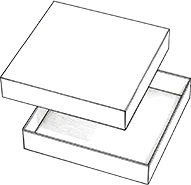
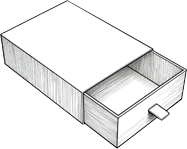



Custom cardboard body care displays combine branded graphics with a structure developed around the actual bottles, tubes, jars or gift boxes being promoted. Unlike a standard retail fixture, every part of the display can be adjusted to suit the product dimensions, weight, SKU quantity, campaign theme and required display capacity.
For body lotions, shower gels, soaps, scrubs, hand creams and other personal care products, customization is especially important. These products vary considerably in shape and weight. A structure suitable for small tubes may not provide enough stability for tall pump bottles, while a display designed for individual items may not accommodate larger gift sets.
The following ideas focus specifically on how custom cardboard display structures can help body care brands create a more recognizable and practical retail presentation.
Why Use Custom Cardboard Displays for Body Care Products?
Cardboard displays are widely used for promotional body care campaigns because the structure, shape and graphics can all be developed for a particular product range.
A custom display can be designed around:
- The dimensions and weight of each package
- The required number of products per display
- The number of scents, formulas or SKUs
- The campaign duration
- The available retail footprint
- Flat-packed or pre-packed delivery
- Brand colors and campaign artwork
- Assembly and replenishment requirements
This flexibility allows the display to function as part of the campaign rather than as a generic stand carrying branded stickers.
Corrugated cardboard is also suitable for short- and medium-term promotional programs. It provides a large printable surface, can be formed into different structures and can normally be shipped flat to reduce packing volume.
However, successful results depend on structural engineering. Board grade, flute direction, shelf span, product weight and reinforcement methods must be considered before the appearance of the display is finalized.

1. Product-Shaped Body Care Floor Displays
A product-shaped floor display uses the outline of the packaging as part of the structure. The header or side panels might follow the shape of a pump bottle, lotion tube, soap container or gift box.
This creates a strong connection between the display and the product being promoted. Even when shoppers view the display from a distance, the silhouette helps communicate the category.
The structure does not need to reproduce the complete product shape. A shaped header combined with conventional rectangular shelves is often more practical. This keeps the product area easy to manufacture and load while giving the upper section a distinctive appearance.
When developing this type of custom cardboard display, the engineering team needs to consider how the decorative contour affects die-cutting, board utilization and packing dimensions. Large projecting shapes may require additional support or a separate component that is attached during assembly.
The objective is to create a recognizable silhouette without making the display unstable or unnecessarily complicated.
2. Tiered Cardboard Displays for Tubes and Small Bottles
Body care ranges frequently include hand creams, travel-size lotions, body oils and other products in relatively small packages. If these items are placed on shelves with the same height, the products at the front may cover those behind them.
A custom tiered display raises each product row and keeps more of the package design visible. The number of tiers, step height and depth can be developed according to the actual packaging.
For lightweight tubes, the display may use a folded corrugated insert with individual compartments. Bottles with narrow bases may require fitted openings or front retainers to prevent them from falling forward.
The dimensions of every tier should be confirmed with physical products or accurate product samples. A few millimeters can affect whether a tube remains upright or whether a bottle can be removed comfortably.
Tiered structures can be developed as countertop units or incorporated into a larger floor display. The final format depends on the number of products, total weight and required campaign visibility.
3. Custom Floor Displays for Pump Bottles
Pump bottles create different structural challenges from boxed cosmetics or small tubes. They are usually taller, heavier and more top-heavy.
A custom cardboard floor display for body wash, hand wash or body lotion should therefore be designed around the fully loaded shelf weight. Shelf span, front-edge strength, internal supports and base stability all need to be evaluated.
One option is to use reinforced shelves with folded front edges. Another is to introduce vertical supports between product columns. For heavier collections, internal corrugated braces can transfer load from the shelves to the display base.
Product fit also matters. If the shelf height is too low, the pump may contact the shelf above. If the shelf is unnecessarily high, the display becomes larger without increasing capacity.
Before production, a full-size prototype should be loaded with the intended number of bottles. This helps verify shelf deflection, access to the rear products and the stability of the complete unit.

4. Die-Cut Window Displays for Body Care Gift Sets
Body care gift sets often combine products of different shapes inside one package. A custom cardboard display can use die-cut windows or fitted openings to frame these sets and make the packaging more visible.
The openings can follow the shape of the gift box or expose a specific part of the printed design. This gives the display more visual depth than a standard open shelf.
Die-cut windows can be included in:
- Shelf fronts
- Side panels
- Display headers
- Product trays
- Individual gift-set compartments
The window size should be balanced with structural strength. Removing too much material from a load-bearing panel can reduce stability. For this reason, the graphic design and structural drawing should be reviewed together.
If the gift set packaging is easily scratched, exposed corrugated edges may need to be covered or positioned away from the product surface. The insert should hold the set securely without making it difficult to remove.
5. Compartment Displays for Multiple Scents or Formulas
A single body care collection may include several fragrances, ingredients or skin-care benefits. A custom compartment structure helps keep those variations separated within one display.
Corrugated dividers can be developed according to the width of each bottle, tube or box. Printed shelf strips or color-coded panels can then identify the different product options.
The dividers should do more than organize the products visually. They can also prevent narrow bottles from leaning and stop different SKUs from mixing during transportation or store handling.
Several structural formats are possible:
Fixed compartments:These are suitable when the product range and package dimensions will remain consistent throughout the campaign.
Removable dividers:These allow the brand or retailer to adjust the number of products allocated to each SKU.
Modular trays:Separate product trays can be replaced when a fragrance, formula or promotional set changes.
The best structure depends on whether the display supports a single launch or will be reused for several product assortments.
6. Countertop Body Care Displays With Custom Inserts
Countertop displays are suitable for smaller body care products such as hand creams, lip treatments, mini lotions, soaps and travel-size items.
A custom insert can hold each product in a defined position. The insert may use die-cut openings, raised steps, angled platforms or individual cells.
Custom inserts are particularly useful for products with irregular packaging. A round jar, narrow tube and small bottle will not remain organized in the same type of opening. Each product position should be developed according to the package profile.
The outer display provides the printable branding area, while the insert controls product fit. Designing these components together helps ensure that the graphic message remains visible after the display is filled.
For displays supplied pre-packed, the insert can also reduce movement inside the shipping carton. Additional protective pads or locking tabs may be required depending on the product material and weight.

7. Cardboard Tester Displays With Reinforced Holders
For body lotions, creams, scrubs and fragrance products, brands may want to include testers in the display. A tester holder needs to withstand more handling than a normal product position.
The tester platform may use multiple layers of corrugated board, a reinforced tray or a fitted insert. For pump bottles, the base opening should prevent the bottle from moving when the pump is pressed.
If the display includes both sale products and testers, the two areas should be structurally separated. This prevents spilled product from reaching the packaged stock and makes the tester section easier to replace.
The design may also include compartments for applicators, scent strips or information cards. These elements should be integrated into the structure rather than attached as an afterthought.
Cardboard tester displays remain intended for indoor retail use. If there is a risk of oils, creams or liquids reaching the printed surface, an appropriate protective finish should be considered.
8. Gravity-Feed Displays for Boxed Soaps and Body Care Products
Gravity-feed structures use an inclined product channel so the next item moves forward after the front product is removed.
This system can work for boxed soaps, compact body care cartons and other packages with consistent dimensions. It keeps products near the front of the display without requiring a spring-loaded mechanism.
The angle of the channel needs to be tested with the actual packaging. A surface that works for a smooth carton may not work for a textured or irregular package. The product weight and friction between boxes also affect movement.
Side guides help keep each product within its lane. A front stop prevents the leading product from falling while leaving enough of the package accessible.
A cardboard gravity-feed display requires more structural development than a standard shelf display, but it can create a distinctive and functional solution for suitable body care products.
9. Custom Dump Bins for Soaps, Bath Bombs and Promotional Packs
Dump bins provide higher capacity for lightweight or individually packaged products. They can be developed for soaps, bath bombs, sponges, trial packs and other body care accessories.
A custom cardboard dump bin should be designed around the product size and the expected fill level. If the bin is too deep, shoppers may have difficulty reaching the remaining products. If it is too shallow, the structure may not provide enough capacity.
Internal false bottoms can raise products to a more accessible level without requiring the entire bin to be filled. Dividers can separate fragrances, colors or different promotional packs.
The upper edge, corners and base require attention because these areas receive repeated contact. Folded edges or additional corrugated layers can improve durability.
The outer panels offer a large printable area, making the dump bin suitable for ingredient imagery, seasonal graphics or a product-launch message.
10. Modular Cardboard Displays for Changing Campaigns
Body care brands often introduce seasonal fragrances, limited editions and promotional gift sets. A modular cardboard display allows selected graphic or product-holding components to be changed without redesigning the entire structure.
A modular system might include:
Replaceable headers
Removable product trays
Adjustable dividers
Interchangeable shelf strips
Separate tester modules
Reversible graphic panels
The main body can remain consistent while campaign-specific parts are updated. This can be useful when several collections use similar packaging dimensions.
Modularity must be planned from the beginning. Replaceable components need reliable locking methods, clear assembly instructions and enough tolerance to fit correctly after printing and mounting.
The supplier should also confirm how replacement components will be packed and identified. A technically modular display will still create problems if store teams cannot determine which parts belong together.
Using Graphics to Make the Custom Structure More Distinctive
Cardboard provides a large surface for printed graphics, but more graphics do not automatically create a stronger display.
The artwork should follow the structure. A shaped header can carry the main campaign image, side panels can introduce the ingredient or fragrance story, and shelf fronts can identify individual product variations.
Important text should not cross folds, glue areas or die-cut openings. Logos also need to remain visible when the display is fully loaded.
Several printing and finishing options may be considered depending on quantity, campaign duration and visual requirements:
Offset printing with mounted litho sheets
Direct printing on corrugated board
Matte or gloss lamination
Spot UV or selected surface effects
Foil details for premium gift campaigns
Replaceable printed panels
The selected finish should be evaluated against cost, appearance and recyclability. A structure does not need every available finish to look premium. Accurate color, clean mounting and good edge alignment often have a greater effect on the final result.
Choosing the Right Corrugated Structure
The appearance of a body care display cannot be separated from its load-bearing requirements.
Lightweight tubes may only require a compact folded structure. A display carrying glass jars, large pump bottles or multiple gift sets will need stronger corrugated material and additional support.
Structural decisions may include:
Corrugated flute type
Board thickness
Flute direction
Shelf span
Folded shelf edges
Internal partitions
Base reinforcement
Back-panel support
Anti-tip features
The correct solution should be based on actual product weight rather than a general statement that a particular board grade is "strong."
A loaded sample is especially important when the display uses wide shelves or carries liquid products. The prototype should remain loaded long enough to reveal shelf deflection or gradual structural movement.
Flat-Packed and Pre-Packed Body Care Displays
Packing method should be considered while the display structure is being developed.
A flat-packed display reduces shipping volume and is normally assembled after delivery. The structure should therefore use clear folds, locking tabs and a manageable number of components. Assembly instructions can be printed or supplied separately.
A pre-packed display is loaded with products before shipment. This reduces store-level setup but places greater demands on the structure and outer shipping carton. Internal supports may be required to protect shelves and prevent products from moving in transit.
For liquid body care products, packaging also needs to consider leakage risk. Individual product protection, orientation marks and carton strength may be required.
The final choice depends on the distribution process, product value, campaign quantity and who will assemble or load the display.
How a Custom Body Care Display Is Developed
A reliable custom display project begins with product information rather than a generic display template.
The supplier should first confirm:
- 1. Product dimensions and weight
- 2. Number of products per display
- 3. Number of SKUs
- 4. Package material and shape
- 5. Required display footprint
- 6. Campaign duration
- 7. Flat-packed or pre-packed delivery
- 8. Artwork and brand requirements
- 9. Approximate order quantity
- 10. Target delivery schedule
The structural designer can then develop an initial dieline or 3D concept. After the structure has been reviewed, a physical prototype is produced for product-fit and loading tests.
Artwork is applied only after the structural dimensions are confirmed. This prevents graphics from being prepared for a dieline that later needs significant changes.
Once the sample is approved, the project moves into printing, mounting, die-cutting, gluing, quality inspection and packing. Connecting design with production helps ensure that the approved structure can be manufactured consistently.
Why Design and Manufacturing Need to Work Together
A creative body care display still needs to be practical to produce.
A curved side panel may look attractive but create unnecessary board waste. A wide shelf may provide more product capacity but require reinforcement. A complex insert may hold products perfectly but take too long to assemble.
When design and production teams work together, these issues can be reviewed before the final concept is approved. The goal is not to remove creative elements. It is to retain the features that make the display distinctive while simplifying parts that add cost or production risk without improving the presentation.
At WOW DISPLAY, structural design, prototyping, printing, die-cutting, mounting, gluing and packing are managed through one coordinated development process. This allows the appearance, product fit, load performance and manufacturing method to be considered together.
Frequently Asked Questions
1.What products can be placed on a cardboard body care display?
Custom cardboard displays can be developed for lotions, shower gels, soaps, body scrubs, hand creams, bath bombs, deodorants, body oils, trial-size products and gift sets. The structure must be designed according to the weight and dimensions of the actual packaging.
2.Can cardboard displays hold heavy bottles?
Yes, but heavier bottles require suitable board grades, shorter shelf spans and structural reinforcement. The display should be tested with the intended number of products before production.
3.Can the display include several product sizes?
Yes. Custom inserts, adjustable dividers and separate product trays can accommodate different package dimensions. Accurate product measurements are required during structural development.
4.Can a body care display be supplied pre-packed?
Yes. Pre-packed displays require additional consideration for shelf support, product protection, outer-carton strength and transportation testing.
5.Can the graphics be changed for a new product collection?
Replaceable headers, shelf strips, panels and product trays can be incorporated into a modular design. The different campaigns should use compatible product dimensions if the main structure will remain unchanged.
6.What information is needed to request a custom design?
Provide the product dimensions, individual weight, product photographs, required quantity per display, number of SKUs, preferred display type, campaign quantity and any available brand artwork. A reference image or initial sketch can also be used as a starting point.
Develop a Custom Cardboard Display for Your Body Care Products
A successful body care display should be designed around the product rather than selected from a standard structure.
Bottle stability, shelf loading, product access, tester use, printing, assembly and packing all influence the final design. Addressing these factors during development produces a display that is visually distinctive and practical to manufacture.
Send WOW DISPLAY your product dimensions, weight, SKU quantity and campaign requirements. Our design and engineering team can develop a custom cardboard body care display from the initial concept and prototype through bulk production and packing.