























In the competitive world of retail, how you present products can be just as important as the products themselves. Shoppers today expect stores to feel organized, visually appealing, and easy to navigate. This is where hook display racks come into play. These versatile fixtures allow retailers to maximize space, highlight key items, and create a seamless shopping experience that encourages higher sales.
Why Hook Display Racks Are Essential in Retail
According to data from the National Retail Federation, up to 70% of purchasing decisions are made in-store. This means that how you present your merchandise directly influences revenue. Hook display stand provide:
Efficient use of vertical space – Instead of relying solely on flat shelves, hooks turn walls and panels into selling surfaces.
Improved visibility – Products are front-facing, ensuring shoppers can quickly scan and identify what they want.
Flexibility – Hooks can be repositioned as inventory changes, which is especially useful in dynamic retail environments.
Impulse buying opportunities – By positioning racks near checkout areas or at eye level, you increase chances of unplanned purchases.

Types of Hook Display Racks for Retail
Not all stores require the same layout. Different hook display racks can serve different needs depending on store size, traffic flow, and merchandise type.
Wall-Mounted Hook Display Racks
Wall-mounted racks make excellent use of blank vertical space. They keep aisles open while showcasing a high volume of products. For example, hardware stores often use wall hook racks to display tools or accessories.
Free-Standing Hook Display Units
These mobile racks can be positioned anywhere on the floor. They're ideal for promotional zones or seasonal campaigns since they can be relocated with ease.
Slatwall or Gridwall Panels with Hooks
For retailers with constantly rotating inventory, slatwall or gridwall systems offer maximum flexibility. Adding or removing hooks is simple, allowing quick category adjustments.
Rotating Hook Displays
Rotating units maximize space by providing 360° product access. These are particularly useful in convenience stores for items like snacks or keychains.
Each type serves a unique purpose, but all share the same goal: creating a neat, shopper-friendly presentation.

How to Position Hook Display Racks for Maximum Impact
Placement is key. Poorly located displays won't generate the results retailers expect. Here are proven positioning strategies:
1. At Entry Points – Hook racks placed near the entrance draw attention to seasonal promotions, limited editions, or new arrivals.
2. High-Traffic Aisles – Position racks in corridors where shoppers naturally pass, such as near best-selling categories.
3. Checkout Zones – Small, low-cost items displayed near cash registers can significantly increase impulse purchases.
4. Eye-Level Advantage – Retail studies confirm that products placed at eye level can see 20% higher sales compared to those placed below the waistline.
By thoughtfully positioning hook display racks, retailers transform unused space into profitable zones.
Design Tips to Enhance Shopper Experience
Even with the right placement, poor design can reduce the effectiveness of displays. Retailers should consider:
- Keep it uncluttered: Too many hooks packed together overwhelm customers. Space products evenly for easy browsing.
- Group by category: Grouping items by size, color, or function helps shoppers find what they need faster.
- Use signage: Simple price tags or promotional signs above the rack direct attention and add context.
- Prioritize bestsellers: Place your top 20% revenue-generating items at the center of the hook rack.
A well-designed hook display rack doesn't just show products; it guides customers through their purchase journey.

Combining Hook Displays with Other Retail Fixtures
While hook racks are powerful on their own, they're most effective when integrated into a larger retail strategy. For instance:
Pair with dump bin displays: Dump bins handle bulkier products, while hooks showcase smaller add-on items.
Use alongside end cap displays: End caps attract attention, and adjacent hook racks allow customers to grab complementary products.
Incorporate with shelving systems: Shelves highlight core items, while hooks present accessories or cross-sell opportunities.
This hybrid approach ensures shoppers have multiple touchpoints with your merchandise.
Materials and Durability Considerations
The material of your hook display racks impacts both aesthetics and longevity.
Metal Hook Display Racks – Durable and capable of supporting heavier products.
PVC Display Racks with Hooks – Lightweight, cost-efficient, and customizable with brand graphics.
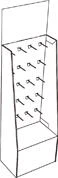
Cardboard display stand with hooks - low cost, light weight, easy to transport, and recyclable.
Wooden POS Display with Hooks – Adds a natural, premium feel for lifestyle or boutique stores.
When selecting a rack, retailers should balance durability with the visual branding of their store.
The Long-Term ROI of Hook Display Racks
While the upfront cost of installing hook display racks may seem modest, the long-term benefits are significant:
Reduced floor clutter – Customers move freely, improving their shopping experience.
Scalability – As your product line grows, adding hooks is easier than investing in new shelving.
Stronger brand identity – Customizable racks can carry your brand's colors and graphics.
Consistent revenue growth – Optimized visibility drives more consistent product turnover.
Ultimately, they're not just fixtures; they're a strategic investment in retail efficiency and profitability.

Conclusion
Hook display racks are one of the most practical yet underrated retail solutions. They save space, improve product visibility, and enhance shopper experience-all while boosting sales. From wall-mounted designs to free-standing and rotating units, their versatility makes them suitable for nearly every type of retail environment.
Whether you're a large retailer or a small boutique, implementing hook displays strategically can transform underutilized areas into revenue-driving hotspots. The key lies in thoughtful placement, clean design, and integration with broader merchandising strategies.
Ready to optimize your store layout? Consider adding hook display racks to your retail strategy and see how small adjustments can lead to big sales results. If you're exploring options, we can help design customizable solutions tailored to your brand and products.