












Acrylic display boxes have moved from niche use to a standard merchandising choice across retail stores, galleries, boutiques, and even e-commerce packaging. Their popularity isn't accidental. Retailers today want fixtures that elevate product presentation without overpowering the items on display. Acrylic does exactly that-clean lines, strong transparency, and a surprisingly durable structure. These benefits are also why Acrylic Display Racks, acrylic tiered shelves, and every type of acrylic display stand continue to rise in demand.
Below, we break down the true appeal of acrylic display boxes, focusing on insights buyers genuinely care about-quality differences, durability, pricing considerations, and how acrylic compares with other display options.
What Makes Acrylic Display Boxes So Appealing?
Retailers choose acrylic display boxes for one central reason: clarity. High-grade acrylic can transmit up to 92% of visible light, which is comparable to museum-level glass. This transparency creates a clean, invisible look that naturally elevates smaller products like watches, cosmetics, toys, packaged foods, and electronics.
Buyers often compare acrylic boxes with glass, but acrylic is about 50% lighter and significantly more impact-resistant, reducing the risk of breakage during transport or daily use. Because of this clarity and durability combination, acrylic boxes integrate seamlessly with acrylic jewelry display setups or an acrylic greeting card display near checkout areas.
Why Retailers Prefer Acrylic Over Other Materials
Retailers often debate materials when purchasing fixtures-wood, metal, cardboard, or acrylic. But acrylic stands out for reasons beyond aesthetics.
It doesn't limit the design. Acrylic can be bent, laser-cut, bonded, engraved, and shaped with higher precision than wood or metal.
It complements brand colors. Acrylic boxes can be clear, frosted, black, or even color-tinted to match retail branding.
It pairs well with other display systems. Shops frequently use acrylic alongside display rack acrylic structures or acrylic magazine display units to create a cohesive retail look.
Another advantage is that acrylic reduces visual clutter. Buyers often complain that wood or metal displays overpower the product, while acrylic "disappears" in the environment, giving the spotlight back to merchandise.
How Acrylic Display Boxes Enhance Product Visibility
One of the biggest concerns from retailers-especially those selling cosmetics, jewelry, or small packaged goods-is product visibility.
Acrylic display boxes solve this by offering:
Full 360-degree visibility without distortion
Improved lighting reflection, especially under LED spotlights
Customizable height options for better shelf-level presentation
This is also why acrylic tiered shelves remain popular. Tiered structures help arrange products vertically, making every item visible from a distance and improving shopper engagement. When buyers add acrylic display boxes on top of these shelves, the results are noticeably better in impulse-buy areas or front-of-store promotional zones.

Key Applications Across Different Retail Categories
Acrylic display boxes are widely used because of their versatility. They can support display categories such as:
Cosmetics & Beauty
Acrylic boxes placed on a makeup acrylic display stand create attractive showcases for lipstick, foundation, skincare sets, and limited-edition products. They highlight packaging details and encourage customers to try items safely.
Fashion Accessories
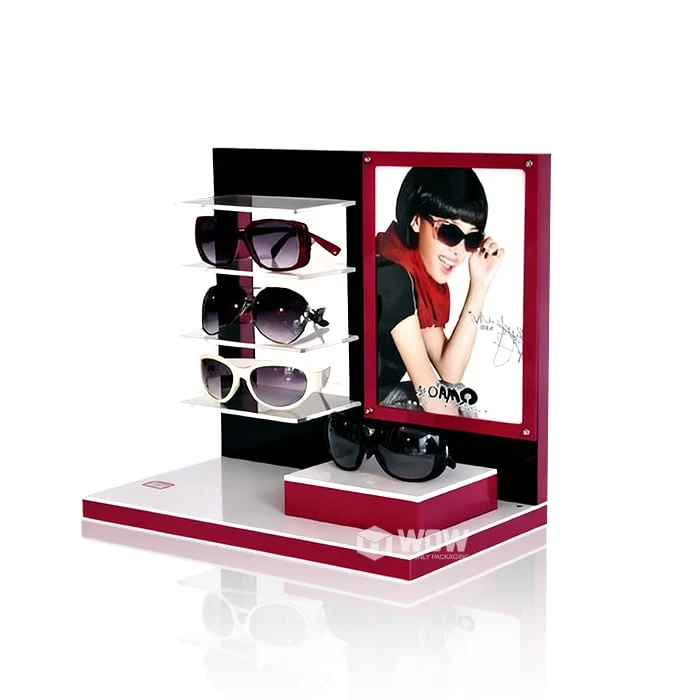
At jewelry counters, acrylic boxes pair seamlessly with an acrylic jewelry display setup. The boxes create dust-proof, scratch-resistant protection while allowing customers to view details from every angle.
Stationery & Books
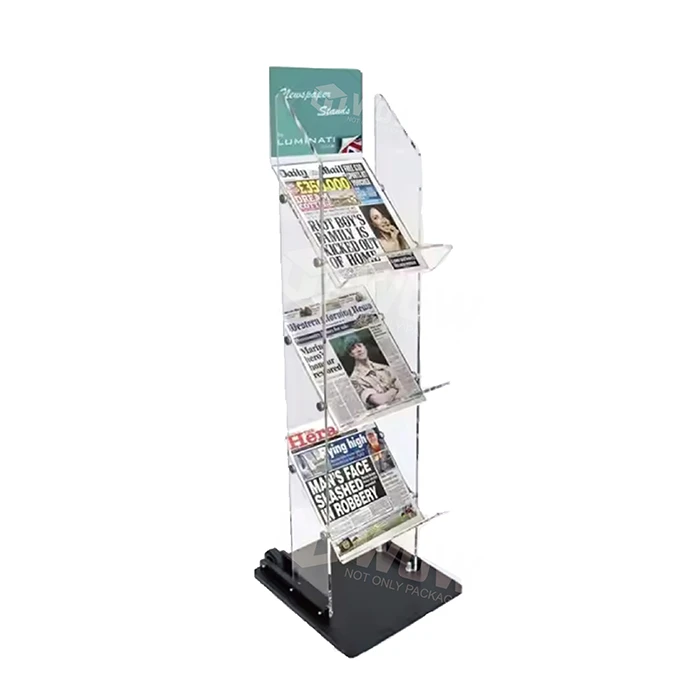
Pairing boxes with an acrylic greeting card display or acrylic magazine display creates a cohesive look for bookstores, gift shops, and craft stores. The transparency helps colorful prints stand out more.
Electronics & Gadgets
Tech retailers use acrylic because it complements modern product aesthetics. Small gadgets, headphones, smartwatches, and accessories look more premium inside clear boxes.
Comparing Acrylic Display Boxes With Other Display Options
Customers often debate whether acrylic is worth the higher investment, especially compared with cardboard or PVC displays. The answer depends on the environment and expected usage.
Acrylic vs. Cardboard
Cardboard is more affordable and suitable for short-term promotions.
Acrylic lasts longer, looks more premium, and is ideal for permanent displays.
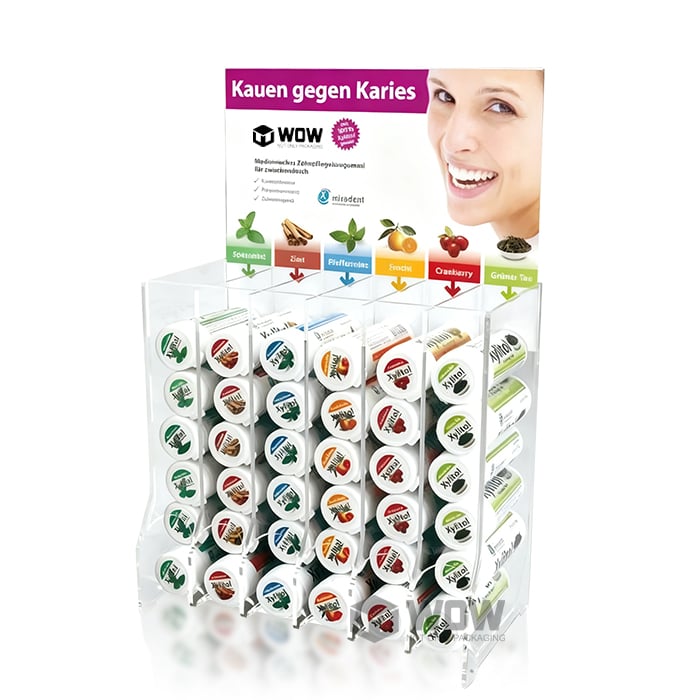
Acrylic Display Racks maintain clarity and structure even after years of use, while cardboard can bend, fade, or warp.
Acrylic vs. PVC
PVC scratches more easily and lacks the same clarity level. Acrylic remains the preferred option for premium merchandise.
Acrylic vs. Glass
Acrylic is lighter, safer, and less prone to shattering while offering similar clarity.
Choosing the Right Acrylic Display Box for Your Store
Buyers often ask what matters most when selecting acrylic display boxes. The following factors influence durability, clarity, and long-term value:
Thickness of the acrylic sheet - 3mm for small boxes, 5–8mm for larger units
Bonding quality - UV bonding creates cleaner joints that last longer
Edge finishing - diamond-polished edges indicate higher craftsmanship
Load capacity - essential if the box sits on acrylic tiered shelves
Compatibility with existing fixtures - such as an acrylic display stand or display rack acrylic setup
Retailers who match their acrylic boxes with existing acrylic fixtures typically achieve a more harmonious store layout.
Practical Considerations: Durability, Maintenance & Cost
Acrylic display boxes are generally low maintenance. A microfiber cloth and mild cleaner keep surfaces clear. However, buyers should understand cost differences:
Higher-grade acrylic (optical clarity) costs more
UV bonding and polishing increase labor time
Customization-printing, engraving, or color tinting-can raise the price 10–30%
Despite this, acrylic boxes offer one of the best long-term ROI options because they elevate product value and last significantly longer than temporary display solutions.
FAQs;
1. Why are acrylic display boxes more expensive than other display materials?
Acrylic requires high-clarity raw materials, precision cutting, and skilled polishing. These processes increase cost but also result in better durability and visibility.
2. Can acrylic display boxes be customized for unique product sizes?
Yes. Retailers often request custom dimensions, UV printing, or special inserts, and manufacturers can adjust boxes to fit jewelry, cosmetics, electronics, and more.
3. Are acrylic display boxes safe for high-traffic retail environments?
High-grade acrylic is impact-resistant and lightweight, making it safer than glass. This makes it suitable for busy retail counters.
4. How should acrylic display boxes be cleaned to avoid scratching?
Use mild soap and a microfiber cloth. Paper towels or alcohol-based cleaners can cause fine scratches or reduce clarity.
5. Do acrylic boxes work well with other retail fixtures?
Yes. They are commonly paired with Acrylic Display Racks, acrylic tiered shelves, and any acrylic display stand to create a unified, modern display layout.