











Before they read the ingredients, compare the price, or open the box, they have already formed an impression from the packaging. The color, shape, material, logo placement, printing quality, and even the way the box feels in hand all send signals.
Some signals say "premium."
Some say "natural."
Some say "cheap."
Some say "trustworthy enough to try."
That is the psychology of packaging.
For brands planning custom packaging, the question is not only how to make a box look attractive. A good package should help consumers notice the product, understand it quickly, trust the brand, and feel that the product is worth choosing.
This matters whether the product is sold in a retail store, displayed on a counter, delivered through e-commerce, or given as a gift. The best custom packaging boxes do more than hold the product. They shape the first moment between the brand and the customer.
What Is Packaging Psychology?
Packaging psychology is about how packaging design affects consumer attention, trust, perceived value, emotion, and buying decisions.
It is not only about color. Color matters, but so do structure, material, typography, logo size, printing quality, surface finish, and the amount of information on the box.
A kraft paper box may feel simple and natural. A rigid box with foil stamping may feel more premium. A clean white skincare carton may suggest softness and care. A crowded box with too many claims on the front panel can make the product feel cheaper, even when the product itself is good.
When brands develop product packaging boxes, they are not only choosing paper, size, and printing. They are deciding what consumers will believe before they touch the product.
What Consumers Notice First
Most consumers do not study packaging carefully at first. They scan. They compare. They react.
On a retail shelf, the first response often comes from visual contrast: color, shape, logo, product image, and the front panel layout. In e-commerce, the first response may come from the product photo, box design, and perceived quality of the packaging.
Color and Visual Contrast
Color helps a product enter the consumer's attention. But color does not work in isolation.
A bright red or yellow package may work well for snacks, promotions, or fast-moving products. A soft pastel palette may fit skincare, wellness, or baby products. Black, deep green, navy, or metallic details can support a more premium gift feeling. Kraft brown with green accents often suggests natural, eco-style, or handmade products.
The right color depends on the product category, target customer, shelf environment, competitor packaging, and brand position. For retail packaging boxes, color should answer one practical question: will the right customer notice this package in the place where it is actually sold?
Shape and Box Structure
Consumers also respond to shape, even if they do not consciously think about it.
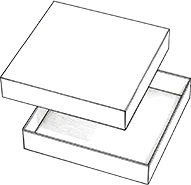
A standard folding carton feels familiar and practical. A drawer box feels more like a gift. A cylinder box can make tea, wine, candles, or cosmetics feel more special. A rigid box suggests protection and value. A window box creates transparency and lets the product sell itself.
This is why custom structure matters in custom packaging boxes. A skincare set placed in a rigid box with a fitted insert may feel more valuable than the same product packed loosely in a thin carton. The structure should match the product's price, use, and selling environment.
Logo Placement and Brand Recognition
Logo placement affects how quickly people recognize the brand.
For custom packaging boxes with logo, bigger is not always better. Premium packaging often uses smaller, cleaner logo placement. Promotional packaging may need stronger brand visibility. Retail packaging usually needs the logo on the main front panel, where customers can see it quickly.
If boxes are stacked, the side panel may need branding. If the product is photographed for e-commerce, the front panel should be clear. If the box opens from the top, a logo on the lid can improve the gift experience.
What Makes Packaging Feel Trustworthy
Trust is often built through small signs. Consumers may not know the exact paper grade or printing method, but they notice when a box feels flimsy, when colors look dull, when information is hard to read, or when the packaging does not match the product price.
Clear Product Information
A package should help consumers understand the product quickly. The front panel should not carry every detail. It should usually answer the most important questions: what is the product, who is it for, what is the main benefit, and why should someone choose it?
Other details can move to the side or back panel: ingredients, instructions, barcode, specifications, warnings, usage steps, or brand story. Clear packaging reduces hesitation. Confusing packaging creates work for the buyer.
Print Quality and Finishing
Consumers often connect print quality with product quality. If the color looks unstable, the logo is not sharp, or the finishing feels rough, people may assume the product is also lower quality.
Matte lamination can feel soft and modern. Gloss lamination can make colors brighter. Foil stamping can create a premium highlight. Embossing and debossing add touch. Spot UV can guide attention to a logo or product name. Still, finishing should support the brand position, not simply make the box look expensive.
Material and Hand Feel
The moment a consumer picks up a box, the material starts speaking. A thin box can make a product feel low value. A stable paperboard box can feel reliable. A rigid board box can feel premium and protective. Kraft paper can feel honest and natural.
Material affects perceived quality, product protection, shelf presence, and shipping performance. The choice should match the product weight, retail price, display method, and customer expectation.
What Makes Packaging Feel Worth Buying
Packaging does not only attract attention. It also helps consumers decide whether the product is worth the price. A box can make a product feel more thoughtful, more giftable, more trustworthy, or more aligned with a lifestyle.
Premium Cues Consumers Recognize
Premium packaging is not simply black paper and gold foil. Consumers respond to balance: clean printing, accurate folds, strong material, controlled logo placement, neat inserts, and consistent finishing. The goal is not to add every finishing option. The goal is to make the package feel intentional.
Personalised Packaging and Brand Story
Personalised packaging boxes do not always mean printing each customer's name. For brands, personalisation can mean a limited-edition sleeve, a branded insert card, a product story inside the lid, a seasonal graphic, or a message that fits the brand voice. These details make the package feel less generic.
Unboxing Experience
Unboxing is the second impression. A good opening experience can make the product feel protected, organized, and worth the purchase. This does not mean every product needs ribbon, tissue paper, or magnetic closure. But the opening should feel smooth and appropriate.
How Retail Packaging Works on the Shelf
Retail shelves are busy. Consumers compare quickly. That is why retail packaging boxes must do more than look attractive in a design file. They need to work in the real selling environment.
A retail box should be readable from the expected viewing distance. The product type should be clear. The brand should be easy to recognize. Key benefits should be visible without forcing the shopper to turn the box around immediately.
Common Packaging Design Mistakes That Reduce Consumer Response
Too Much Information on the Front Panel
Many brands want the front panel to say everything. It rarely works. Too much information makes the package harder to scan. Consumers need a clear starting point.
Logo Placement That Does Not Match Display
A logo may look good in the design file but disappear in store. If the box is stacked sideways, the side panel may need branding. If the package sits in a display tray, the lower front area may be hidden.
Premium Finish Used on the Wrong Product
Foil stamping, embossing, spot UV, and textured paper can improve packaging, but they do not automatically make a product more desirable. Good packaging design knows when to stop.
Weak Material for a Heavy Product
Consumers notice when packaging feels too weak for the product. Material should match the product weight and expected handling, especially for product packaging boxes that need both presentation and protection.
Packaging That Looks Good Online but Fails in Store
Some packaging looks excellent on a screen but weak in retail. The text may be too small, the logo may lack contrast, or the main benefit may not be visible from a distance.
How Brands Should Plan Custom Packaging Around Consumer Response
Packaging psychology becomes useful only when it turns into practical packaging decisions.
Before developing custom packaging boxes, brands should prepare more than a box size. The packaging supplier should understand what the product is, where it will be sold, how it will be displayed, how it will be opened, and what the customer should feel when holding it.
| Planning Point | Why It Matters |
|---|---|
| Product category | Decides visual style and material direction |
| Target customer | Affects color, message, and finish |
| Retail or e-commerce use | Changes structure and protection needs |
| Logo visibility | Supports brand recognition on shelf and online |
| Product weight | Determines box strength and protection |
| Unboxing expectation | Affects insert, closure, and inner printing |
A packaging supplier should not only ask for dimensions. They should also review the product fit, material choice, printing method, logo placement, surface finishing, insert design, and shipping condition.
For printed packaging boxes, the artwork and structure should be checked together. For retail packaging boxes, the shelf view matters. For custom packaging boxes with logo, the logo should work across the front, side, top, and inside surfaces if needed.
Planning Custom Packaging Boxes?
WOW Packaging can help review your box structure, paper material, logo placement, printing method, finishing, insert design, and production feasibility before sampling.
Final Thoughts
Consumers respond to packaging through a mix of visual, tactile, emotional, and practical signals.
They notice color and contrast. They judge shape and structure. They trust clear information and good printing. They feel value through material, finishing, and hand feel. They remember packaging when the opening experience feels right.
The best packaging does not only decorate a product. It helps consumers understand why the product is worth choosing. For brands, custom packaging should connect design with real production decisions: box structure, paper material, logo placement, print quality, surface finishing, insert design, shelf presentation, and shipping protection.
FAQ
What is packaging psychology?
Packaging psychology studies how packaging design affects consumer attention, trust, perceived value, emotion, and buying decisions. It includes color, shape, material, logo placement, information layout, printing quality, and opening experience.
How does packaging affect consumer buying dcisions?
Packaging affects buying decisions by shaping first impressions. Consumers may respond to the package's color, material, structure, clarity, logo, shelf visibility, and hand feel before they fully understand the product.
Why is custom packaging important for brands?
Custom packaging helps brands create packaging that matches product positioning, customer expectations, retail display needs, and brand identity. It can make the product easier to notice, understand, and trust.
Do custom packaging boxes with logo increase brand recognition?
Yes, custom packaging boxes with logo can improve brand recognition when the logo is placed clearly and matches the packaging structure. Logo size, position, contrast, and shelf direction all matter.
What makes product packaging boxes look premium?
Premium product packaging boxes usually combine strong material, clean printing, refined finishing, controlled logo placement, a suitable box structure, and a good product fit. It is not only about adding foil or special effects.
Are printed packaging boxes better for retail products?
Printed packaging boxes can improve shelf visibility and brand communication when the design is clear, well printed, and suitable for the retail environment.
What is the difference between retail packaging boxes and e-commerce packaging?
Retail packaging boxes focus more on shelf visibility, product comparison, and quick brand recognition. E-commerce packaging focuses more on shipping protection, unboxing experience, and safe delivery.
How should brands choose packaging colors?
Brands should choose packaging colors based on product category, target customer, brand positioning, shelf environment, and competitor packaging. Color should support recognition and emotion, not just personal preference.