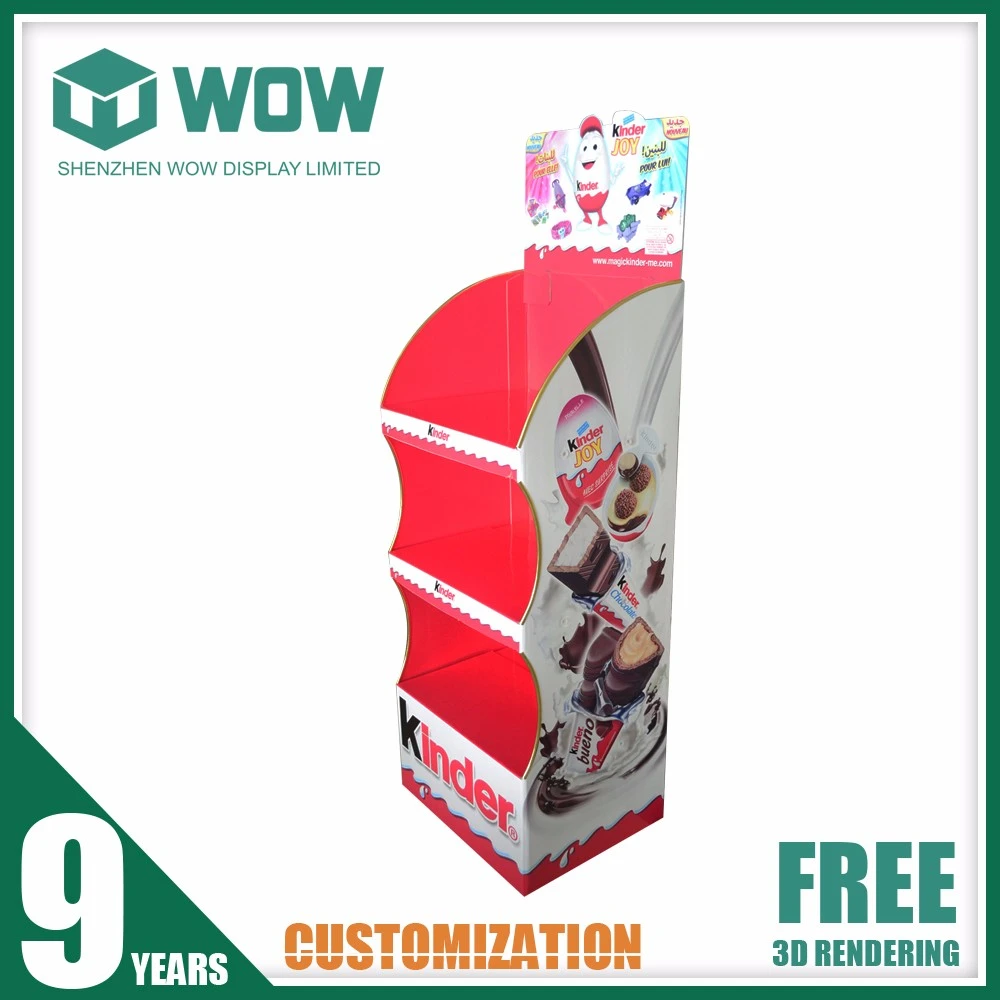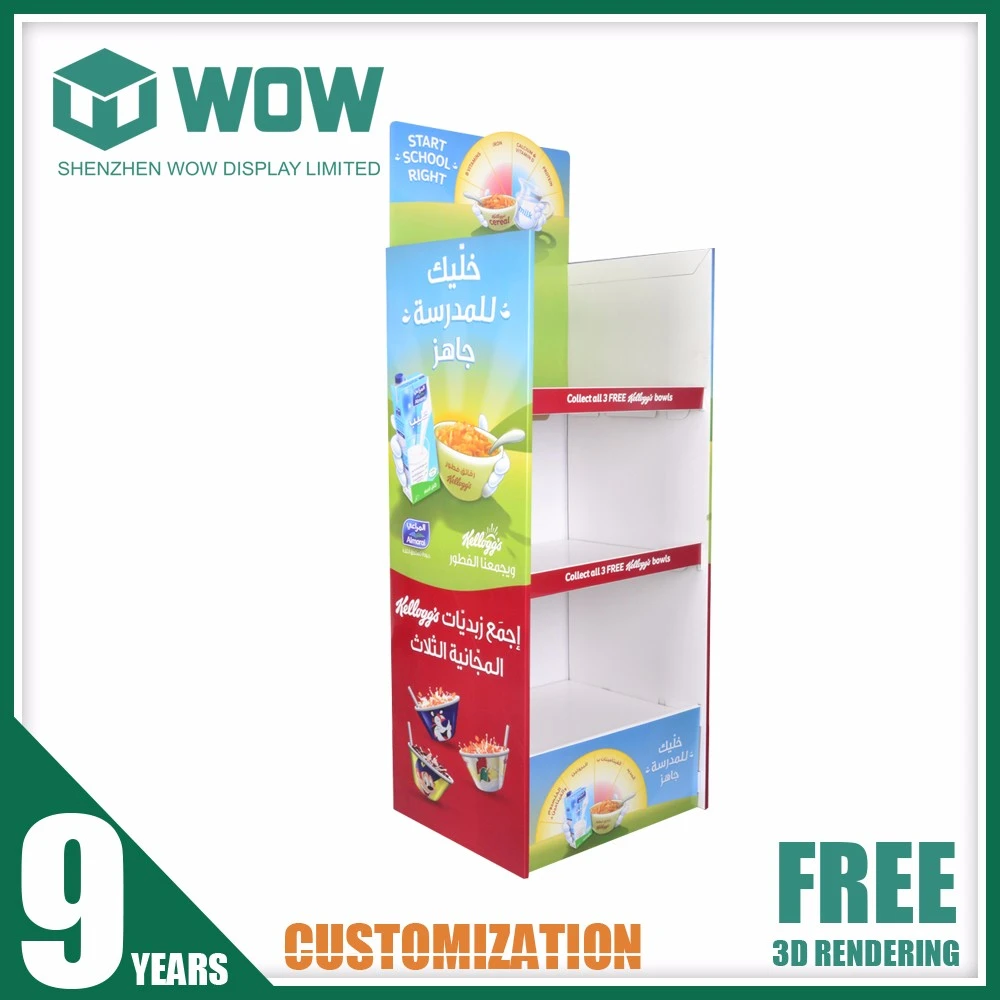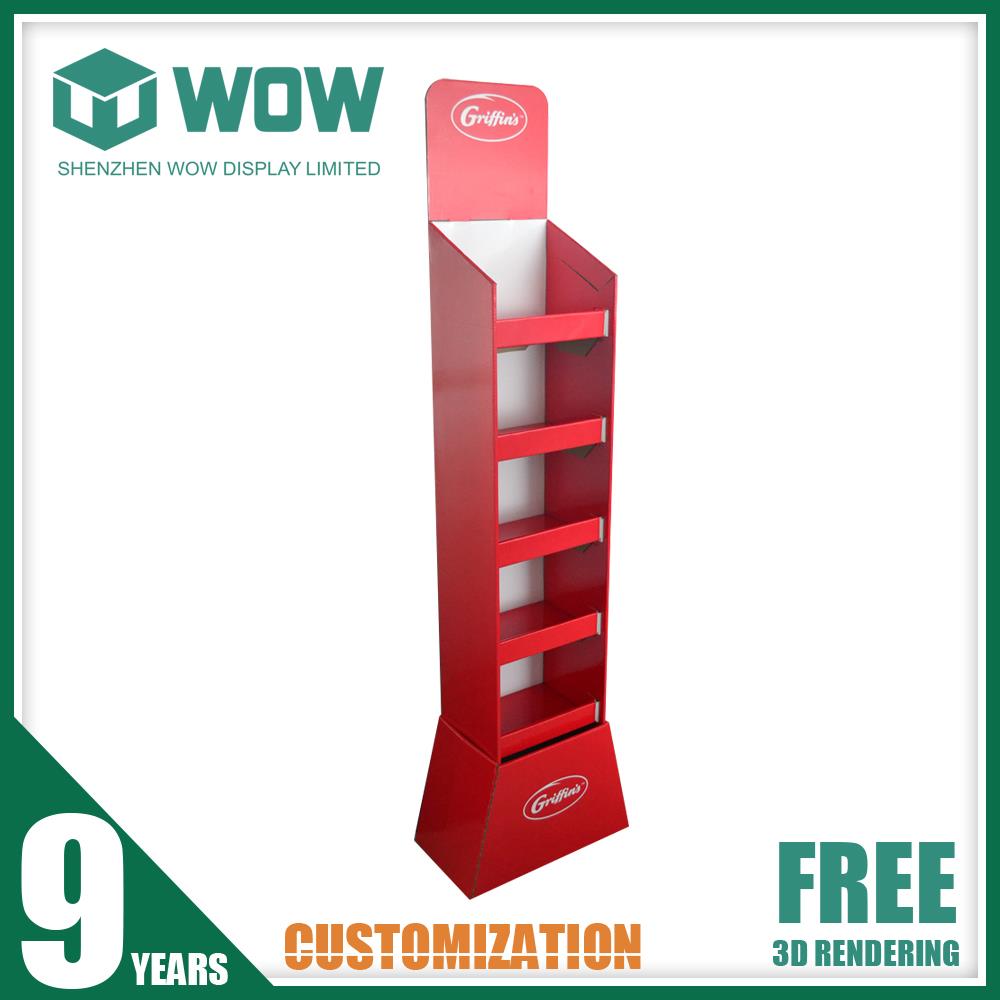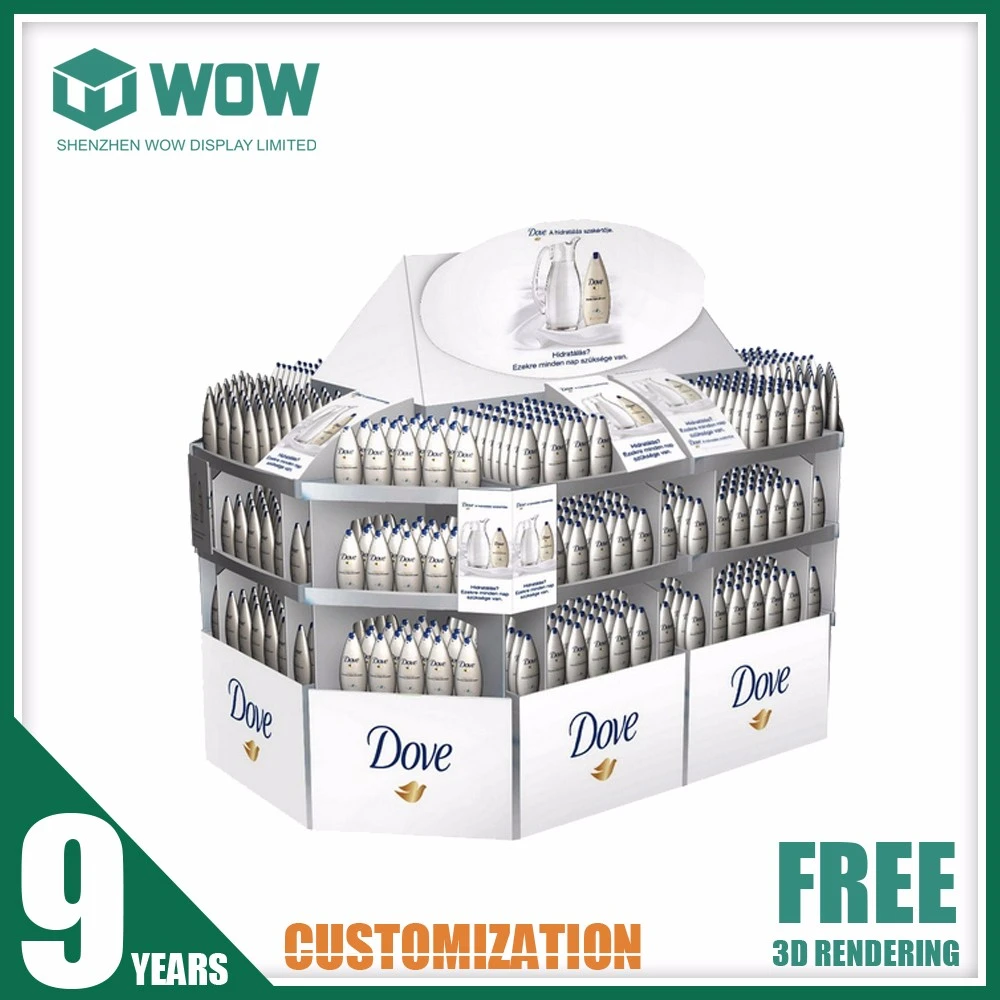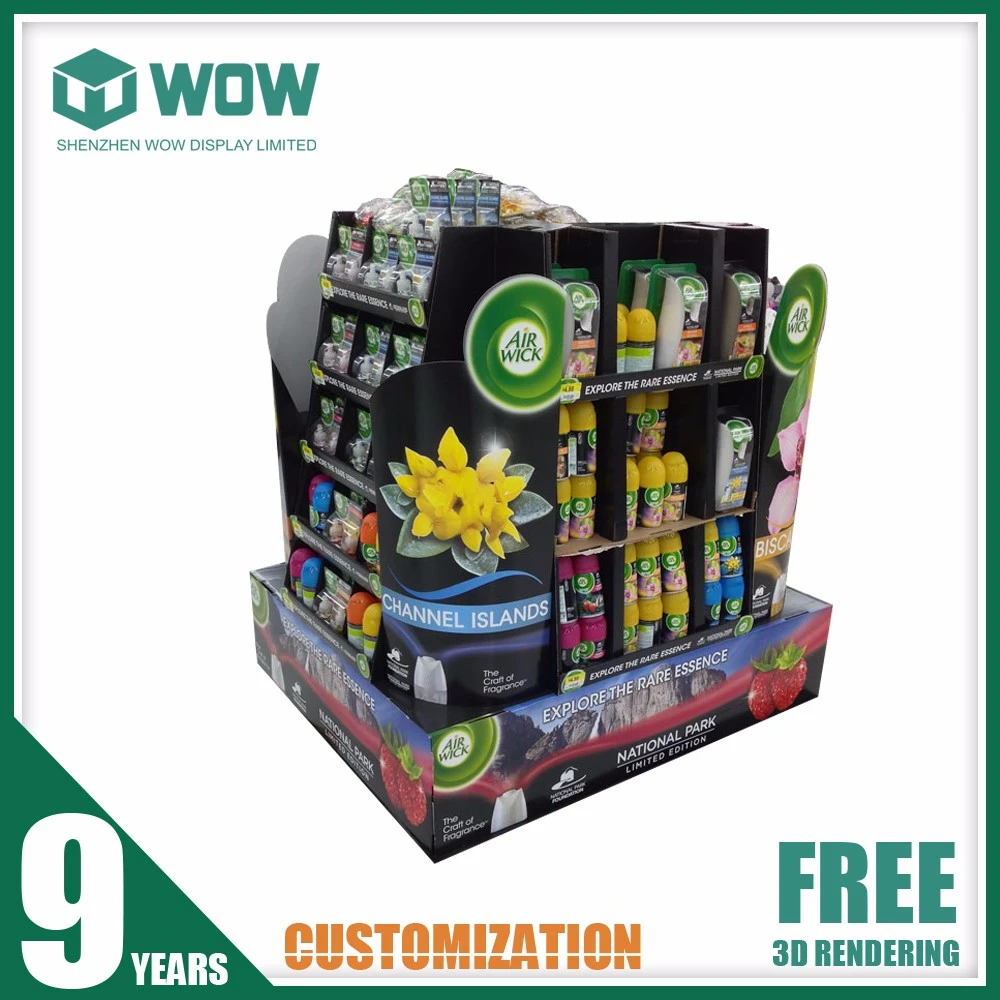







In modern retail environments, brand owners and distributors are looking for low-cost, fast-deployment solutions that improve product visibility without increasing store labor. This is exactly where paper-based merchandising systems-such as a cardboard display rack, cardboard shelf stand, or cardboard point of sale display-play a critical role at the terminal store level.
Paper display shelves evolved alongside the rise of POP advertising in Europe and the United States, where cardboard shop displays became standard across FMCG, cosmetics, beverages, snacks, and seasonal promotions. Their adoption grew because they solved real problems: limited floor space, short promotional cycles, and the need for high-impact visuals at a low investment. Today, these displays are increasingly used by global retail chains and are growing rapidly in Asian markets as well.
Below is a comprehensive look at why paper displays matter, what business problems they solve, and why more brands are turning to professional cardboard display suppliers for custom retail solutions.
Communicating New Product Launches More Effectively
Terminal stores move quickly. When a new SKU enters the shelf, it competes against hundreds of similar options. Paper displays improve launch visibility by:
- Providing a standalone branded zone
- Delivering clear product information at eye level
- Creating a strong visual break from the surrounding assortment
Studies from multiple retail chains show that new products placed on cardboard retail display stands gain 20–30% more attention compared to only being placed on standard shelves. These displays visually announce "something new," making it much easier for shoppers to notice and try the product.
Driving Store Traffic and Increasing Impulse Purchases
Over two-thirds of purchases in supermarkets and convenience stores are impulse decisions. That means retail success heavily depends on how effectively brands attract shoppers as they walk by.
A well-designed cardboard shelf stand catches attention with:
- Bold print colors
- Custom shapes or cutouts
- Strategic placement near aisles, entrances, or checkout areas
When the display is positioned correctly, it serves as a silent traffic magnet, pulling customers toward the product section and increasing store visitation around promotional zones.
Standing Out From Competitors Inside the Store
Shoppers often feel overwhelmed by countless options on traditional shelves. This is where the creativity of POP engineering matters. A custom-made cardboard display shipper (also known as a shipper display pallet) can deliver:
- Tiered shelves for visibility
- Large branding areas
- Product segmentation for clear SKU comparison
- Interactive design features
These elements create a distinct brand area that helps customers quickly understand the product and make confident choices. Retailers often report that premium-looking paper displays contribute directly to improved brand perception inside the store.
Encouraging the Final Purchase Decision
The role of POP is not only to attract attention-it must also guide customers toward making the final buying decision. A well-structured cardboard point of sale display typically includes:
- Simple product education
- Highlighted benefits or price points
- Quick-grab packaging layout
- Easy one-hand pickability
By combining these functional elements, the display reduces hesitation and speeds up the decision-making process. For short-term promotions, this is especially important because it maximizes conversion within a limited time window.
Acting as a "Silent Salesperson" When Staff Are Busy
Retail floors are often understaffed. During rush hours, customers have no time to ask questions. A paper display becomes a frontline salesperson:
- It communicates product features continuously
- It keeps the presentation organized
- It helps customers self-navigate the product information
- It reinforces brand messages without needing human assistance
Retailers often describe these displays as "always-on sales units" because they independently guide customers toward purchase without requiring additional labor.
Creating a Stronger Promotional Atmosphere
Seasonal campaigns such as Christmas, Valentine's Day, Summer Sales, or Back-to-School require high-impact decor. Paper displays are ideal for these temporary, thematic environments because they can be:
- Printed with festive graphics
- Designed in unique shapes or seasonal icons
- Placed at entrances or high-traffic paths
This creates an immersive store experience, encourages festive buying behavior, and helps brands secure more promotional real estate during peak periods.
Enhancing Corporate Image and Brand Memory
A well-executed cardboard display rack acts as part of the brand's visual identity inside the store. For brands that rely heavily on POS marketing-beverage companies, snack brands, cosmetics, small appliances-these displays serve as:
- A visual extension of corporate color and typography
- A branding anchor within a crowded retail setting
- A consistent communication tool across multiple stores
Long-term retail partners often request the same display structure throughout the year to maintain brand recognition and message consistency.
Why Brands Prefer Paper Displays: Cost, Sustainability, and Flexibility
Paper display solutions offer advantages that other materials cannot match:
- Lightweight for easy transportation
- Quick assembly without tools
- Lower production cost compared to metal or acrylic
- Eco-friendly, recyclable materials
- Fast prototyping for limited-time promotions
- Customizable printing in small or large quantities
These benefits explain why global brands treat paper displays as standard equipment across retail channels.
FAQ:
1. How durable are cardboard display racks for heavy products?
A well-engineered cardboard retail display stand can hold 10–30 kg per shelf depending on the structural design and material strength. Professional suppliers test weight-bearing capacity before mass production.
2. Can cardboard shop displays handle humid environments?
Yes. Most displays use coated or laminated surfaces to resist moisture during transportation and in-store use. Additional waterproofing options are available for beverages or refrigerated zones.
3. What is the usual lead time for custom cardboard displays?
For custom designs, prototype samples require 2–5 days. Mass production typically takes 10–15 days depending on printing style and order quantity.
4. Are cardboard point of sale displays environmentally friendly?
They are made from recyclable corrugated board, making them compliant with most sustainability requirements for retail and FMCG brands.
5. How do I choose a reliable cardboard display supplier?
Look for suppliers with full in-house production (design, printing, die-cutting, assembly) and verifiable case studies. This ensures consistent quality, competitive pricing, and faster lead times.