









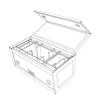



As sustainability becomes a driving force in consumer behavior and corporate responsibility, the retail industry is undergoing a significant transformation. Traditional point-of-sale (POS) displays made from plastic and metal are increasingly being replaced by cardboard alternatives. These eco-friendly solutions not only reduce environmental impact but also offer businesses a cost-effective and versatile option.

Why Cardboard Is Leading the Change
Cardboard displays stand out for their environmentally friendly properties. Cardboard is a renewable resource, primarily sourced from wood, which can be sustainably managed through responsible forestry. Its manufacturing process requires less energy, and its biodegradable nature means it breaks down naturally after disposal, posing no long-term threat to the environment.
Moreover, the lightweight nature of cardboard display stands makes them easier to transport and assemble. Compared to plastic and metal displays, cardboard displays reduce fuel consumption and carbon emissions during shipping, further minimizing environmental impact. Retailers benefit from simplified installation and dismantling processes, saving time and labor costs.
Another key advantage of cardboard displays is their high degree of customization. Brands can design cardboard retail display stands in various shapes, sizes, and colors to match product specifications and marketing goals. This flexibility allows retailers to create eye-catching point of sale cardboard display stands without relying on environmentally harmful materials. As engineering technology advances, modern cardboard displays are also becoming more durable and structurally sound, capable of supporting a wide range of products in retail environments.
Environmental Benefits of Cardboard POS Displays
Globally, environmental protection has become a priority for governments and society. The retail industry, which closely interacts with daily consumer life, is actively seeking sustainable development paths. Cardboard POS displays play a vital role in this transition.
Cardboard's recyclability is a major environmental benefit. Discarded cardboard displays can be recycled into new cardboard or other paper products. This reduces the need for virgin material extraction and lowers landfill waste. According to studies, recycling one ton of cardboard can save 17 trees, 7,000 gallons of water, and 4,600 kWh of electricity. By using cardboard retail display stands, the retail industry can make significant contributions to environmental protection.
The biodegradability of cardboard further reduces its environmental impact. In natural conditions, cardboard decomposes quickly, minimizing pollution to soil, water, and air. Lightweight cardboard displays also help reduce carbon emissions during transportation. Lighter displays lower energy consumption for delivery vehicles, reducing greenhouse gas emissions and contributing to global climate change mitigation. Through the use of lightweight POS displays cardboard, retailers can reduce their carbon footprint and support global emission reduction goals.
Cost-Effectiveness and Business Advantages
In addition to environmental benefits, cardboard POS displays offer notable cost advantages and practical value for businesses. In the highly competitive retail market, cost control is a critical factor for survival and growth. Cardboard displays have relatively low production costs, and their lightweight design reduces shipping and storage expenses. Compared to plastic and metal alternatives, cardboard displays offer cost savings at every stage-raw materials, manufacturing, and logistics.
From a functional perspective, cardboard displays' high customizability allows businesses to showcase their creativity. Brands can develop unique promotional cardboard displays tailored to different products or campaigns, enhancing brand image and consumer appeal. This customization improves conversion rates and delivers greater economic returns.
Durability and Innovation in Cardboard POS Displays
New cardboard materials now feature improved strength and resilience, making them suitable for various retail display needs. Advanced manufacturing techniques such as lamination and reinforcement greatly increase the load-bearing capacity of cardboard displays. High-end displays can even hold heavier items like electronics and household appliances.
Furthermore, modern cardboard display stands are designed with added resistance to water, humidity, and fire. These features enhance durability, making them viable for different retail environments. Cardboard displays can now support a wide array of products, including food, cosmetics, and consumer electronics.
Innovation is also reshaping the cardboard display landscape. Designers leverage cardboard's versatility to create unique structures and presentation formats. Some displays use foldable designs for easy transport and storage, while others adopt modular systems that can be rearranged as needed. Additionally, creative cardboard retail display stands often incorporate lighting, sound, or interactive elements, enriching the customer experience and drawing attention on the retail floor. These innovations increase the functionality and marketing potential of cardboard POS displays.
The Future of Sustainable POS Displays
The trend toward sustainability in retail is expected to continue, and cardboard displays will play a central role. Emerging technologies are enhancing cardboard displays, integrating features like QR codes and interactive elements to engage shoppers. These tech-enabled displays offer new ways for brands to connect with consumers while maintaining an eco-conscious footprint.
As environmental regulations become stricter, businesses using sustainable display solutions like cardboard will be better positioned to comply with new standards and meet customer expectations. The versatility and innovation of cardboard ensure it will remain a preferred material in future retail marketing strategies.
Cardboard POS displays offer both environmental responsibility and commercial benefits. Their eco-friendly nature, cost efficiency, and design flexibility make them ideal for modern retailers. By adopting cardboard displays, businesses can reduce their environmental impact, attract eco-conscious consumers, and maintain a competitive edge in the market.
With continued innovation and a growing demand for sustainable retail solutions, cardboard is set to remain at the forefront of POS display evolution. Investing in cardboard promotional displays is not just a green choice-it's a smart business decision.