










In today's highly competitive market, the importance of brand display and product promotion is self-evident. Printing technology, as an important means of brand communication, has always been the focus of attention of brands, distributors and manufacturers. Offset printing and digital printing, as the two major printing technologies, each has its own unique advantages and application scenarios. However, in recent years, offset printing has still maintained a high popularity in many fields. This article will explore in depth the advantages of offset printing and its unique value in specific uses and display rack types.
Basic Principles of Offset Printing and Digital Printing
What is Offset Printing?
Offset printing is a lithographic printing technology. Its principle is to transfer the image to the rubber blanket through the metal printing plate, and then transfer the image to the substrate by the rubber blanket. This indirect transfer method enables offset printing to achieve high-precision and high-fidelity printing effects. Offset printing is particularly suitable for large-scale, high-precision printing needs, and can provide delicate images and accurate color reproduction.
Principles of Digital Printing
Digital printing is a direct printing technology that prints digital images directly onto the substrate without plate making. The advantage of this technology is small-batch, personalized printing, which can quickly respond to customer needs and is suitable for a rapidly changing market environment.
Five Advantages of Offset Printing
High-Quality Printing Effect
Offset printing can achieve high-resolution and high-fidelity printing, and is particularly suitable for printing fine graphics and color pictures. This high-quality printing effect can significantly enhance the brand image and enhance consumers' trust in the brand. In contrast, digital printing still has shortcomings in color reproduction and image details, especially when printing in large quantities, it is difficult to achieve the accuracy and quality of offset printing.
Significant Cost-Effectiveness
Offset printing has a lower unit cost when printing in large quantities. Although the initial platemaking cost of offset printing is high, the unit cost will be significantly reduced as the number of prints increases. For example, when printing a large number of promotional posters or packaging boxes, the cost advantage of offset printing is particularly obvious. Although digital printing does not require platemaking, its cost will rise rapidly when printing in large quantities, making it difficult to compete with offset printing.
Wide Material Adaptability
Offset printing can be applied to a variety of materials, including cardboard, plastic, metal, etc. This wide material adaptability enables offset printing to meet the packaging and display needs of different products. In contrast, digital printing has high requirements for the flatness and surface properties of the material, which limits its application on certain materials.
Environmental Protection and Sustainability
Modern offset printing technology has made significant progress in environmental protection. Many offset printing inks use water-based or UV curing technology, which reduces the emission of volatile organic compounds (VOCs). This environmentally friendly feature makes offset printing more advantageous in meeting the requirements of sustainable development and meets the strict environmental protection requirements of European and American brands.
High Production Efficiency
Offset printing equipment has high-speed continuous printing capabilities and is suitable for high-volume production. In large-volume orders, offset printing has much higher production efficiency than digital printing. For example, an offset printing machine can complete the printing of a large number of packaging boxes in a short time, while a digital printing machine takes longer to process the same order.
Best Uses for Offset Printing
Display Rack
cardboard display stands require high visual quality and durability, with clear graphics and long-lasting color presentation. Offset printing can meet these requirements and provide high-quality printing results. Whether it is a temporary display stand for promotional activities or a long-term product display stand, offset printing can ensure clear graphics, bright colors and durability, enhancing the brand image in the minds of consumers.
Package Box and Labels
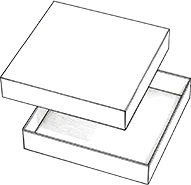
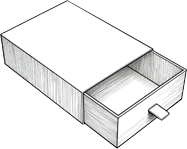
packaging boxes and labels are an important part of brand image. Offset printing can provide high-quality printing results to enhance the overall image of the product. Whether it is food packaging, cosmetic packaging or electronic product packaging, offset printing can ensure the accurate presentation of brand elements and enhance consumers' desire to buy.
Posters and Brochures
Posters and brochures require attractive visual effects to attract target audiences. The high resolution and color reproduction capabilities of offset printing make it an ideal choice for these applications. High-quality printing results ensure the clarity of images and text to enhance the promotional effect.
Commercial Advertisements and Leaflets
Commercial advertisements and leaflets require the rapid and efficient production of large numbers of copies. Offset printing's high-speed continuous printing capabilities enable it to meet these needs. Complete a large number of printing tasks in a short period of time to ensure that advertisements can be put on the market in a timely manner and enhance market competitiveness.
Limitations of Digital Printing
The Balance Between Quality and Cost
Digital printing performs well in small batches and personalized printing, but its cost is too high when printing in large quantities. In addition, digital printing still has shortcomings in color reproduction and image details, and it is difficult to compete with the high precision and high quality of offset printing. This balance between quality and cost limits the application of digital printing in certain fields.
Production Efficiency Challenge
Although digital printing is fast, it cannot compare with the high-speed continuous printing of offset printing in long-run printing. For example, when printing a large number of packaging boxes or promotional posters, digital printing machines take longer to complete the task, resulting in low production efficiency. This efficiency bottleneck makes it difficult for digital printing to compete with offset printing in large-volume orders.
The Unique Value of Offset Printing in Brand Display
Brand Image Building
High-quality offset printing can significantly enhance the brand image and enhance consumers' trust in the brand. Through delicate images and precise color reproduction, offset printing can ensure the accurate presentation of brand elements and enhance the overall image of the brand.
Market Competitiveness Enhancement
The high cost-effectiveness and high quality of offset printing make it more advantageous in market competition. Offset printing has unique value in meeting the dual needs of European and American brands and channel dealers for quality and cost. By choosing offset printing, brand owners can reduce production costs and enhance market competitiveness while ensuring product quality.
Conclusion
In summary, offset printing has significant advantages in quality, cost, material adaptability, environmental protection and production efficiency. Although digital printing performs well in small batches and personalized printing, offset printing is still the best choice in many fields.
By deeply understanding the advantages and application scenarios of offset printing, companies can better use this technology to enhance their brand image, meet market demand and achieve sustainable development.