










What Is Store Layout?
Store layout refers to the way a retailer arranges products, aisles, checkout areas, and visual merchandising elements within a space. It is more than just organizing shelves - it is a strategic approach that shapes the customer journey, directs traffic flow, and influences purchasing behavior. A well-thought-out store layout integrates functional design with visual storytelling, supported by retail display stands and other merchandising tools that guide shoppers from entry to checkout.
Why Store Layout Matters in Retail
The physical arrangement of a retail environment directly impacts sales performance and customer satisfaction. A poorly designed layout may confuse customers or reduce browsing time, while a strategic layout encourages exploration and discovery. Retailers benefit in several ways:
Increased Sales Opportunities: Effective placement of point of sale display stands ensures impulse buys near checkout.
Improved Brand Identity: Cohesive layouts, supported by custom retail display solutions, communicate brand values and aesthetics.
Efficient Traffic Flow: Clear paths help customers navigate easily, reducing congestion and encouraging longer store visits.
Enhanced Customer Experience: A comfortable layout with engaging retail POS displays makes shopping more enjoyable, which builds loyalty.
Factors That Influence Retail Store Layout
Designing a successful layout is not a one-size-fits-all process. Several variables shape the decision-making:
Store Size & Shape: Smaller stores often rely on cardboard pop up displays for flexibility, while larger retailers invest in modular shelving systems.
Customer Demographics: Younger shoppers may prefer experiential zones and Pop-Up Store concepts, while traditional buyers value clarity and order.
Product Category: Fashion, electronics, and groceries each require distinct display styles, from cardboard retail display stands to permanent fixtures.
Brand Strategy: Retailers positioning themselves as eco-friendly often choose recyclable cardboard displays to align with sustainability goals.
Seasonality: Layouts must adapt to promotional periods, holidays, or product launches, often relying on quick-setup retail POS displays.
Types of Retail Store Layouts
Different industries and retail formats favor specific layout models:
- Grid Layout
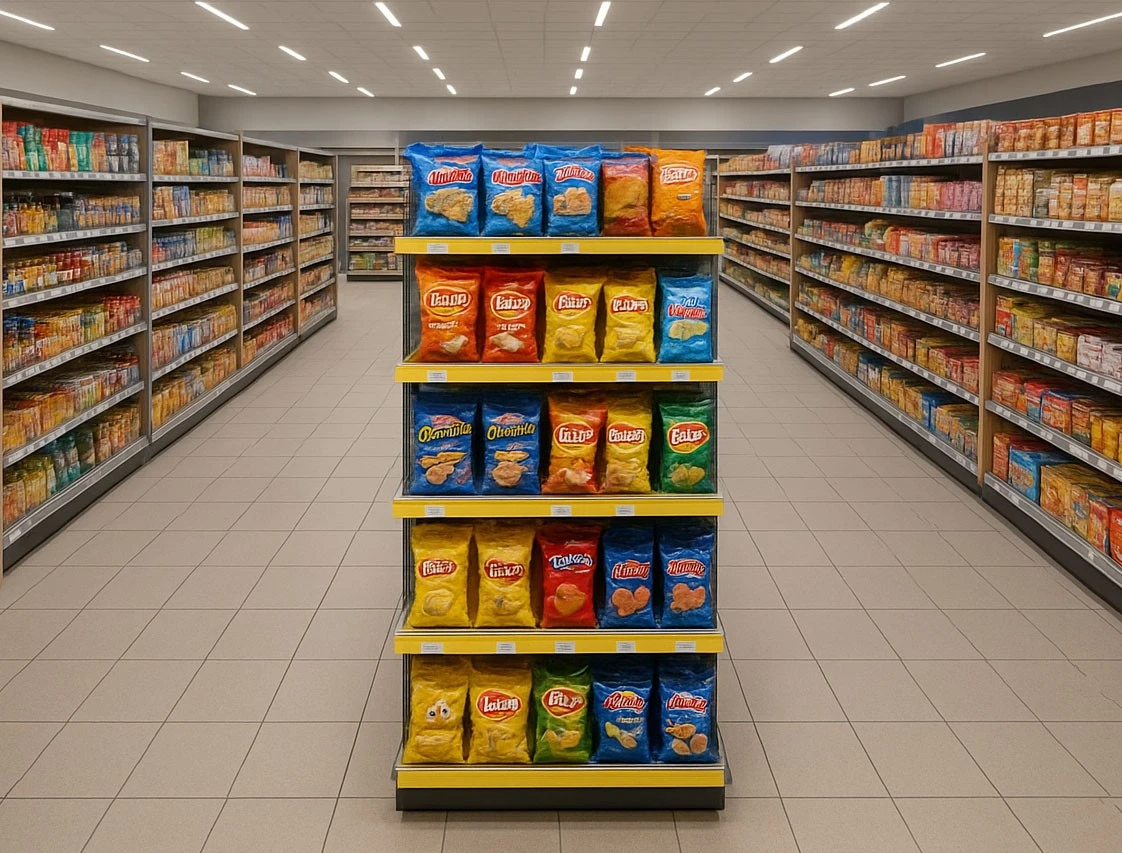
Common in supermarkets, this design maximizes space and efficiency. Shoppers move through aisles systematically, often guided by retail display stands at key intersections.
- Loop or Racetrack Layout
This format creates a path that leads shoppers around the store perimeter. Strategic point of sale display stands at curve points encourage product discovery.
- Free-Flow Layout
Popular in boutiques and lifestyle stores, it emphasizes creativity and browsing freedom. Here, custom retail display solutions highlight storytelling and visual impact.
- Diagonal Layout
By angling aisles, retailers improve sightlines and circulation. Retail POS displays can be positioned at diagonal entry points to capture attention.
- Pop-Up Store Layout
Temporary retail concepts rely heavily on cardboard pop up displays and modular structures. They allow flexibility, fast installation, and brand immersion in a short-term setting.
Effective Retail Store Layout Strategies
To optimize space and improve shopper engagement, retailers can adopt the following strategies:
- Prioritize High-Traffic Zones
Place retail display stands with new arrivals or promotional items in areas customers cannot miss, such as entrances or checkout counters.
- Leverage Cross-Merchandising
Combine related products using custom retail display units. For example, pairing electronics with accessories on cardboard retail display stands increases basket value.
- Use Impulse Zones Wisely
Checkout areas are prime spots for point of sale display stands filled with low-cost, fast-moving goods.
- Incorporate Seasonal Flexibility
Short-term campaigns or holiday promotions benefit from cardboard pop up displays, which are easy to assemble, move, and recycle.
- Enhance the Customer Journey
Think of layout as storytelling. Retail POS displays can introduce collections, guide customers through themes, and close with irresistible offers near the exit.
- Test & Adapt
There is no universal formula. Retailers should test layouts, track dwell time, and adjust retail display stands placement for continuous improvement.
Conclusion
A retail store layout is far more than furniture arrangement-it is a powerful sales tool. By blending design psychology, shopper behavior, and versatile fixtures such as retail display stands, brands can transform ordinary spaces into profitable environments. From permanent setups to flexible Pop-Up Store designs, every retailer has the opportunity to craft a layout that maximizes traffic flow, enhances the customer journey, and drives measurable results.