












Visual Merchandising exists to achieve the goal of marketing. It combines display technology and visual presentation technology with a thorough understanding of commodity marketing to better highlight its product functions and advantages and stimulate customer interest, and display the brand in a unique way.
Key elements of Visual Merchandising:
1. Attracting the eye
When people observe external things, there is always a visual focus point, which we call the focal point. And this focus usually stays on a bright color, unique shape, clear outline, integrity and easy to understand image.
2. Arousing interest
If we are attracted by an object and find it boring after studying it, the object will lose its value. Therefore, an excellent design scheme can not only attract customers' attention with novelty, strangeness and uniqueness, but also allow customers to discover its connotation and understand its culture, thereby achieving the function of arousing interest.
3. Blank space: Give shoppers breathing space
Few customers like to walk through a store full of goods. In contrast, blank space can help shoppers relax and enjoy the atmosphere of the store. Blank space encourages merchants to emphasize products related to the theme by using harmless brand elements. Visual marketers restrain themselves to ensure a simple aesthetic, so the retail narrative runs through it clearly.
4. Spread brand culture
Vision is a silent language. Spreading its brand culture through vision and guiding the public to deeply understand the brand is the most important part of visual display. When logos, pictures, products, windows, displays, etc. create the consumer mood and mood of the brand, they immediately play a role in inspiring thinking, guiding sales and deepening impressions.
Visual Merchandising Marketing Approach
- Store Design: An organized layout, clear signage, and strategic product placement enhance the shopping experience.
- Window Displays: Creative and themed window displays can attract attention and draw customers into the store.
- Shelf Displays: Shelves with neatly arranged, complementary products can encourage further purchases.
- Mannequin Displays: Using mannequin displays can help customers visually see products in action.
- Online Banners: In the digital realm, visually appealing banners can attract clicks and drive online sales.
Display Types in Visual Merchandising
End Cap Displays: End caps are located at the end of an aisle and are a great place to display featured or promoted products.
Counter Displays: Often placed near the cash register to encourage impulse purchases.
Floor Displays: Freestanding units placed on the sales floor to highlight specific products or promotions.
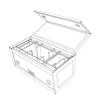
Display Bins: Large capacity, often used to hold bulk items
Benefits of Visual Merchandising
- Enhanced Customer Experience: A well-designed store environment makes shopping more pleasant and efficient.
- Increased Sales: Strategic product displays and promotions can increase conversion rates.
- Brand Reinforcement: Consistent visual elements strengthen brand image and customer loyalty.
- Inventory Management: Effective displays can highlight overstocked items and help with inventory turnover.
Common Roles of Visual Merchandising:
Used to Optimize Retail Store Display: Visual merchandising is a beneficial practice that aims to optimize a store's space and layout to display inventory in the best possible way.
Focused on Highlighting Product Features and Benefits: Marketers plan, design, and display products with the goal of highlighting product features and benefits.
Inspire Customer Interest: Visual merchandising aims to influence customers and encourage them to purchase merchandise and return to the store in the future.
Conclusion
Visual merchandising is a dynamic and essential component of retail strategy. By carefully integrating design elements and understanding consumer behavior, retailers can create engaging shopping experiences that drive engagement and sales.