









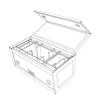



What is a Cardboard Display?
A cardboard display is a point-of-sale (POS) or point-of-purchase (POP) marketing tool commonly used in retail environments to showcase promotional items or new products. These displays are made from thick paper-based material and are prized for their lightweight, cost-effective, and eco-friendly nature.
Cardboard display stands are often placed near store entrances, checkout counters, or promotional aisles. They're highly customizable in terms of shape, print design, and shelf configuration, making them a favorite among brands aiming to boost impulse purchases. Whether it's cosmetics, snacks, books, or seasonal products, cardboard retail display stands offer flexibility and eye-catching appeal that support branding and sales strategies.
What is a Carton Display?
A carton display, sometimes referred to as a product display karton or carton display stand, typically describes a structure made from carton board or folding box board (FBB). Unlike corrugated cardboard used in cardboard displays, carton board is thinner, smoother, and more rigid-ideal for printing vibrant visuals and intricate designs.
Carton displays are used extensively in the packaging of lighter retail products like pharmaceuticals, cosmetics, electronics, and high-end retail goods. These displays can function as countertop units, floor-standing kiosks, or hanging displays. The premium look of a carton display makes it suitable for high-value brand presentation, especially in environments with tight shelf space.
What is the Difference Between Cardboard and Carton Displays?
While the terms "cardboard" and "carton" are often used interchangeably, they refer to distinct materials and use cases, especially in the context of retail displays.
Material Composition:
- Cardboard displays are usually made from corrugated fiberboard, which includes an inner fluted layer sandwiched between two flat linerboards. This construction gives it added strength and rigidity.
- Carton displays are made from carton board, which is a single-ply paperboard material known for its smooth finish and print quality, but with less structural strength.
Structural Durability:
- Cardboard retail display stands are more suitable for heavier products due to their durability and load-bearing capabilities.
- Carton display stands are lighter and best for showcasing smaller or lighter products.
Cost and Production:
- Cardboard displays tend to be more cost-effective for bulk production and temporary campaigns.
- Carton displays may be slightly more expensive due to their premium print finishes and are typically used for more permanent or upscale setups.
Branding & Visual Impact:
- Carton displays excel in sharp print quality and vibrant color reproduction.
- Cardboard displays focus on visibility, volume, and quick assembly but still allow custom graphics and die-cuts.
Sustainability:
Both materials are recyclable. However, cardboard displays made from corrugated material usually have a higher percentage of recycled content, making them more attractive for brands promoting eco-conscious values.
What are Cardboard and Carton Displays Used For?
Both display types serve essential roles in product marketing and retail merchandising, but their applications vary:
Cardboard Display Stands
- Supermarkets and hypermarkets (e.g., snack foods, cleaning supplies)
- Convenience stores and kiosks (e.g., beverages, gum, personal care)
- Trade shows and exhibitions (e.g., samples, leaflets, promotional kits)
- Seasonal promotions (e.g., holiday gifts, back-to-school supplies)
Carton Display Stands
- Pharmacies (e.g., over-the-counter medicine, skincare)
- Electronics stores (e.g., headphones, USB devices)
- Luxury retail counters (e.g., perfumes, watches)
- Health and beauty stores (e.g., facial creams, mascara)
Industry Use Cases and Data
According to recent packaging market studies, more than 60% of consumers say they are more likely to purchase a product if it is presented in a branded retail display. Displays crafted from cardboard or carton materials account for a major share of temporary displays used during product launches and in-store promotions. Brands like L'Oreal, Nestlé, and Unilever regularly employ both cardboard and carton solutions across different retail channels.
Moreover, as e-commerce shifts consumer habits, retail brick-and-mortar stores increasingly rely on creative carton display stands and cardboard retail display stands to deliver immersive, tactile brand experiences that digital channels cannot offer.
Choosing between cardboard and carton displays depends largely on your product weight, branding objectives, budget, and campaign duration. Cardboard display stands are the go-to solution for high-volume, high-traffic settings needing durability and quick assembly. On the other hand, carton display stands shine in premium retail environments where visual precision and elegance matter most.
Whether you're looking to showcase a new line of energy drinks or highlight an exclusive skincare range, understanding the distinction between cardboard and carton can significantly influence your display success.
Ready to design your next eye-catching retail display?
WOW Display specializes in customized cardboard and carton display solutions for global brands. From product display karton to cardboard retail display stands, we help you transform your ideas into engaging in-store experiences.
Let WOW help your brand stand out-one display at a time!