







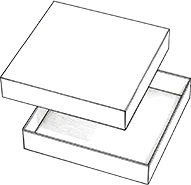
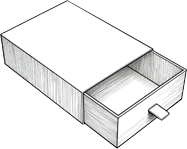



Branded boxes can do much more than carry a logo.
In retail, the most useful branded box is often the one that does two jobs at the same time: it organizes the product and gives the brand more visibility at the point of sale. That is where branded display boxes become different from ordinary packaging.
A standard packaging box is mainly designed to contain or protect a product. A branded display box, however, is meant to be seen. It may sit on a checkout counter, retail shelf, promotional table, or another high-traffic merchandising area where the structure itself becomes part of the product presentation.
That distinction matters.
For brands planning a retail campaign, the real question is not simply, "Should we print our logo on the box?" It is: how should the box help the product perform once it reaches the store?
This guide looks at branded boxes from that retail perspective - how they differ from ordinary packaging, where display boxes work best, which structures are commonly used, and what brands should confirm before developing a custom cardboard display box.
What Is a Branded Display Box?
A branded display box is a retail-facing box or display structure developed around both the product and the brand.
It usually combines several elements:
product holding or organization
visible brand graphics
easy shopper access
a structure designed for a specific retail location
dimensions matched to the actual product
This is what separates branded display boxes from ordinary printed cartons. The print is important, but print alone does not make a box a good retail display.
The structure has to work too.
Branded Packaging vs Branded Display Boxes: What Is the Difference?
Branded packaging is a broad category.
It includes mailer boxes, gift boxes, shipping cartons, product boxes, and many other formats that carry a company's logo, colors, or visual identity. Their main purpose may be protection, delivery, gifting, or presentation.
Branded display boxes are more specific.
They are developed for a physical retail environment where shoppers need to see and access the product. This changes the design priorities.
A retail display box has to answer questions such as:
How many products should be visible from the front?
Will the box sit on a counter or a shelf?
Does the product need a header behind it?
How easy is it to replenish?
Will products tip forward as units are removed?
How much graphic space remains visible when the box is full?
These details may seem small, but they determine whether the box still looks organized after several shoppers have interacted with it.
That is why custom display boxes should be designed around retail use, not simply adapted from normal packaging.
Where Are Branded Display Boxes Used?
Different retail positions require different structures.
Checkout Counters
A branded countertop display works well for compact products that shoppers can understand quickly.
Common examples include:
snacks and confectionery
cosmetics
batteries
small electronics accessories
health products
trial-size items
At checkout, space is limited. A display therefore needs to hold enough stock without becoming visually heavy.
The header, front lip, and side panels can provide branding, while the open product area keeps the items easy to reach.
Promotional Areas
Larger display boxes can also be used on promotional tables, aisle-end areas, or secondary selling zones.
These placements give the brand more freedom because the display does not need to fit tightly into the standard shelf set.
The structure can use a larger header, stronger printed panels, or a more distinctive shape to support a campaign.
What Makes a Branded Display Box Work in Retail?
A good display box should still work after the first few products have been sold.
That sounds obvious, but it is one of the easiest things to miss during design.
A rendering normally shows a perfectly full display. Real stores do not stay that way. Products are removed, restocked, pushed sideways, or placed back incorrectly.
That is why several structural details matter.
Product Fit
The display should be developed around the actual product dimensions.
If the cavity or tray is too wide, packs lean. If it is too tight, staff struggle to refill the unit.
Even small differences in bottle shoulders, pouch thickness, or carton width can affect the result.
Product Facing
The front row should remain readable from the shopper's normal viewing direction.
A custom cardboard display box may therefore use dividers, angled trays, stepped tiers, or other internal structures to keep products properly presented.
Capacity
More stock is not automatically better.
A display that is overloaded may look messy, become harder to browse, or require a stronger material than originally planned.
Capacity should support the promotion without damaging product visibility.
Branding Area
A branded display needs graphics, but the graphics should not fight with the product.
Usually the most useful areas are:
header panel
front lip
side walls
rear panel
The product itself should remain the main selling focus.
Common Types of Custom Display Boxes
There is no single display box structure that works for every product.
Counter Display Boxes
Counter display boxes are compact units designed for counters, desks, checkout areas, or other small selling spaces.
They are a strong choice for smaller products and impulse categories.
PDQ Display Boxes
PDQ display boxes are developed for quick retail setup.
Depending on the program, they may be pre-packed with products before shipping so store staff can place them into position with minimal handling.
They work particularly well for fast-moving packaged products.
Shelf-Ready Display Boxes
Shelf-ready display boxes combine shipping and merchandising functions.
The outer pack is designed so that part of the structure can be removed or opened, leaving the products ready for shelf presentation.
For large retail programs, reducing store-level handling can be just as important as the graphics.
How to Choose the Right Branded Display Box
Start with the product.
Before deciding how the display should look, confirm:
product width, depth, and height
unit weight
number of SKUs
number of units required in the display
packaging orientation
intended retail location
These answers tell the designer much more than a visual reference alone.
Then look at the retail environment.
A box for checkout has different requirements from one used on a supermarket shelf. A promotional display for a two-week launch may also be designed differently from a display expected to remain in-store for several months.
Finally, consider shipping and assembly.
If hundreds of displays are being distributed to different stores, flat-pack efficiency may become important. In other programs, pre-glued or pre-packed delivery may reduce store-level labor.
There is no universal answer. The correct structure depends on the entire program.
Cardboard or Corrugated Board: Which Is Better for Display Boxes?
The words cardboard and corrugated are often used loosely, but they do not always mean the same structure.
Lightweight paperboard can work well for compact countertop boxes carrying small products. It gives a clean print surface and is suitable when the load is modest.
Corrugated board becomes more useful when the display needs additional stiffness, greater depth, or higher product capacity.
For example:
small cosmetics may work well in folding paperboard
heavier bottles may need E-flute or another corrugated structure
a larger floor display normally requires more structural support
The decision should follow load and use conditions rather than appearance alone.
This is also why a physical sample matters.
A material may look strong enough on paper, but the best way to evaluate a custom structure is to load it with the real products and check how it behaves over time.
Why Custom Cardboard Display Boxes Are Useful for Brand Campaigns
One advantage of cardboard display boxes is that the graphics and structure can be developed together.
A seasonal campaign may use one artwork direction. A product launch may need another. A retailer-specific promotion may require different dimensions or product quantities.
Paper-based structures make those changes relatively practical.
They can also be shipped flat in many cases, helping reduce freight volume compared with heavier permanent fixtures.
This makes custom cardboard display boxes particularly suitable for temporary and promotional retail programs where the brand wants stronger presentation without committing to a permanent fixture.
But cost should not be the only reason to choose cardboard.
A cardboard display works best when the product weight, promotion length, store environment, and expected handling all suit the material.
What Information Should You Give a Display Manufacturer?
A useful project brief does not need to be complicated.
Start with:
product photos
product dimensions
individual product weight
quantity per display
preferred retail placement
estimated order quantity
campaign duration
artwork or brand guidelines
If you already have a reference display, that helps too.
But the reference should be treated as a direction rather than something the manufacturer must copy exactly.
A good display supplier should be able to look at the product and recommend adjustments to shelf spacing, board strength, structure, and packing method before production begins.
That is where engineering experience becomes more useful than simply offering another printed box.
Final Thoughts
Branded boxes can support a brand in many ways, but retail display boxes have a very specific job.
They need to organize products, keep them visible, support the brand, and remain practical for shoppers and store staff.
That is why the best branded display boxes are not designed around graphics alone.
They are designed around the product and the retail environment first.
Whether the final solution is a countertop unit, PDQ display box, shelf-ready structure, or larger cardboard display, the same principle applies: the box should help the product look easier to understand and easier to buy.
When branding, structure, product fit, and retail placement work together, a display box becomes much more than packaging.
It becomes part of the merchandising strategy.
FAQ
1.What is a branded display box?
A branded display box is a retail-facing structure that holds multiple products while carrying the brand's graphics and messaging. It is designed for presentation at counters, shelves, promotional areas, or other point-of-sale locations.
2.What is the difference between a packaging box and a display box?
A packaging box primarily protects or contains a product. A display box is designed to present products visibly and make them easy for shoppers to access in-store.
3.What products work well in cardboard display boxes?
Snacks, cosmetics, supplements, confectionery, electronics accessories, personal-care products, toys, and many other lightweight packaged products can work well in cardboard display boxes.
4.Can custom display boxes be shipped flat?
Yes. Many cardboard and corrugated display structures can be supplied flat-packed to reduce freight volume. The appropriate packing method depends on the structure and store assembly requirements.
5.How do I choose the right size for a retail display box?
Start with the actual product dimensions, quantity per display, number of SKUs, and intended retail location. The display should then be engineered around those constraints rather than selected from a generic size.