



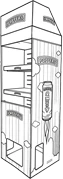


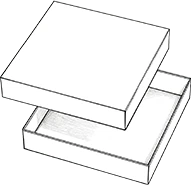
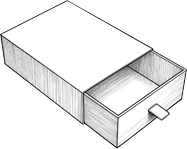



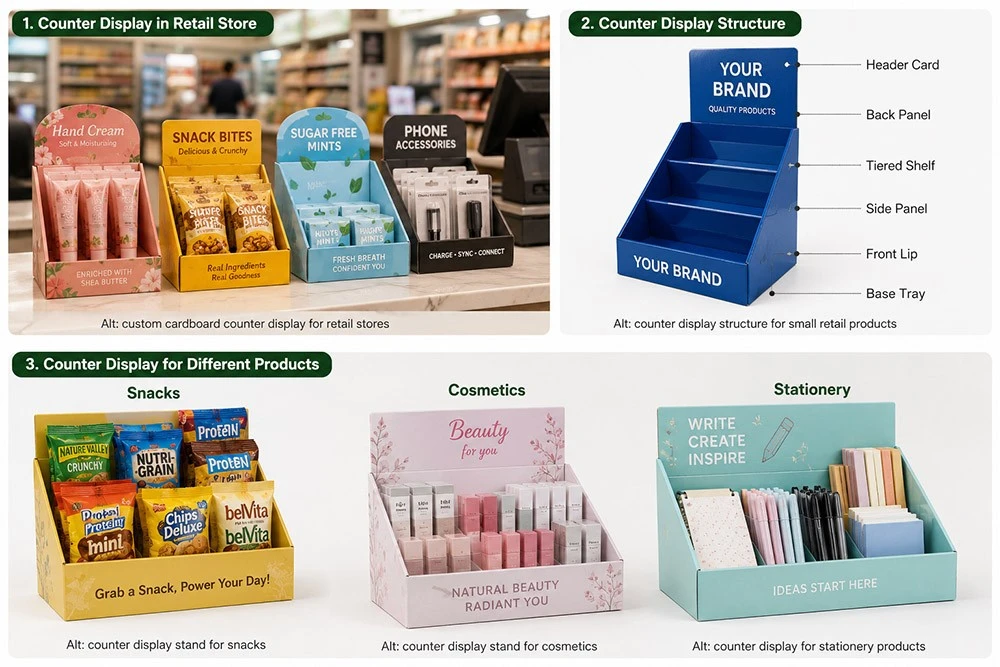
A counter display is a compact retail display unit placed on checkout counters, service desks, shelves, reception tables, or other high-traffic areas inside a store. For small packaged products, it is often one of the most practical ways to create extra visibility without taking up floor space.
Unlike a large floor display, a cardboard counter display is designed for products that shoppers can easily pick up by hand. It works well for snacks, cosmetics, small accessories, health products, stationery, gift items, trial-size products, and seasonal promotions. In many retail stores, these items need more than ordinary shelf space. They need a small structure that keeps the product organized, close to the shopper, and easy to notice during the final buying decision.
What Is a Counter Display?
A counter display is a point of sale display used to present products at eye level or hand level. It can be placed near checkout counters, cashier areas, reception desks, promotional tables, or small retail shelves.
Most countertop display boxes for checkout counters are made from corrugated cardboard or paperboard. The structure can be simple, like an open-top display tray, or more detailed, with several tiers, hooks, dividers, header cards, or custom die-cut shapes.
The main purpose is not only to hold products. A good counter display also helps the brand:
keep small products arranged neatly
make promotional items easier to see
support impulse buying near checkout
show branding clearly in a limited space
reduce the need for permanent retail fixtures
launch new products with lower display costs
For stores with limited space, a compact point of sale counter display can be more useful than a larger display stand.
Why Retail Brands Use Cardboard Counter Displays
Retail counters are crowded areas. Customers may only spend a short time there, but that short time can still create a buying opportunity. Small products placed in a plain carton are easy to ignore. Products arranged in a branded counter display are easier to notice.
Cardboard is widely used for this type of display because it is light, printable, cost-effective, and flexible for custom structures. For short-term promotions, product launches, sampling campaigns, and seasonal sales, a cardboard structure is often more practical than acrylic, metal, or wood.
A custom counter display for retail stores can be adjusted to the product size, packaging shape, display quantity, and brand style. For example, a display for candy bars needs a different structure from a display for lip balm, small toys, tea bags, or phone accessories. The shelf angle, front lip height, divider spacing, and back panel size all affect how the product looks in store.
This is why counter displays should not be designed only from artwork. The structure should be planned together with the product.
Best Products for Counter Display Stands
A counter display is most suitable for small and medium-sized products that are easy to pick up. If the product is too heavy or too large, a floor display or pallet display may be more suitable.
Common products include:
chewing gum and candy
chocolate bars and snack packs
cosmetics and skincare samples
lip balm and small beauty products
vitamin bottles and health products
stationery and greeting cards
small toys and gift items
phone accessories
coffee sachets or tea packs
promotional trial-size products
A counter display stand for snacks usually needs open visibility, easy restocking, and enough front height to prevent products from falling forward. For cosmetics, the display may need small compartments, clean printing, and a more refined surface finish. For stationery or hanging items, hooks or stepped shelves may be more useful.
The best structure depends on the product, not just the display name.
Common Counter Display Structures
There are several common counter display structures. Each one serves a different retail purpose.
1. Open Tray Counter Display:This is a simple structure for small packaged goods. It is easy to fill, easy to ship, and suitable for fast-moving products.
2. Tiered Counter Display:A tiered design presents products on several levels. It helps shoppers see more SKUs at once and is useful for candy, cosmetics, supplements, or small boxed items.
3. Counter Display with Header Card:A header card gives the brand more vertical space for logos, product messages, promotional graphics, or campaign slogans. This is useful when the display sits in a visually crowded store.
4. Hook Counter Display:This structure uses small hooks for hanging products such as accessories, tools, stationery, or blister-packed items.
5. Custom Die-Cut Counter Display:A custom shape can make the display more recognizable. It is often used for seasonal campaigns, character branding, children's products, or creative promotional launches.
How to Customize a Counter Display for Retail Stores
A good custom display starts with product information. Before designing a counter display, the supplier needs to understand:
product size
product weight
number of units per display
packaging type
target retail channel
expected order quantity
artwork requirements
shipping method
assembly preference
promotion period
If the display will be shipped flat, the structure must be easy to fold and assemble. If the display will be pre-packed with products, the strength and protection requirements are different.
For export projects, flat-pack design is often preferred because it saves shipping space. But the display still needs to be stable after assembly. This means the designer must consider locking tabs, back support, shelf depth, side panel strength, and product weight distribution.
Materials, Printing and Finishing Options
Most cardboard counter displays use corrugated board, paperboard, or a combination of both. The material choice depends on the product weight and the required appearance.
For lightweight products, paperboard or E-flute corrugated board may be enough. For heavier products or multi-tier displays, stronger corrugated board or reinforced structural parts may be needed.
Common printing and finishing options include:
- CMYK offset printing
- Pantone color printing
- matte or gloss lamination
- spot UV
- varnishing
- die-cut shape
- printed header card
- custom inserts or dividers
The design should keep branding clear but not overloaded. A counter display is small, so the message needs to be direct. A logo, product name, one key selling point, and clean color contrast usually work better than too much text.
FAQs About Counter Displays
1.What is a counter display used for?
A counter display is used to present small products in high-traffic retail areas, especially near checkout counters, service desks, and promotional tables. It helps improve product visibility and supports impulse buying.
2.What products are suitable for a cardboard counter display?
A cardboard counter display is suitable for snacks, candy, cosmetics, stationery, small gifts, health products, accessories, and trial-size products. It is best for products that shoppers can easily pick up by hand.
3.Can counter displays be customized?
Yes. A counter display can be customized by size, structure, printing, surface finish, header card, compartments, hooks, and product layout. The design should match the product weight, retail placement, and brand image.
4.Are cardboard counter displays strong enough?
Yes, if the material and structure are designed correctly. The display strength depends on board grade, shelf structure, product weight, locking method, and overall display size.
5.What is the difference between a counter display and a PDQ display?
A counter display is usually placed on a counter or tabletop for product presentation. A PDQ display is a retail-ready display tray designed for quick shelf or counter placement. Some PDQ displays can also be used as counter displays.