








A cardboard cutout standee can do more than most people expect. It can create a photo moment at a party, draw attention at a store entrance, support a brand launch at an event, or make a booth more visible in a crowded exhibition hall. That is why this format continues to work across both personal and commercial settings.
A lot of pages online treat standees as either party props or simple printed boards. The reality sits somewhere in the middle. A good standee is a lightweight, freestanding visual tool that adds presence to a space quickly. It does not need much setup, but it can still make a strong impression.
This article looks at cardboard cut out standees from that wider perspective. It explains where they work best, how a custom photo standee differs from an advertising standee display, and what buyers should confirm before moving into production.
What Are Cardboard Cutout Standees
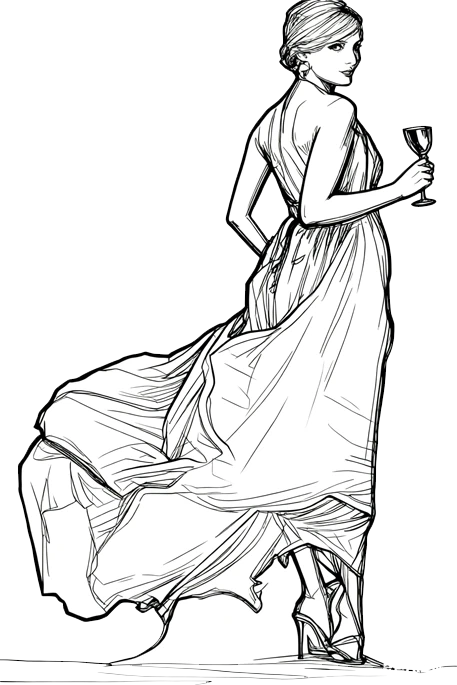
A cardboard cutout standee is a freestanding printed display, usually cut to the shape of a person, character, mascot, product, or other custom outline. What makes it different from a normal sign is not only the printing, but the fact that it occupies space in a more direct way. It feels present in the environment rather than simply attached to it.
That physical presence is the reason standees remain useful. A life-size figure, a product silhouette, or a branded shape can catch attention more quickly than a flat poster because the standee feels more immediate. People notice it faster, especially in event spaces, store entrances, and promotional areas.
In short, standees are visual displays designed to create instant recognition. Some are personal and photo-based. Others are promotional and brand-led. The format is flexible, but the purpose behind it is what really defines how it should be designed.
Where Custom Cardboard Display Standees Work Best
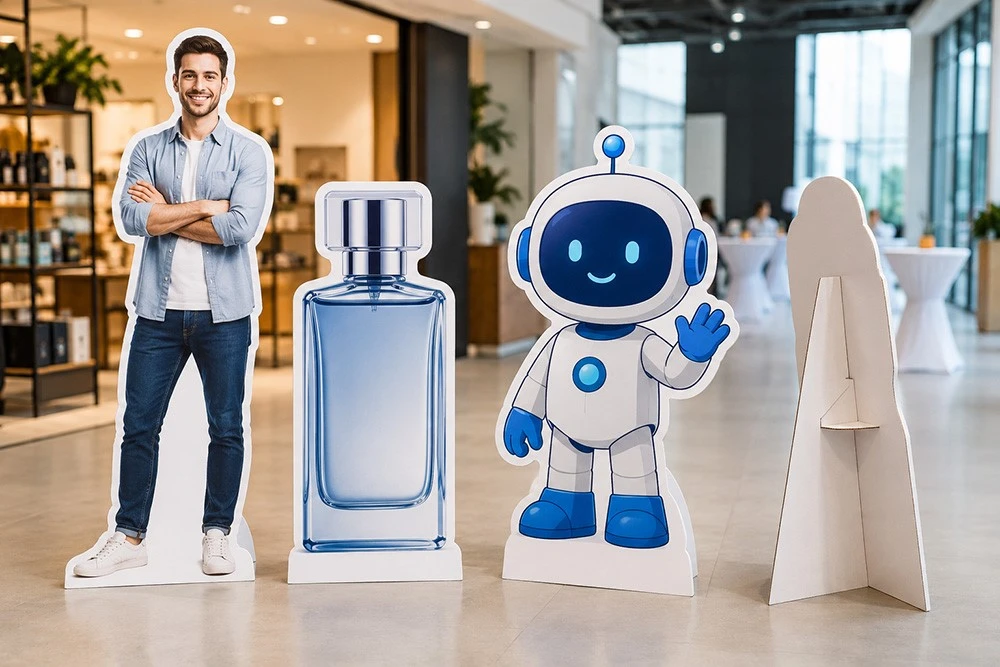
In retail, a custom cardboard display standee works best when a brand wants stronger visibility without building a large product display around the item. It can support a seasonal promotion, highlight a new launch, or add a visual anchor beside shelving, checkout, or an aisle entrance. In those cases, the standee is not holding stock. It is helping the campaign stand out.
At trade shows and event booths, standees help with recognition at a distance. They can act as mascots, spokesperson graphics, themed brand elements, or directional cues. In entertainment spaces such as movie theaters, attractions, and fan events, they also create natural photo opportunities, which adds another layer of engagement.
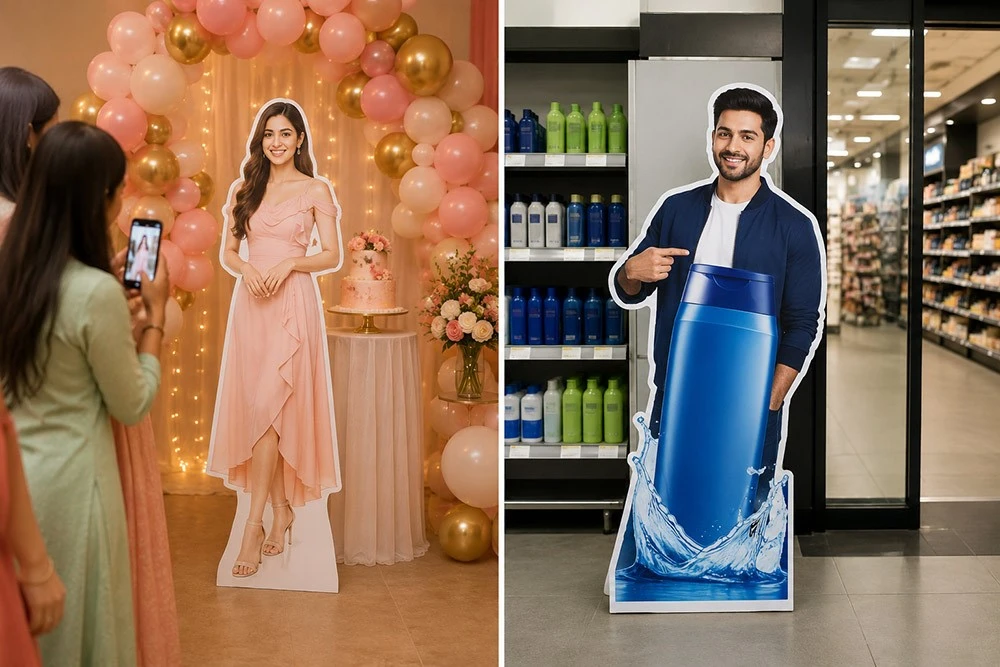
Custom photo standees are a strong fit for personal events too. Weddings, birthdays, graduations, reunions, and memorial gatherings often use them because they add presence in a simple and memorable way. So while the format is often associated with personal celebrations, it works just as well in retail and promotional environments when the purpose is clear.
Custom Photo Standee vs Advertising Standee Display
A custom photo standee is usually designed for personal or event use. The photo itself is the focus, and the standee is there to create recognition, humor, warmth, or a more personal atmosphere. In this kind of use, the emotional value is often more important than branding or promotional messaging.
An advertising standee display works differently. It may still use a person or character, but the purpose is commercial. It is there to support brand awareness, highlight a product, direct traffic, or create a stronger campaign presence in a store or event space. The image matters, but it serves a bigger promotional role.
That is the real difference. One format is emotion-led, the other is promotion-led. The shape, size, and printing may look similar, but the goal behind the standee changes how it should be designed and where it should be placed.
Main Types of Cardboard Cut Out Standees
Life-size standees are the most familiar type. They work well for people, mascots, characters, and photo-based displays because the scale makes them feel immediate and easy to recognize. They are especially useful for events, theater promotions, fan experiences, and branded photo opportunities.
Foldable or pop-up standees are more practical when transport and setup matter. They are easier to move, store, and assemble, which makes them a strong choice for temporary campaigns, mall promotions, trade shows, and multi-location use. They may feel simpler, but in many real-world settings that practicality is exactly the advantage.
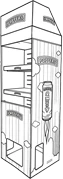
Thematic and promotional standees are often the most useful for businesses. These can take the shape of a product, logo, campaign mascot, or seasonal graphic element. For brands looking for a custom cardboard display that adds visibility without needing a fully stocked retail fixture, this version often makes the most sense.
How to Design a Custom Cardboard Display Standee That Works
The first step is to define the job. A standee designed for event photos will not follow the same logic as one designed for retail promotion. Some need to create a playful moment. Others need to attract attention from a distance or support a product launch. Once that purpose is clear, the design becomes much easier to control.
Size and shape should always match the environment. A life-size figure may work beautifully in a lobby, but feel awkward in a narrow aisle. A product-shaped standee may be better for a retail campaign than a human cutout. The strongest designs usually rely on one clear silhouette, one readable focal point, and as little visual clutter as possible.
Support should also be planned early. Easel backs, kickstands, and freestanding bases all work, but they need to fit the standee size and the placement conditions. If the standee looks good in a file but feels unstable in the real space, the design is not finished yet.
Before Production, Confirm the Right Details
Image quality is the first thing to check, especially for a custom photo standee. Low-resolution graphics, weak cut lines, or poor background cleanup will show immediately in the final piece. That matters even more with life-size standees, where every flaw becomes easier to notice.
The next step is confirming the basic production details: final size, cut shape, support method, one-sided or two-sided printing, and where the standee will actually be used. A standee for a wedding hall entrance, a retail aisle, and a trade show booth may all look similar at first, but they do not follow the same practical requirements.
It is also important to confirm image rights and intended use before production. For one-off events, this is usually simple. For commercial graphics, branded visuals, or professional photography, permission and reproduction rights should be clear from the beginning.
Common Mistakes That Make Standees Less Effective
One common mistake is choosing the wrong standee type for the goal. A photo-based cutout may work perfectly for a party and feel weak in a retail promotion. In the same way, a heavily branded advertising standee may look out of place in a more personal event setting. The format is flexible, but it still needs the right context.
Another problem is overcomplicating the artwork. Too much text, weak contrast, poor image selection, or unclear hierarchy can make a standee harder to understand. The strongest standees are usually the simplest ones. They create recognition quickly and do not force the viewer to decode too much.
Placement and stability are often underestimated as well. Even a well-printed standee will underperform if it blocks traffic, feels too small for the space, or does not stand securely. In the end, effectiveness depends just as much on setup and environment as it does on printing.
Final Thoughts
Cardboard cut out standees remain useful because they solve a simple problem well: they make something visible, memorable, and easy to respond to in a physical space. That can mean adding fun and presence to a celebration, or it can mean helping a brand create stronger attention around a promotion.
A custom photo standee works best when the goal is emotional connection or event interaction. An advertising standee display works better when the goal is retail visibility, event branding, or promotional impact. The format stays the same, but the intent changes everything around it.
When the purpose is clear, the design is controlled, and the standee fits the real environment, it stops feeling like a novelty item. It becomes a practical display tool-and that is where it usually performs best.
FAQ
1.What are cardboard cut out standees used for?
They are used for events, retail promotions, trade shows, movie launches, branded photo opportunities, and personal celebrations such as weddings, birthdays, and graduations.
2.What is the difference between a custom photo standee and an advertising standee display?
A custom photo standee is usually personal or event-focused, while an advertising standee display is used more for brand visibility, product promotion, and commercial campaigns.
3.Can cardboard cutout standees be made in custom shapes and sizes?
Yes. They can be produced in different sizes, custom contours, and graphic styles depending on whether the project is for personal use, retail promotion, or event display.
4.How do cardboard standees stand up?
Most use an easel back, kickstand, or freestanding base. The right support depends on the standee size and where it will be placed.
5.Are cardboard standees suitable for outdoor use?
They can work for short-term controlled use, but for longer outdoor applications, weather-resistant materials are usually the better choice.
6.What kind of image works best for a custom photo standee?
A high-resolution image with clean subject edges and clear contrast works best. It is also important to use an image you have the right to reproduce.