







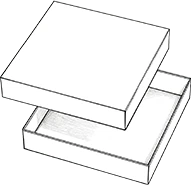
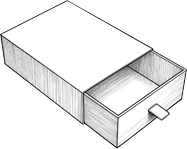



Shelf-ready packaging and PDQ displays are often discussed as if they were the same thing. Both can reduce store-level handling, keep products organized and move merchandise onto the shelf faster. However, they are not automatically interchangeable.
The main difference lies in their primary purpose. Shelf-ready packaging is designed around the movement of products through the supply chain and onto a retail shelf. A PDQ display places more emphasis on fast deployment, product presentation and promotional impact. One structure can perform both functions, but the product, packing method and retail program must support that combination.
Are Shelf-Ready Packaging and PDQ Displays the Same?
Shelf-ready packaging, commonly shortened to SRP, is a broader packaging category. It includes cases, trays and cartons that protect products during handling and allow store employees to replenish shelves with fewer steps. Retail-ready packaging, or RRP, is another term frequently used for the same general concept.
A PDQ display is a more display-focused format. PDQ stands for "Pretty Darn Quick," referring to how quickly the unit can be opened, positioned and made ready for sale. It may sit on a shelf, counter, checkout area or endcap.
A PDQ can therefore function as shelf-ready packaging, particularly when it is packed with products at the factory and shipped directly to the retailer. However, shelf-ready packaging includes many structures that would not normally be described as PDQ displays.
A PDQ display can be shelf-ready, but shelf-ready packaging includes more than PDQ displays.
What Is Shelf-Ready Packaging?
Shelf-ready packaging is designed to move products efficiently from packing and distribution to the retail shelf. Instead of opening a shipping case and placing every item individually, store employees can remove a cover, tear away a panel or position the complete tray on the shelf.
A successful SRP structure should be easy to identify, open, place, shop from and dispose of. It must also protect the primary products during transportation. These requirements affect the board grade, tear-away lines, carrying features, product arrangement and printed instructions.
Common shelf-ready packaging formats include:
- Tear-away shipping cases
- Shelf-ready trays
- Retail-ready cartons
- Case stackers
- Display-ready packaging
- Corrugated shelf organizers
Brands that need more information about these structures can review our complete shelf-ready packaging guide.

What Is a PDQ Display?
A PDQ display is a retail merchandising unit designed for quick placement and immediate product access. It is commonly made from printed corrugated board and used for small packaged goods, seasonal products, new product launches and impulse purchases.
Unlike basic retail ready packaging, a PDQ display often gives more attention to branding. It may include a printed header, shaped side panels, product dividers, tiered trays or a large front graphic area. These elements help the product stand out while keeping the display easy for store employees to handle.
Common PDQ formats include:
- Countertop PDQ trays
- Shelf PDQ displays
- Tear-away PDQ boxes
- Small endcap display units
- Palletized PDQ trays
Our complete guide to PDQ displays explains their applications, placement and basic design requirements in more detail.
Shelf-Ready Packaging vs PDQ Display: Key Differences
The difference between shelf-ready packaging and a PDQ display becomes clearer when the complete retail program is considered.
|
Comparison |
Shelf-Ready Packaging |
PDQ Display |
|
Primary purpose |
Transport, replenishment and shelf efficiency |
Fast display deployment and product promotion |
|
Shipping function |
Usually protects products through distribution |
May ship pre-packed or separately from the products |
|
Store setup |
Open the case and place it on the shelf |
Open, unfold or position the display |
|
Branding |
Usually supports product identification and shelf visibility |
Often provides stronger promotional graphics |
|
Product configuration |
Works well with standard case quantities |
Often designed around a specific SKU or campaign |
|
Placement |
Mainly standard retail shelving |
Shelf, counter, checkout area or endcap |
|
Replenishment |
Usually supports regular shelf refilling |
May be replaced as a complete promotional unit |
|
Cost focus |
Packing efficiency, transport and store labor |
Structure, printing, setup and visual impact |
These distinctions are not universal rules. Retailers may use PDQ, SRP, RRP and display-ready packaging differently in their internal specifications. Brands should always follow the terminology and requirements provided by the target retailer.

Can One Package Be Both SRP and a PDQ Display?
Yes. Many retail programs use a structure that performs both functions. Whether a package qualifies as both depends on how the products are packed, shipped, opened and presented.
A Pre-Packed PDQ That Ships as the Retail Case
A pre-packed PDQ may be loaded with products at the factory, placed in an outer carton or fitted with a protective cover, and shipped through the distribution network. At the store, employees remove the cover or open the tear-away section and place the complete unit in the selling area.
This format combines the transport and replenishment advantages of shelf-ready packaging with the branding and product access of a PDQ display.
A PDQ Display Shipped Separately from the Products
Some PDQ displays are produced and shipped flat, while the products travel in separate master cartons. Store employees or a co-packing facility must assemble the display and load the products before it can be used.
This is still a PDQ display because it provides a quick merchandising structure. However, it does not perform the complete shipping-case function normally associated with shelf-ready packaging.
An SRP Case Without Strong Display Features
A standard SRP case may protect products during transport, open cleanly and move onto the shelf in one step. It may not have a header, promotional shape or significant branded display area.
This structure is shelf-ready, but describing it as a PDQ display could create the wrong expectation about its visual and promotional role.
When Should a Brand Choose Shelf-Ready Packaging?
Shelf-ready packaging is usually the better choice when the main objective is to improve routine replenishment. It suits products that remain on standard retail shelving and move through a consistent distribution program.
SRP is particularly useful when:
Products have a stable case quantity
Stores replenish the shelf frequently
Retailers want to reduce individual product handling
The shipping case must also organize products on the shelf
Product protection remains important throughout distribution
The retail program runs continuously rather than as a short promotion
Packaged food, beverages, personal care products, household goods and other fast-moving consumer products often benefit from this approach.
When Should a Brand Choose a PDQ Display?
A PDQ display is usually more suitable when the program needs stronger product presentation or a clearly defined promotional position. Its structure can be developed around the product dimensions, campaign graphics and intended shopper interaction.
Brands may prefer a PDQ display for:
- New product launches
- Seasonal campaigns
- Checkout and counter promotions
- Impulse-purchase products
- Limited SKU combinations
- Branded shelf promotions
- Temporary endcap placement
The display format should match the selling position. A small counter tray will not require the same structure as a shelf unit or palletized PDQ. The different types of PDQ displays should therefore be reviewed before structural design begins.

How to Choose Between SRP and a PDQ Display
The decision should start with the retail program rather than the name of the packaging format.
Start With the Retailer's Placement Requirements
Confirm whether the products will be placed on a standard shelf, countertop, checkout area or endcap. The retailer may specify the maximum footprint, height, product facing, case quantity, barcode position and approved opening method.
A structure designed without these requirements may fit the product but fail at store level.
Review the Product and SKU Configuration
Product dimensions and weight determine the tray depth, side-wall height, dividers and board strength. SKU count also affects how products should be arranged and replenished.
A shallow tray may work for boxed cosmetics but allow flexible snack bags to fall forward. Bottles may need dividers or a higher front lip, while small impulse products may need tiered trays to remain visible.
Decide How the Products Will Be Shipped
The packing method changes the entire structure. A display that ships pre-packed must withstand stacking, vibration and repeated handling with the products inside. A display shipped flat can use a different locking method but requires assembly and product loading later.
Brands should confirm:
- Whether products and displays ship together
- Whether an outer carton is required
- Whether co-packing will be used
- How displays will be palletized
- Who will open and position the unit
- How long store setup should take
Compare Total Program Cost
The lowest unit price does not always produce the lowest retail program cost. Shelf-ready packaging may reduce store labor but require additional material for shipping protection. A PDQ display may cost more to print but improve product visibility and reduce the need for separate promotional signage.
The comparison should include:
- Display production
- Product packing
- Outer cartons
- Pallet configuration
- Freight volume
- Co-packing
- Store setup labor
- Replenishment labor
- Damage and product loss
This gives a more accurate comparison than looking only at the price of the printed cardboard structure.
Common Mistakes When Selecting SRP or PDQ Packaging
Treating the Terms as Completely Interchangeable
Using the wrong term can cause suppliers and retailers to make different assumptions about shipping, setup and product loading. The project brief should describe the required function, not rely only on an abbreviation.
Designing Before Confirming Retailer Requirements
A display may look good in a rendering but fail to meet the retailer's shelf footprint, barcode, product-facing or packing rules. Retail specifications should be confirmed before the final structural drawing.
Focusing on Graphics Instead of Shipping Protection
Printed graphics cannot compensate for collapsed side walls, damaged products or a tray that opens during transportation. Pre-packed displays should be tested with the actual product arrangement.
Making the Package Difficult to Open
Poorly positioned tear lines and unclear opening instructions can damage the visible display area. The opening process should be tested by someone who did not design the package.
Ignoring Replenishment and Product Access
The display must continue working after shoppers remove the first few products. Front lips, dividers and tray depth should support both product access and an organized appearance throughout the promotion.
Information Needed Before Requesting a Quote
A clear project brief helps the structural team decide whether the program needs shelf-ready packaging, a PDQ display or a combined solution.
Provide the following information:
- Product dimensions and weight
- Number of products per display
- Number of SKUs
- Product arrangement
- Target retailer
- Shelf, counter or endcap placement
- Required retail footprint
- Pre-packed or separately packed shipping
- Order quantity
- Printing and branding requirements
- Campaign date
- Delivery destination
For programs that require a strong promotional structure, review our custom PDQ displays before requesting a structural proposal.
Choosing the Format Around the Retail Program
Shelf-ready packaging improves the movement of products from distribution to the shelf. A PDQ display improves the speed and consistency of product presentation. When designed correctly, one corrugated structure can deliver both benefits.
The right choice depends on the product, retail position, packing method, retailer requirements and campaign duration. These factors should be confirmed before dimensions, board grade or graphics are finalized.
If you are unsure whether your project needs SRP, a PDQ display or a structure that combines both functions, contact our display team with the product dimensions, retail placement and packing requirements.
Frequently Asked Questions
1.Is a PDQ display a type of shelf-ready packaging?
A PDQ display can be a type of shelf-ready packaging when it ships with products and can be placed directly in the selling area with minimal handling. However, some PDQ displays ship separately and must be assembled or loaded later.
2.Is shelf-ready packaging the same as retail-ready packaging?
Shelf-ready packaging and retail-ready packaging are often used to describe the same general concept. Both refer to packaging designed to simplify product identification, opening, replenishment and presentation in retail stores.
3.Does a PDQ display always ship pre-packed with products?
No. Some PDQ displays are packed with products before shipment, while others ship flat and are loaded at a co-packing facility, distribution center or store.
4.Which is better for Walmart: SRP or a PDQ display?
The correct format depends on the Walmart program, placement and specifications. Products sold on standard shelves may use SRP cases, while promotional shelf, counter or endcap programs may require PDQ displays. The retailer's current specifications should guide the final design.
5.Can a PDQ display be used on both shelves and counters?
Yes, but the dimensions and product arrangement must be developed for the intended position. A countertop PDQ is usually smaller and designed for close-range interaction, while a shelf PDQ must fit the retailer's shelf depth, height and facing requirements.
6.Which costs less: shelf-ready packaging or a PDQ display?
Neither format is always cheaper. Cost depends on size, board grade, printing, product load, order quantity, packing method and shipping configuration. Total program cost should also include store labor, co-packing, freight and product damage.
7.What information is needed to design custom SRP or PDQ packaging?
The supplier needs product dimensions, weight, units per display, SKU count, retail placement, retailer specifications, packing method, quantity, printing requirements and delivery destination.