







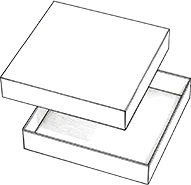
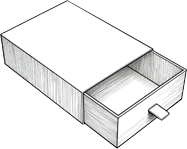



A pallet display and a shelf display can both put products in front of shoppers, but they solve different retail problems. A pallet format is built for stock depth, fast deployment and an independent branded presence. Shelf stocking is usually better when the assortment changes often, the selling space is narrow or products need to remain inside a permanent category section.
The choice affects more than appearance. It changes how the product is packed, transported, received, replenished and shopped. For a high-volume campaign, selecting the wrong format can create avoidable store labor or leave too little stock on the floor. The useful question is therefore not "Which display looks bigger?" but "Which system fits the product flow from packing line to shopper?
What Is the Practical Difference?
A pallet display is a freestanding merchandising unit built on, or designed to work with, a pallet base. Products may arrive pre-packed, allowing store teams to move the complete unit from the receiving area to the sales floor with limited handling. Depending on the campaign, display pallets can use stacked cases, shelves, trays, dividers or a combination of these structures.
Shelf stocking follows a different process. Products arrive in cartons, are opened in the back room and are then placed into a permanent gondola, wall fixture or shelf-style promotional display. This takes more handling, but it gives the retailer greater freedom to change facings, mix SKUs and adjust the arrangement as stock levels change.
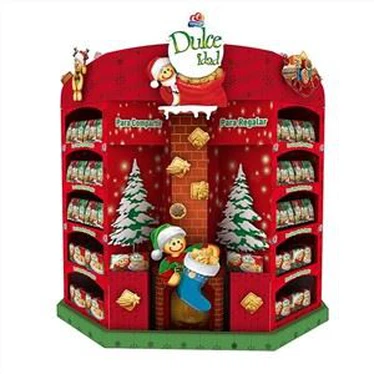
Pallet Display vs Shelf Stocking: Quick Comparison
| Decision factor | Pallet display | Shelf stocking |
|---|---|---|
| Product volume | High stock depth in one promotional area | Lower on-shelf quantity supported by back-room stock |
| Store setup | Can arrive pre-packed or partly assembled | Usually requires cartons to be opened and individual units stocked |
| Branding space | Header, side panels, base and structural surfaces | Limited to shelf strips, packaging and nearby signage |
| Assortment flexibility | Best with a planned SKU mix and fixed pack-out | Easier to change facings and introduce replacement SKUs |
| Floor space | Needs a defined promotional footprint and clear shopper access | Fits established shelf runs and tighter category spaces |
| Typical use | Launches, seasonal events, bulk packs and high-volume promotions | Permanent ranges, broad assortments and routine replenishment |
Neither option is automatically superior. A strong decision starts with product dimensions, case configuration, target inventory, campaign duration and the retailer's handling requirements.
When a Pallet Display Works Better
The campaign needs meaningful stock depth
Products with a fast expected rate of sale can empty a small shelf presentation quickly. A pallet unit places more inventory in the selling area and reduces the distance between reserve stock and the shopper. This is especially useful for beverages, packaged foods, pet products, household consumables and promotional multipacks.
Stock depth should still be engineered, not guessed. The product weight, number of units per layer and center of gravity determine whether the structure needs corrugated partitions, reinforced shelves, a honeycomb component or a stronger pallet base.
The retailer wants a faster floor transition
Pre-packed point of purchase display pallets reduce the number of separate handling steps in store. Instead of opening several cartons and building a presentation unit by unit, staff can remove transit protection, position the display and complete a small number of setup actions. The exact process depends on the retailer, so assembly and unpacking instructions need to be designed with the structure rather than added at the end.
The brand needs its own visual block
A permanent shelf shares attention with nearby products. A pallet format creates a separate visual block with room for campaign artwork, usage information and a clear product hierarchy. That extra surface area matters when a new range must be understood from several feet away, but the graphics should support product recognition rather than overwhelm it.
For a detailed breakdown of full, half and quarter footprints, see our guide to the main types of pallet displays.
When Shelf Stocking Is the Smarter Choice
Shelf stocking is often more practical for a permanent range with many SKUs. Store teams can increase or reduce facings, replace a slow item and change the arrangement without rebuilding a complete promotional unit. It also makes sense when a brand only has a narrow allocation within an established category.
Products that require frequent planogram changes may also be easier to manage on shelves. The retailer can reset the arrangement while keeping the fixture in place. A pallet pack display is less forgiving because the structural layout, product quantity and artwork are normally decided before production.
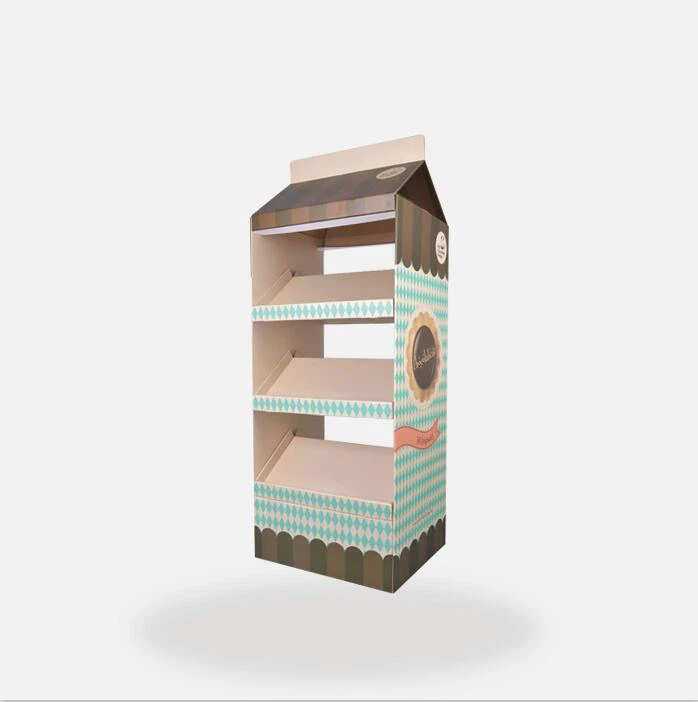
Capacity and Replenishment Should Drive the Decision
In structural design work, one of the most common mistakes is choosing a display by its outside appearance before calculating the pack-out. The correct starting point is the product: exact dimensions, filled weight, retail orientation and the number of units required on the floor.
A simple capacity plan considers facings across the front, product depth behind each facing and the number of usable vertical levels. It should also account for finger space, shelf lips, dividers and the clearance needed to remove a product without disturbing the next one. Our cardboard display planogram guide explains how to turn product dimensions and SKU facings into a workable capacity layout.
Replenishment changes the answer. If employees need to refill the unit several times each day, a front-loading shelf may create too much work. If products can be pre-packed and replenished by tray or case, a pallet system may be more efficient. The design should be tested using the real product and packaging, because an empty prototype does not reveal shelf deflection, access problems or tipping risk.
Pre-Packed, Flat-Packed or a Combination?
A pre-packed pallet display arrives with products already arranged in the selling structure. It can reduce store-floor setup, but it requires careful transit protection, compression testing and a clear unloading sequence. The structure must remain stable through packing, transport and handling-not only while standing in a showroom.
Flat-packed displays usually use less transport volume and allow the product cartons to ship separately. They can be a better choice when freight efficiency matters or when the retailer prefers to assemble and stock displays locally. The trade-off is additional store labor and a greater need for clear, mistake-resistant assembly instructions.
Many projects use a hybrid approach. The base and graphic structure ship flat, while products remain in ready-to-place trays or cases. This can balance freight volume with setup speed. A practical retail-ready pallet display plan should define these handling steps before the artwork is finalized.

Match the Format to the Product and Retail Environment
A pallet display is a strong fit when the product has enough sales volume to justify its footprint, the campaign needs a clear promotional presence and the store can receive the unit through its normal handling process. Full-size formats suit large inventory loads and warehouse-style environments. Half and quarter pallet formats can deliver similar visual independence in smaller promotional zones.
Shelf stocking is usually more suitable for small premium items, broad color or size ranges and products that benefit from comparison within a category. It may also be safer when demand is uncertain. A brand can test the product on a smaller allocation before committing to a larger pack-out.
Placement matters as much as format. A unit that blocks cart movement or sits too far from its product category can underperform even when its structure is sound. Review the intended store zone, shopper approach direction and replenishment route before deciding the final footprint. These factors are covered in our guide to pallet displays in retail stores.
A Hybrid Retail Strategy Can Use Both
Brands do not always have to choose one format for every store. A launch may use pallet displays in high-volume locations and shelf stocking in smaller branches. The artwork and product message can remain consistent while capacity and footprint change.
Another approach is to use a pallet display for the opening promotional period, then move the winning SKUs to permanent shelves. This creates a strong launch presence without forcing the pallet footprint to remain after the campaign ends. The packaging, case quantities and retailer plan should support that transition from the beginning.
Questions to Answer Before Structural Design
Before requesting a concept, confirm the filled product weight, pack size, number of SKUs and desired quantity on display. The designer also needs the allowed footprint, maximum height, shopper access sides and whether the display will ship pre-packed or flat.
Then map the handling sequence. Who packs the product? How is the unit protected in transit? Will a forklift, pallet jack or store associate move it? Which panels are removed before selling begins? A good structure follows this sequence and makes the next action obvious.
Finally, define what will be tested. Depending on the project, that may include shelf loading, stability, compression, vibration, assembly timing and a trial pack-out with the actual products. Testing is how a visual concept becomes a display that can survive real retail use.
Which Option Should You Choose?
Choose a pallet display when the campaign depends on volume, rapid placement and strong branded floor presence. Choose shelf stocking when assortment flexibility, permanent category placement and frequent resets matter more. If the project sits between those two conditions, a half pallet, quarter pallet or shelf-style floor unit may provide the right balance.
WOW DISPLAY designs corrugated retail structures around the complete product and handling brief. We evaluate product load, pack-out, assembly, transport and the planned store environment before recommending a format. To discuss a high-volume promotion, request a custom pallet display quotation.
Frequently Asked Questions
Is a pallet display only suitable for warehouse clubs?
No. Pallet displays are common in warehouse clubs, but full, half and quarter formats can also be used in supermarkets, big-box stores and other locations with suitable promotional floor space.
Can a pallet display arrive at the store already filled?
Yes. A pre-packed pallet display can be loaded before shipment, provided the structure, pallet base, transit protection and retailer handling process are designed for that method.
Does shelf stocking always require less space?
It uses existing shelf space rather than a separate promotional footprint, but the complete inventory may require back-room storage. The correct comparison includes both selling space and replenishment needs.
How many SKUs can a pallet display hold?
There is no universal number. Capacity depends on product size, weight, facings, shelf or tray layout and the retailer's access requirements. Multi-SKU displays need clear visual organization and stable weight distribution.
Should we choose the display before confirming case quantities?
No. Case pack, retail orientation and target on-floor inventory should be confirmed early. Otherwise, the final structure may hold the wrong quantity or require unnecessary repacking.