
























Choosing a cardboard POP display sounds simple at first. Many buyers begin by looking at the display style, the price, or the visual effect. But that is usually not the best place to start. A display that looks attractive in a concept drawing may still be the wrong choice for the product, the store environment, or the campaign goal.
The better approach is to choose the display by fit. In other words, the right cardboard POP display is the one that matches the product requirements, the retail setting, the budget, the brand image, shopper behavior, and the rollout plan. That is where better retail performance usually begins.
1. What does the product require?
2. Where will the display be used?
3. What budget and timeline are realistic?
4. Does the display fit the brand identity?
5. How do shoppers behave around this product?
6. Will the display work at scale?
The rest of this guide breaks those questions down in a more practical way.

Understand the Product Requirements First
A cardboard POP display should always start with the product, not with the display format. That sounds obvious, maybe, but this is where many projects go off track.
Product Weight and Packaging Matter
The first issue is weight. A lightweight snack pouch and a row of bottled drinks do not need the same structure. Heavier products usually need stronger shelf support, a more stable base, and better load distribution. Packaging style matters too. Boxes, bottles, jars, hanging packs, and flexible bags all behave differently on a display.
That means the product itself should guide the structure. A display that works for cosmetics may not work well for beverages. A design that suits boxed goods may not suit fragile packs. Before choosing a floor display, counter display, pallet display, or sidekick display, it is important to understand what the product is asking the display to do.
SKU Count Changes the Best Layout
A single-SKU campaign often needs a cleaner, more focused structure. A multi-SKU display usually needs better organization, clearer shelf separation, and easier refill logic. If the display carries too many SKUs without enough structure, the result can feel crowded and harder to shop.
So yes, the display size matters, but product organization matters just as much.
Know the Retail Environment
A good display in the wrong store can still underperform. The retail environment changes what kind of POP display is practical and effective.
Store Type Affects the Best Display Format
Supermarkets usually reward stronger visibility and larger campaign presence. Convenience stores often need smaller footprints and faster shopper pickup. Specialty retail may require cleaner presentation and stronger product storytelling.
That is why the same product may need different display solutions in different channels. The right cardboard POP display for a supermarket launch may not be the right answer for a beauty store or a pharmacy counter.
Placement Conditions Matter More Than Buyers Expect
Where the display will stand is just as important as what it looks like. An oversized floor display can interrupt shopper flow in a tight aisle. A counter display can work very well in one checkout zone and poorly in another. Sidekick displays depend heavily on adjacency. Pallet displays require enough room to justify their footprint.
This is one reason the image framework is useful. "Know the retail environment" is not just a general tip. It is a real structural requirement.
Align With Budget and Timeline
A display program is never only a design decision. It is also a timing decision and a budget decision.
The Cheapest Display Is Not Always the Right One
Some buyers compare display options too early by price alone. But the best quote is not always the cheapest quote. A lower-cost display may create more problems in shipping, assembly, or in-store performance. A slightly higher-cost structure may save time, improve rollout, and support better retail execution.
Timeline Can Change the Best Choice
If the campaign window is tight, the right display may be the one that supports faster sampling, faster artwork adaptation, and smoother production. This is especially important for seasonal promotions, launch programs, and chain-store rollouts. A design that looks impressive but slows the whole project down is not always a smart choice.
So when evaluating a cardboard POP display, buyers should think in terms of total program value, not only unit cost.
Match the Display to Brand Identity
This part gets overlooked more often than it should. A display is not only a selling tool. It is also a brand signal.
Structure and Graphics Should Support the Brand Story
Some products need bold promotional energy. Others need a cleaner and more premium look. A value-driven FMCG product may benefit from high-visibility graphics and a strong volume message. A beauty or wellness product may need better organization, softer communication, and a more refined visual feel.
That does not mean cardboard cannot support stronger brand identity. It absolutely can. In fact, printed surfaces are one of its biggest strengths. But the display must still be designed in a way that matches how the brand wants to be seen.
Brand Fit Is Not Only About Color
Brand fit also shows up in shape, format, hierarchy, and shopper interaction. A cluttered display can weaken a premium message. A display that feels too plain may undersell a strong campaign. The right display is not just structurally correct. It should also feel visually aligned with the product and the brand behind it.
Consider Shopper Behavior and Experience
This is one of the most important parts of the decision, and one of the most underestimated.
Some Products Are Bought Quickly, Others Need More Support
A counter display works well when the product depends on fast pickup and low-friction decisions. A floor display may work better when the goal is broader visibility or a stronger campaign statement. A sidekick display is often a better fit when cross-selling and add-on purchases matter. A pallet display works best when the goal is high-volume movement.
In other words, the display should match the way the shopper buys.
A Good Display Should Be Easy to Shop
If the product is difficult to see, reach, compare, or refill, the display will struggle. A display should not only attract attention. It should make the product easier to understand and easier to buy. That includes:
clear product access
logical shelf layout
readable messaging
appropriate product height and facing
easy restocking for store staff
This is where shopper behavior and retail execution meet.
Plan for Scalability and Flexibility
The last point in the infographic is especially important for B2B buyers. A good-looking display sample is one thing. A display that works across many stores is something else.
Think Beyond the Prototype
A display may look fine in a sample but become harder to manage in shipping, store setup, or mass rollout. That is why scalability should be part of the decision from the beginning. Buyers should ask:
Will this display ship efficiently in flat-pack form?
Is it easy for store staff to assemble?
Can it be used across multiple stores consistently?
Can graphics or product variants be updated without changing the whole structure?
Flexibility Matters in Modern Retail
Retail programs move fast. Promotions change. Products change. Regional needs change. A display that is too rigid can become a problem even if it looks strong on day one. A good cardboard POP display should support rollout, not complicate it.

Match the Display Type to the Sales Objective
After the product comes the sales objective. This is where many cardboard POP display projects become much clearer. The same product may need different formats depending on what the brand wants the display to do.
A launch display is not the same as a checkout add-on unit. A high-volume club store program is not the same as a sidekick display meant to support cross-selling. The format has to match the job.
Floor Displays for Visibility and Larger Campaign Presence
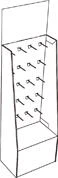
A floor display is usually the right move when visibility is the main goal. It creates stronger in-aisle presence and gives the campaign more physical weight in the retail environment. For product launches, seasonal promotions, or multi-SKU branded programs, that can be exactly what is needed.
A floor display also gives more room for structure, graphics, and merchandising flexibility. But it asks for more floor space and better placement. It should not be chosen just because it feels more important. It should be chosen because the campaign actually needs that level of presence.
Counter Displays for Impulse and Fast Pickup
A counter display works best when the shopper is already near the decision point. Checkout zones, service counters, front desks, and compact product areas are all strong use cases. These displays are usually most effective with smaller products, lower price barriers, and fast-grab behavior.
This is a good format for candy, travel-size goods, accessories, trial items, and products that benefit from add-on behavior. The best counter display feels quick. It should not demand too much time or attention.
If the product needs deep explanation, a counter display might not be enough on its own. But if the goal is a fast extra sale, it can be very strong.
Pallet Displays for High-Volume Retail Programs
A pallet display is built for scale. It is less about subtle merchandising and more about volume movement with strong visibility. Supermarkets, warehouse clubs, and larger retail chains use this format when the product quantity itself is part of the selling strategy.
This is often the right solution for beverages, bulk-packed items, household products, or promotional packaged goods where the display needs to hold significant stock and still look organized. If the sales goal depends on moving larger quantities quickly, a pallet display may be the better choice than a standard floor display.
Sidekick Displays for Add-On Sales
A sidekick display, or power wing, is a smaller-footprint format that works especially well for add-on and cross-merchandising. It is useful when space is limited but product visibility still matters.
This format is often best when the product belongs near another category rather than in its own large zone. Batteries near electronics. Snacks near drinks. Small accessories beside the main item. The sidekick display is not trying to dominate the aisle. It is trying to catch the shopper at the right moment.
That difference matters.
Common Mistakes Buyers Make
There are a few mistakes that come up again and again:
choosing the format before understanding the product
focusing on appearance but ignoring shipping and assembly
comparing price before comparing structure fit
forgetting store footprint and refill conditions
treating every retail channel as if it needs the same display solution
These mistakes are common because they seem small at the beginning. Later, they become expensive.
How to Make a Better Decision Before Requesting a Quote
Before asking for a quote, it helps to define the project more clearly. A better brief usually leads to a better recommendation.
At minimum, a buyer should clarify:
product weight and dimensions
packaging type
number of SKUs
sales goal
store type and placement area
expected display life
shipping and assembly expectations
That way, the supplier can recommend the right structure, not just give a price.
If you are planning a custom cardboard POP display, it is better to ask for a structure recommendation based on product fit, retail environment, and rollout logic than to compare quotations too early by appearance alone.
Conclusion
There is no universal best cardboard POP display. The right choice depends on the product, the retail environment, the campaign objective, and the practical realities of rollout.
That is really the core message behind the infographic and the article itself. A better display decision usually comes from asking the right questions in the right order: product first, store second, execution third, and format after that. When those pieces line up, the display is much more likely to perform well in retail-not just look good in a presentation.
FAQ
1.What is the best cardboard POP display for heavy products?
Heavy products usually need stronger floor display or pallet display structures with better reinforcement and base stability. The best format depends on product weight, shelf span, and campaign duration.
2.Should I choose a floor display or a counter display?
Choose a floor display when visibility and stronger campaign presence matter more. Choose a counter display when the product depends on fast pickup, impulse behavior, or checkout placement.
3.How do I choose a POP display for multiple SKUs?
Focus on shelf organization, shopper clarity, refill access, and visual separation. Multi-SKU displays need structure, not just more space.
4.What should I check before ordering a custom cardboard POP display?
Check product size, weight, number of SKUs, store type, placement area, campaign duration, shipping mode, and assembly expectations before confirming the structure.
5.How does shipping affect POP display selection?
Shipping affects freight cost, pack-out efficiency, damage risk, and rollout speed. A display that looks strong but ships poorly may not be the right choice for a larger retail program.