







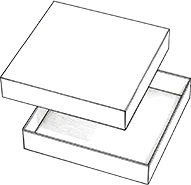
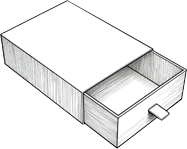



A PDQ display box is a retail-ready cardboard or corrugated box designed to hold, protect, and present products at the point of purchase. Unlike a conventional shipping carton, a PDQ display box can be engineered for quick setup, easy product access, efficient replenishment, and strong product presentation.
Custom PDQ display boxes can be developed around product dimensions, weight, quantity, loading method, retail space, transportation requirements, and branding needs. This makes them suitable for products that need to move efficiently from shipping and storage into an active retail display.
As a pre-designed display solution, PDQ display boxes aim to help retailers quickly and conveniently showcase and sell their products. This article will provide a detailed introduction to the advantages of PDQ display boxes, the scenarios in which they are applicable, and how to choose the right PDQ display boxes.
How Does a PDQ Display Box Work?
A PDQ display box is designed to support more than product storage. It can connect several stages of the retail process, from product packing and transportation to store placement, shopper access, and replenishment.
The structure is normally developed around several practical requirements.
Product Loading
Products may be stacked, arranged in rows, placed into compartments, or loaded into a structure designed for easier product movement. The loading method should be considered when the box structure is developed.
Product Access
The front opening needs to provide enough space for shoppers to see and remove products without unnecessary handling. For frequently purchased products, easy access can also make replenishment faster for store employees.
Structural Support
The base, side walls, dividers, front lip, and other structural components should be selected according to product weight and the quantity being displayed.
Retail Presentation
Visible panels can be used for brand graphics, product information, promotional messaging, pricing, or other merchandising elements.
Transportation
A well-designed PDQ display box can also take shipping requirements into consideration. Depending on the project, the structure may be supplied flat-packed, semi-assembled, or packed together with the products.
The result is a packaging format that can support both product protection and retail presentation, rather than functioning only as a conventional shipping carton.
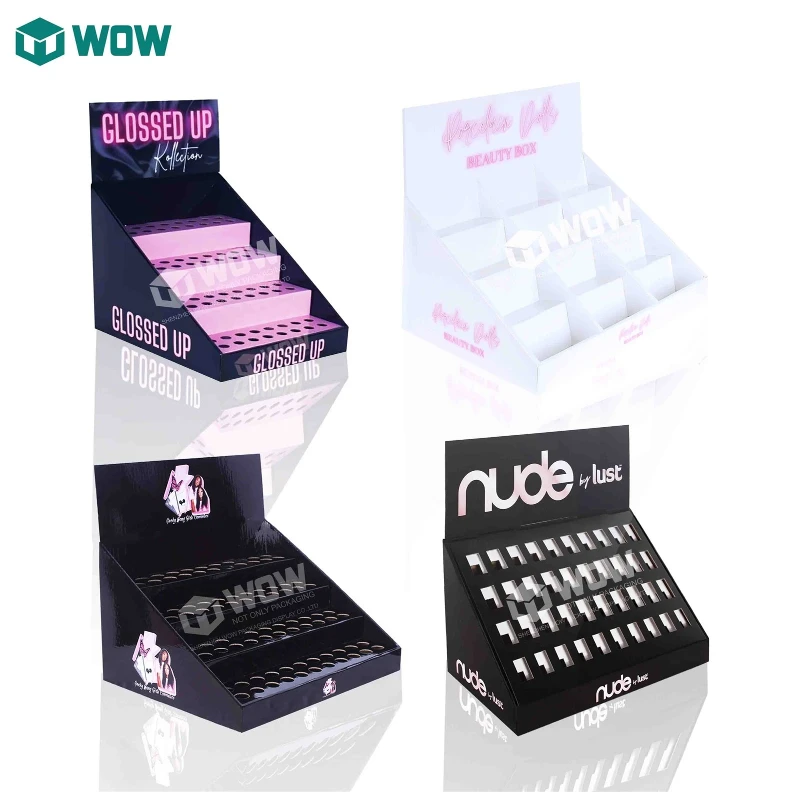
From Shipping Box to Retail Display
One of the key advantages of a well-designed PDQ display box is that it can reduce the work required between product delivery and retail presentation.
A typical workflow may look like this:
Product packing → Transportation → Store delivery → Quick setup → Product presentation → Shopper access → Replenishment
Instead of removing products from a conventional shipping carton and transferring them into another display fixture, a retail-ready PDQ box can be designed to support a faster transition from logistics to merchandising.
This approach can be particularly useful for promotional campaigns, seasonal products, high-volume retail programs, and products that require frequent replenishment.
Advantages of PDQ Display Boxes
- Quick Assembly: PDQ display boxes are usually pre-assembled and can be quickly folded, disassembled, and put together. This feature significantly reduces the time required for product display and speeds up the restocking process.
- Multiple Sizes and Designs: PDQ display boxes can be customized based on different product characteristics and display needs. They come in a variety of sizes, shapes, colors, and patterns. This flexibility allows for products to be highlighted and made more appealing.
- Environmentally Sustainable: Made from recyclable materials, PDQ display boxes meet the requirements for environmental sustainability. By reducing excessive packaging and waste, they also minimize negative environmental impacts. This helps businesses establish a green and eco-friendly image.
- Product Protection: PDQ display boxes have a certain load-bearing capacity, which protects products from damage and maintains their cleanliness and appearance. This enhances product quality and consumer experience.
- Sales Promotion: With their attractive visual effects and creative designs, PDQ display boxes can capture consumers' attention, increase product visibility, and boost sales volumes. Additionally, through well-planned display layouts and product combinations, they can also improve sales revenue and customer satisfaction.
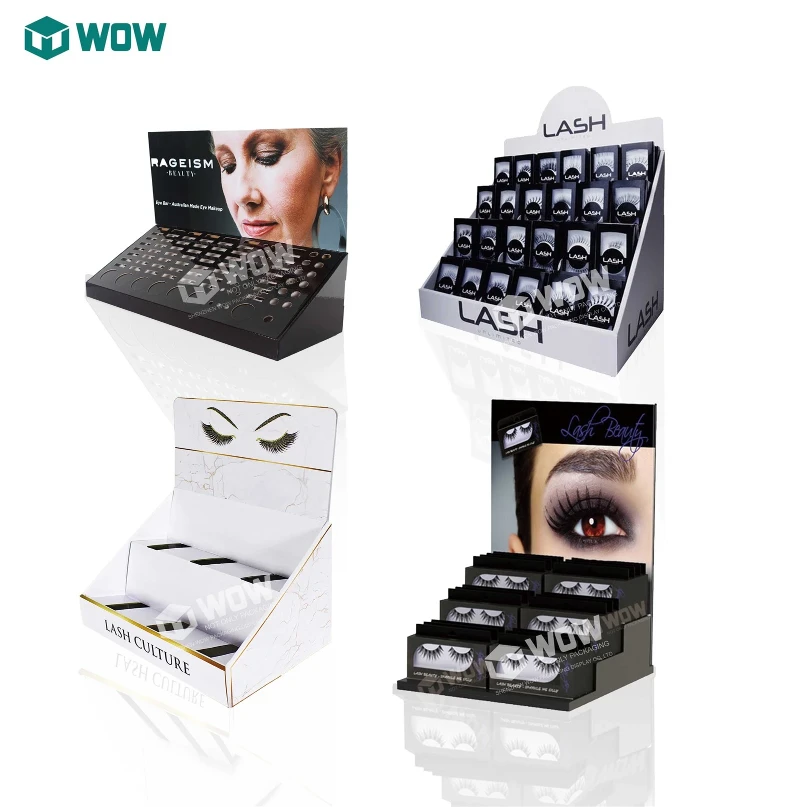
Types of PDQ Display Boxes by Structure
PDQ display boxes can be engineered in different structural formats depending on product size, weight, quantity, retail location, and replenishment requirements. The best structure is not necessarily the most complex one; it is the one that makes the product easy to ship, place, shop, and restock.
Open-Front PDQ Boxes
Open-front structures provide direct product visibility and easy shopper access. They are suitable for products that need to be picked directly from the display and are commonly used for compact packaged goods.
Shelf-Style PDQ Boxes
Shelf-style PDQ boxes use internal levels or compartments to organize products. This structure can be useful when several products or SKUs need to be presented within a limited footprint.
Gravity-Feed PDQ Boxes
Gravity-feed structures use an angled product tray to help products move toward the front as items are removed. This can help maintain product visibility and simplify replenishment.
Dump Bin PDQ Boxes
Dump-bin structures provide an open container for loose or individually packaged products. They are suitable for promotional items and products designed for high-volume shopper access.
Shipping-to-Display PDQ Boxes
Some PDQ boxes are designed to support both transportation and retail presentation. The display structure can be developed together with the shipping configuration so that products arrive protected while the display remains ready for retail use.
If you want to compare broader PDQ formats beyond box structures, see our guide to different types of PDQ displays.
Applicable Scenarios for PDQ Display Boxes
PDQ display boxes are suitable for a variety of retail stores and product display settings, such as supermarkets, department stores, and specialty shops. They are especially ideal for situations that require frequent product changes or regular display adjustments, like promotional activities and seasonal displays. By using PDQ display boxes, retailers can quickly switch products or adjust display layouts, improving efficiency and reducing costs.
What Products Work Best in PDQ Display Boxes?
PDQ display boxes are particularly useful for products that benefit from compact presentation, easy access, and frequent replenishment. The structure can be customized according to the size, weight, packaging format, and sales environment of the product.
Food and Snacks
Small packaged snacks, confectionery, biscuits, and similar products can be presented in compact cardboard PDQ boxes designed for quick product access.
Beverages
Lightweight beverage products and promotional drink formats can be displayed using structures engineered around product weight, quantity, and loading requirements.
Cosmetics and Personal Care
Cosmetics, personal care products, and small promotional items can use branded PDQ boxes to combine product organization with visual presentation.
Household Products
Small household products and accessories can be organized using compartments or open-front structures to improve visibility and keep products neatly arranged.
Electronics Accessories
Compact accessories such as cables, chargers, and other small products can be displayed using customized box structures based on SKU dimensions and product accessibility.
Promotional Products
PDQ display boxes can also support temporary campaigns, seasonal promotions, new product launches, and impulse-purchase programs where fast setup and product visibility are important.
How to Design a PDQ Display Box
A successful PDQ display box should be designed around the product and retail workflow rather than starting with graphics alone. Structural decisions can affect product stability, shipping efficiency, store setup, shopper access, and replenishment.
1. Start With Product Dimensions
The length, width, and height of the product determine the internal dimensions of the display box. The structure should provide enough clearance for efficient loading without allowing unnecessary movement during transportation.
2. Consider Product Weight
Product weight affects the required board specification and structural support. Heavier products may require stronger bottom panels, reinforced side walls, dividers, or additional internal support.
3. Define Display Capacity
The number of products that need to be displayed affects the width, depth, height, and load-bearing requirements of the box. Capacity should be considered together with expected sales volume and replenishment frequency.
4. Choose the Right Loading Method
Products may be loaded individually, in rows, in compartments, or through a gravity-feed configuration. Choosing the loading method early can prevent unnecessary structural changes later.
5. Design Around the Retail Location
A PDQ box placed on a shelf may require a different footprint from one used on a checkout counter or promotional table. Available retail space should therefore be considered before the final dimensions are confirmed.
6. Plan Printing Around the Structure
Once the structure is defined, visible panels can be used for brand graphics, product information, promotional messages, pricing, or other visual merchandising elements.
7. Consider Shipping From the Beginning
The display should not only look good after it reaches the store. Its structure should also be evaluated for packing, transportation, handling, and store setup.
A good PDQ display box therefore balances product fit, structural strength, retail presentation, logistics, and ease of use.
How to Choose the Right PDQ Display Boxes
When selecting PDQ display boxes, businesses should consider the following factors:
- Product Characteristics: Choose display boxes that match the shape, size, and weight of the products. Ensure that the products can be securely placed in the display boxes and are easy for consumers to pick up and examine.
- Display Requirements: Select display boxes that fit the display area, space, and layout. Make sure the display boxes can adapt to different display environments and achieve the best visual effect.
- Cost Budget: Choose display boxes that fit within the company's budget. While ensuring that the display boxes meet the product display requirements, aim to minimize costs and maximize cost-effectiveness.
- Environmental Requirements: If the company values environmental sustainability, opt for PDQ display boxes made from eco-friendly materials, such as cardboard or plastic. Additionally, consider recyclable display boxes to reduce environmental impact.
- Quality Assurance: Choose a reliable PDQ display box manufacturer to ensure the quality and durability of the display boxes. Pay attention to detail and quality control during the production process to ensure that each display box meets the expected standards.
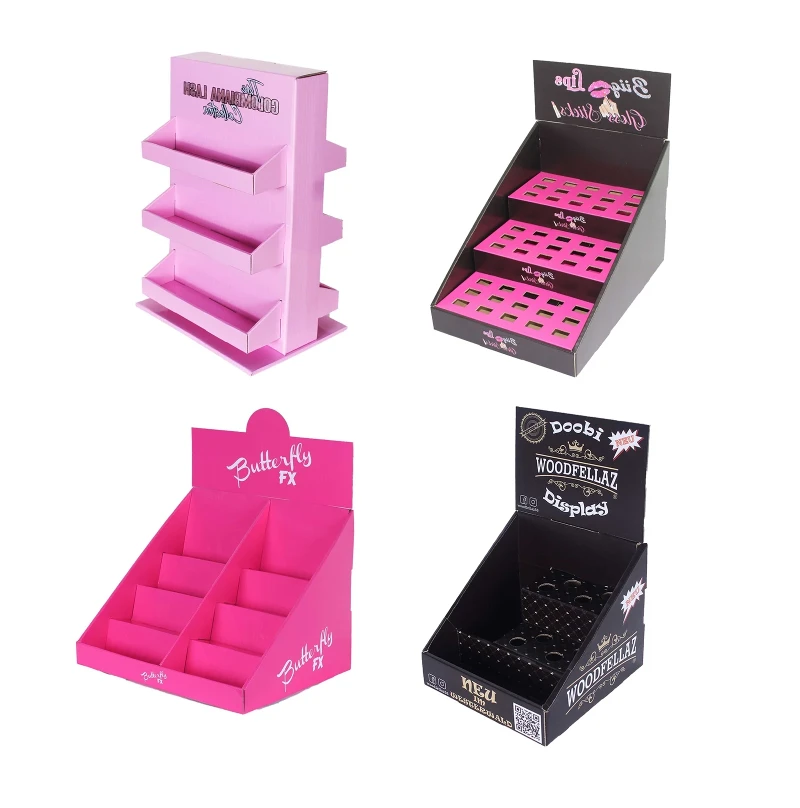
PDQ Display Box vs. Traditional Shipping Carton
Although both products can be made from corrugated cardboard, a PDQ display box and a traditional shipping carton are designed for different purposes.
| Feature | PDQ Display Box | Traditional Shipping Carton |
|---|---|---|
| Product protection | Yes | Yes |
| Retail presentation | Designed for presentation | Limited |
| Product visibility | High | Usually limited |
| Shopper access | Easy access | Usually requires opening |
| Branding | Customizable | Customizable |
| Store setup | Designed for retail deployment | Not normally designed for display |
| Replenishment | Considered during design | Not a primary function |
The main difference is that a PDQ display box can combine packaging and merchandising requirements.
A conventional carton primarily protects products during transportation. A PDQ display box can continue to serve a purpose after delivery by presenting products, supporting shopper access, and simplifying replenishment.
Are PDQ Display Boxes Environmentally Friendly?
Cardboard and corrugated materials are widely used for PDQ display boxes because they provide a balance between structural performance, printability, weight, and recyclability.
The environmental performance of a display project depends on more than the material itself. Board specification, printing, coatings, laminations, adhesives, packaging efficiency, transportation, and end-of-life handling can all affect the overall result.
For brands looking to reduce unnecessary packaging, a PDQ display box can combine product packaging and retail presentation into one solution. This may reduce the need for additional display materials and simplify the transition from shipping to merchandising.
When developing an environmentally conscious PDQ display, manufacturers can consider:
- recyclable cardboard or corrugated materials
- efficient material usage
- appropriate board specifications
- low-waste structural design
- optimized packaging
- efficient transportation
- suitable recyclable finishing options
For projects designed specifically for Walmart, retail shelf requirements and display tray specifications should be considered during the engineering stage. See our guide to Walmart PDQ display tray standards for more details.
Conclusion
PDQ display boxes provide a practical way to combine product packaging and retail presentation in one structure. Their quick setup, flexible sizing, product accessibility, branding potential, and compatibility with cardboard and corrugated materials make them suitable for a wide range of retail applications.
The right structure depends on the product, display capacity, retail location, transportation requirements, and replenishment method. A well-engineered PDQ box should not only present the product effectively but also remain practical throughout shipping, store setup, and daily retail use.
FAQ
1.What is a PDQ display box?
A PDQ display box is a retail-ready cardboard or corrugated box designed to hold and present products while making them easy to access, replenish, and merchandise in a retail environment.
2.What are PDQ display boxes used for?
PDQ display boxes are used for retail merchandising, promotional campaigns, seasonal programs, product launches, impulse-purchase products, and other applications where products need to be presented quickly and conveniently.
3.What materials are used for PDQ display boxes?
Cardboard and corrugated board are commonly used for PDQ display boxes. The appropriate material and board specification depend on product weight, display capacity, transportation requirements, and the intended retail environment.
4.Can PDQ display boxes be customized?
Yes. Custom PDQ display boxes can be developed according to product dimensions, weight, quantity, loading method, retail space, printing requirements, transportation, and packaging needs.
5.Are PDQ display boxes recyclable?
Many cardboard and corrugated PDQ display boxes can be recyclable, depending on the specific materials, coatings, laminations, adhesives, and finishing processes used in the final product.
6.How are PDQ display boxes different from shipping cartons?
A traditional shipping carton is primarily designed for transportation and product protection. A PDQ display box can combine transportation requirements with retail presentation, product accessibility, branding, and replenishment considerations.