








Walk through a supermarket and you will notice that some endcaps do more than hold products. A giant snack package, a Christmas tree filled with chocolates, or a display that automatically moves products forward can turn an ordinary shopping trip into a memorable brand experience.
For FMCG and CPG brands, retail endcap displays provide a dedicated space to introduce new products, communicate promotions and express brand identity. Research into the sales effectiveness of supermarket endcapsalso highlights the importance of display placement when planning retail promotions.
From oversized product shapes to interactive cardboard endcap displays, the right concept can bring together brand storytelling, product merchandising and practical retail execution. Here are 10 creative endcap display ideas and practical design examples for FMCG brands planning their next in-store campaign.
10 Creative Endcap Display Ideas for Retail Promotions
Oversized Product-Shaped Endcap Displays
Sometimes, the product packaging itself is the best source of design inspiration. Enlarging a beverage can, snack bag or confectionery box into a three-dimensional structure creates a familiar visual reference that shoppers can recognize from a distance.
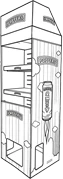
WOW DISPLAY's Red Bull-inspired pop-up structure demonstrates how corrugated cardboard can recreate the shape of a beverage can while folding into a compact format. This concept can be adapted into cardboard endcap displays with dedicated merchandise compartments. For brands with distinctive packaging, these creative endcap displays offer an alternative to conventional rectangular structures without requiring an entirely new visual identity.

Seasonal Storytelling Endcaps
A Christmas promotion becomes more engaging when the display itself contributes to the festive atmosphere. Rather than simply printing holiday graphics on a standard structure, brands can incorporate recognizable seasonal shapes into the display.
WOW DISPLAY's Christmas-themed display uses honeycomb cardboard to create tree-shaped side panels and wide merchandise shelves. The decorative silhouette establishes the festive theme, while the shelf structure provides practical space for packaged goods. Similar seasonal endcap displays can be developed for Easter, Halloween and other holiday campaigns.
Read more about how to design retail displays for seasonal promotions and adapt structural elements to different campaign themes.

Cross-Merchandising Endcaps for Everyday Occasions
A breakfast-themed endcap might bring together cereal, granola bars, oatmeal and dried fruit. Instead of presenting unrelated products, the display gives shoppers a clear reason to consider them together.
Among the most practical retail endcap display examples are grocery store end cap displays organized around everyday occasions, such as family breakfasts, movie nights or weekend baking.
Different packaging sizes can be accommodated through separate shelf sections, cardboard dividers and PDQ display trays. The aim is to create a coordinated product assortment while keeping individual items easy to identify and replenish.
Hero Product Endcaps for New Launches
When introducing a new product, filling every available inch of an endcap with inventory may not be the best approach. A new product needs enough visual space for shoppers to understand what makes it different.
Branded endcap displays can feature a dedicated hero product area above or within the main merchandise section. A large product image, a short benefit statement or a distinctive three-dimensional header establishes the visual focus, while the lower shelves provide shopping stock without competing with the central message. This layout is particularly suitable for functional foods, new snack varieties and personal care products entering a competitive category.

Color-Coded Endcaps for Multi-SKU Product Ranges
A brand offering six snack flavors or several toothpaste formulas faces a different merchandising challenge: helping shoppers distinguish between similar products. When packaging looks alike, a crowded display can make product selection unnecessarily difficult.
Color-coded shelf edges, printed dividers and individual merchandise trays can create a visual connection between each product variant and its designated shelf space. A pet food brand, for example, could assign different colors to chicken, beef and fish products while maintaining consistent branding. This approach to endcap display design also helps store employees return products to their correct positions during replenishment.
6. Interactive Gravity-Feed Endcap Displays
Not every interactive display needs electronic components. Gravity-feed structures use the movement of the merchandise itself to introduce a different shopping experience. When a shopper removes an item, the remaining products move toward the front of the dispensing channel.
For cylindrical snack containers, small beverage bottles and suitable boxed goods, gravity-feed mechanisms can be incorporated into interactive endcap displays. The channel angle, packaging dimensions, surface friction and front retaining edge must work together to ensure reliable dispensing.
A compact gravity feed cardboard display can also provide a starting point for developing a larger endcap solution. Physical product testing is important because a structure designed for round containers may not perform equally well with rectangular packaging.
Gift-with-Purchase Promotional Endcaps
Gift-with-purchase campaigns can become confusing when regular merchandise, free gifts and promotional messages are mixed together. The physical layout of an endcap can make the offer easier to understand.
A personal care brand, for instance, could place its shampoo range on the main shelves and reserve a separate compartment for complimentary travel-sized products. A clearly positioned header communicates the offer, while the gift area remains visually distinct from the products for sale. These promotional endcap displays help brands explain purchase conditions without relying on excessive printed instructions.
QR Code Endcaps That Connect In-Store and Online Campaigns
There is only so much information a brand can print on an endcap before the graphics become crowded. A well-positioned QR code gives shoppers access to additional content without overwhelming the display.
Food brands could link to recipe ideas, pet food brands could provide feeding guides, and personal care brands could share product demonstrations or promotional coupons. A specific instruction such as "Scan for 5 Easy Breakfast Recipes" gives shoppers a clearer reason to interact than an unexplained QR code.
For brands exploring connected product information, the GS1 Digital Link guidance for brands provides further information on connecting physical products with digital content. Whether using a standard marketing QR code or a GS1-enabled solution, brands should test scan distance, print contrast and mobile accessibility before production.
Three-Sided Endcaps for Multi-Angle Visibility
Shoppers approach supermarket endcaps from different directions. A display designed only for front-facing visibility may miss opportunities to communicate with people moving along adjacent aisles.
Three-sided supermarket endcap displays use the front and side panels as additional branding or merchandising surfaces. Depending on the available space, narrow side compartments can hold smaller products, while larger printed panels communicate the main campaign message.
Brands can also incorporate cardboard sidekick displaysto create additional merchandising opportunities. Before developing a side-facing structure, confirm the retailer's permitted footprint, product access requirements and aisle clearance.
Modular Endcaps with Replaceable Campaign Graphics
FMCG brands rarely run just one promotion throughout the year. The same product range may appear in a spring campaign, a summer promotion and a holiday event, each requiring different visual communication.
Modular custom endcap displays can retain a suitable main structure while allowing headers, side panels and selected merchandise trays to be replaced. This gives brands greater flexibility when updating campaign messages. For cardboard structures, repeated use depends on material durability, handling conditions and the intended service life. Replaceable graphics should therefore be considered during the initial structural design rather than added as an afterthought.
Turning Creative Ideas into Custom Cardboard Endcap Displays
A creative concept may look impressive on a design screen, but its real value depends on how well it performs in a retail environment. The most useful retail endcap display examples balance brand creativity with product compatibility, structural performance and store-level operations.
Before developing custom endcap displays, brands should evaluate the following practical requirements.
| Design Consideration | What Brands Should Evaluate |
|---|---|
| Product Compatibility | Packaging dimensions, product weight, packaging shape and SKU quantities. |
| Retail Space | Available endcap width, depth, height, fixture type and aisle clearance. |
| Structural Performance | Shelf support, display stability, load capacity and product accessibility. |
| Campaign Duration | Material durability, expected service life and graphic replacement requirements. |
| Store Operations | Assembly, product loading, shopper access and replenishment. |
| Distribution | Packing format, transportation and store-level installation. |
A product-shaped display needs enough internal space to support merchandise without losing its recognizable silhouette. A gravity-feed design requires physical product testing before mass production. Even a simple seasonal display must account for the combined weight of the products on its shelves. Our guide to effective endcap display design explores additional considerations for developing practical retail structures.
At WOW DISPLAY, we combine creative development with structural engineering, prototyping and production planning. Our approach helps brands develop cardboard endcap displays that reflect their campaign ideas while meeting the practical requirements of retail distribution and merchandising.
A distinctive product shape, recognizable brand graphics or a well-defined promotional theme can help an endcap stand apart from surrounding merchandise. Effective endcap display design should communicate a clear message while making products easy to identify, compare and purchase.
Seasonal themes, cross-merchandising displays, color-coded product ranges and oversized product shapes are useful end cap display ideas for grocery stores. The most suitable concept depends on the product category, promotional objective, available space and retailer requirements.
Yes. Corrugated and honeycomb cardboard can be cut, folded and assembled into customized shapes, dimensional headers, decorative side panels and product-inspired structures. Internal support should be engineered according to the dimensions and weight of the merchandise, particularly for displays with oversized graphics or irregular silhouettes.
Replaceable headers, removable side panels and modular product trays allow selected campaign elements to be changed without replacing the entire structure. The main display must be designed for its expected service life and the anticipated frequency of graphic changes.
Not necessarily. Gravity-feed channels, product dispensers, movable cardboard elements and printed QR codes can introduce interaction without built-in electronic hardware. The choice depends on the desired shopper experience, product characteristics and campaign budget.
Yes. Custom cardboard components can be developed to fit existing gondola endcaps or other approved retail fixtures. Accurate measurements, installation details and retailer specifications should be confirmed before structural development begins. Our guide to the best display types for retail endcap promotions explains several structural options for different retail environments.
The best endcap display ideas begin with a clear understanding of the product, campaign objectives and people buying it. Whether the goal is to launch a new snack range, celebrate a seasonal event or introduce a more convenient way to shop, the display should support the brand's message as well as the merchandise.
With 15 years of industry experience, WOW DISPLAY helps FMCG brands turn creative concepts into custom cardboard endcap displays through structural engineering, prototyping and mass production.
Turn Your Endcap Display Idea into a Retail-Ready Solution
Share your product details, campaign theme, retail requirements or reference images with our team. From creative concepts to structural development and production, WOW DISPLAY can help you create a display suited to your brand and retail environment.