





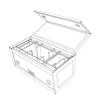



When you're trying to choose the best product display for your store and inventory, you may be confused by the many terms and definitions. While these types of displays may sound similar, there are actually quite a few differences between them. To avoid confusion, we'll clarify what hook display and sidekick displays mean in this post.
What is a Sidekick Display?
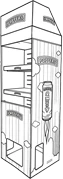
Also known as power wings or display side covers, side kick displays are designed to maximize store space when displaying products.
The main purpose of this display style is to increase impulse purchases by placing it in high-traffic areas of the store. Using side kick displays can help you quickly clear out old product inventory or test new products. Side kick displays are an effective way to see if consumers are interested in a new product by stocking it on a small scale. If the product sells well, the store may consider stocking more of it in the future.

Side kick displays are usually made of cardboard and can have shelves to stack products or feed chutes that release products individually, just like pressing a lever to get a fork or straw at your favorite takeout place. They can also be left open to hold hanging products, and sometimes they are attached to metal or wire baskets and panels that support the display when it is hung in the aisle.
These displays are usually placed on the side of an end cap, but are versatile and can be placed on almost any retail shelf. The Powerwing can be easily converted to a stand-up display by placing it on a base with a slanted backing to keep the Powerwing upright.
Of course, the Side Cover Display can also serve as a standalone display in the store area of your choice. To further educate customers about the product and encourage purchase, we recommend customizing your Side Cover Retail Display with text, photos, and even social media hashtags.
What are hook displays?
If you have ever walked around a retail store, you may have seen hook displays. As the name implies, these displays use hooks to hang merchandise, and are typically used to hang small, lightweight products such as accessories, tools, stationery, etc. These point-of-purchase displays (POPs) are designed to maximize vertical space utilization, facilitate easy access for shoppers, and display the full appearance of the product.

Hook displays are typically placed in aisles, near checkout counters, or as standalone display units. They are flexible in design and highly customizable, with the arrangement and number of hooks being changed depending on product category and promotional needs. Slogans and visual designs on hook displays can attract customers' attention and increase the chances of impulse purchases.
The main purpose of hook displays is to clearly display multiple items so that customers can see the products at a glance. They are very common in many retail environments, especially for small items and easy-to-buy product types such as spare parts, accessories, or promotional items.
Most hook displays are made of corrugated cardboard, metal, or plastic. The choice of material is usually determined by the weight and type of merchandise being displayed. For lighter items, corrugated cardboard displays offer an environmentally friendly, economical solution, while for heavier items, steel or plastic hook displays are more stable and durable.
Key differences between the Sidekick and Hook displays
While Sidekick and Hook Displays have some similarities in terms of displaying portable products, there are some key differences between them that you need to know when choosing between the two.
The first difference is the display method. Hook Displays hang merchandise from hooks, making them suitable for hanging small, lightweight items such as tools, accessories, or stationery. In contrast, Sidekick displays usually have shelves or compartments for placing merchandise, making them suitable for displaying products of different sizes and weights.

Another key difference is the environment in which they are used. Sidekick displays are usually placed next to the cash register or fixed to the side of the shelf, which allows for high flexibility. It can help utilize the corners of the retail space. Hook Displays are commonly found anywhere in the aisles of the store, using vertical space to hang products. They are usually placed in places that are easy for customers to access and are suitable for fast-selling products.

The two displays are also designed for different purposes. Hook Displays are suitable for displaying multiple small items of the same category, which helps to hang them neatly and save space. Sidekick Displays are more suitable for displaying a variety of products and visually entice customers to buy.
How Hook and Sidekick Displays Can Showcase Your Products and Boost Sales
Discover how hook displays and sidekick displays can help your business increase sales and attract new customers.
1. Capture shoppers' attention
Using visually appealing POP displays is an effective way to grab shoppers' attention. Hook displays neatly hang small items so shoppers can find what they need at a glance, while sidekick displays entice shoppers to browse through multi-level displays. Unique, eye-catching displays will help your brand stand out in a competitive retail environment and provide shoppers with a memorable shopping experience.
The more attractive the display, the more likely shoppers are to stop and browse and make a purchase decision, increasing the chances of future brand recognition and repurchase.
2. Increase brand awareness
Hook displays and sidekick displays can also enhance brand awareness through brand logos and personalized designs. POP displays are a low-cost and effective way to promote your brand in a retail space. You can tell a brand story or convey product features on the display through visual design and custom signage to attract consumers' interest.
Increased brand awareness can effectively promote customer loyalty and repeat purchase behavior.
3. As in-store advertising
POP displays not only display products, but also serve as in-store advertising tools. Hook displays display products in a hanging manner, making the products stand out and easy to pick up when customers walk by. Side displays are flexibly arranged in multiple locations in the store, helping consumers quickly find the products they need through neat displays.
Companies can use displays to convey product benefits and features, ultimately encouraging customers to buy immediately. Especially in checkout areas or high-traffic aisles, POP displays are a powerful booster to increase impulse purchases.
What to Display
When choosing what products to display on a hook or side display, the most suitable products are usually small, lightweight, and affordable products. Hook displays are ideal for displaying small items such as accessories, tools, or personal care products, while side displays are suitable for displaying a variety of sizes and types of products, such as snacks, promotional products, or other high-frequency purchases.
Also, consider running promotions or specials on the display, as this will further stimulate customers' desire to buy.

The best place to display products
Whether it is a hook display or side display, it is crucial to ensure that the display is placed within the customer's line of sight. Products hung or displayed at eye level are most likely to attract customers' attention and make them make a purchasing decision easily. Avoid placing them too high or too low to reduce the possibility that customers will ignore them due to inconvenience.
If you want to learn more about the use of hook displays and side displays, as well as how to maximize sales through customized retail display stands, stay tuned for our articles.
Contact: Allen Tel/Whatsapp: +86 186 7564 6976 Email: info@wowpopdisplay.com