










In the fast-paced retail environment, efficiency and visibility are paramount. PDQ, an industry acronym for "Pretty Darn Quick" or "Product Displayed Quickly," represents a cornerstone of effective point-of-sale merchandising. A PDQ display is a retail-ready, often pre-filled merchandising unit designed for instantaneous deployment on the sales floor. This comprehensive overview explores the utility, benefits, and evolving trends of PDQ corrugated displays, illustrating why they are an indispensable tool for brands and retailers alike.
What Is a PDQ Display?
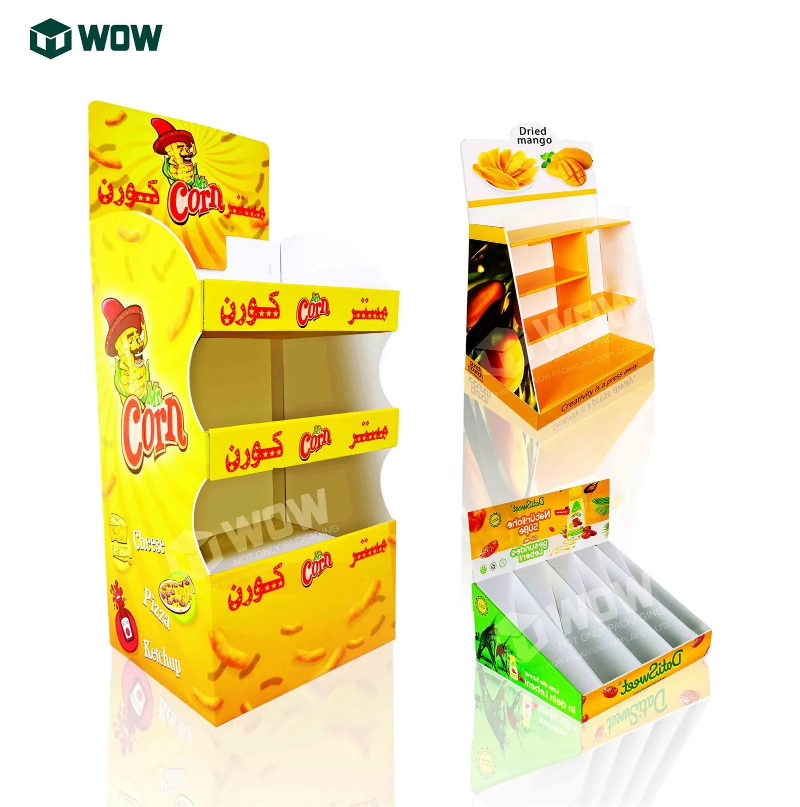
A PDQ display is a self-contained merchandising solution that combines shipping packaging with consumer-facing presentation. Primarily constructed from corrugated cardboard, these units are engineered for durability, lightweight logistics, and high-impact graphics. The most recognizable form is the PDQ tray, a countertop unit perfect for checkout lanes. However, the format extends to a variety of custom PDQ displays, including:
- Bin displays
- Multi-tiered rack displays
- Pallet displays and floor stands
- Endcap displays
These Corrugated cardboard displays arrive at stores pre-assembled and stocked, requiring staff to simply remove the outer transit packaging and place the unit in its designated high-traffic location. This eliminates complex assembly, ensures perfect product presentation, and turns a logistics container into a powerful branding asset.

What Are PDQ Displays Used For in Retail?
PDQ displays are widely used in retail environments where brands need a fast, organized, and attractive way to present products. Unlike traditional shelf packaging, PDQ displays are designed to help products stand out directly at the point of purchase while allowing retailers to quickly set up promotional displays.
In many retail campaigns, brands use PDQ displays for products that require high visibility and easy access, especially in areas with frequent customer interaction, such as checkout counters, promotional aisles, end caps, and seasonal display areas.
Common applications of PDQ displays include:
Snacks and Food Products
Corrugated PDQ displays are frequently used for snacks, confectionery, and small food products. The structure allows multiple items to be presented neatly while supporting impulse purchases in high-traffic retail areas.
Cosmetics and Personal Care Products
For beauty and personal care brands, cardboard PDQ displays provide an effective way to create branded product presentations while maintaining flexibility for seasonal promotions or new product launches.
Electronics Accessories and Small Items
Accessories such as chargers, cables, small gadgets, and consumer electronics products often require compact displays that maximize limited retail space. PDQ displays provide an efficient solution for organizing these products and improving visibility.
Promotional and Seasonal Campaigns
Because PDQ displays are lightweight and easy to customize, they are commonly selected for limited-time promotions, product launches, and retail marketing campaigns where quick installation and strong branding are important.
With custom printing, structural design options, and flexible configurations, PDQ displays can be tailored to different product sizes, weights, and retail environments.
The Role of PDQ in Retail: Beyond Simple Packaging
In retail execution, PDQ displays are synonymous with Shelf-Ready Packaging (SRP). Their strategic value lies in their dual function:
- Operational Efficiency: They drastically reduce the time and labor cost associated with in-store merchandising. Store associates bypass the process of opening multiple cases and stocking individual shelves.
- Brand Control and Marketing: Every custom PDQ display serves as a guaranteed brand billboard at the point of purchase. It controls the messaging, graphics, and product arrangement, directly influencing consumer perception and impulse decisions.
By functioning as both a logistics and marketing tool, cardboard PDQ packaging ensures that a brand's go-to-market strategy is executed flawlessly at the final and most critical stage: the store floor.
Key Benefits of Implementing PDQ Displays
Adopting PDQ corrugated cardboard displays delivers a compelling return on investment through multiple channels:
1. Accelerated Time-to-Market: Displays can be set up in seconds, enabling rapid launch of promotions, seasonal campaigns, or new products across thousands of locations simultaneously.
2. Guaranteed Merchandising Consistency: Brands maintain 100% control over how their product is presented, eliminating inconsistencies that occur with manual store-level stocking.
3. Optimized Impulse Sales:Designed for high-visibility locations like checkouts and aisle ends, these displays are proven to significantly increase unplanned, incremental purchases.
4. Supply Chain and Space Efficiency: Shipping flat and assembling without tools, they reduce freight volume and storage space. On the floor, their design maximizes product density per square foot of valuable retail space.
5. Enhanced Brand Visibility and Storytelling: The large graphic panels on PDQ corrugated displays communicate brand values, key product benefits, and promotional calls-to-action directly at the moment of purchase decision.
6. Sustainable Choice: Made from recyclable corrugated cardboard, these displays align with corporate sustainability (ESG) goals and consumer preferences for eco-friendly materials.

Custom Corrugated PDQ Displays for Retail Brands
Corrugated PDQ displays provide brands with a practical solution for presenting products while maintaining strong visual impact and efficient logistics. Made from durable corrugated cardboard, these displays combine lightweight construction with customizable designs that support different retail requirements.
When developing a custom PDQ display, brands usually consider several important factors:
Product Size and Display Capacity
The structure of a PDQ display should match the product dimensions and required quantity. Proper shelf spacing and reinforcement design help ensure products remain organized and easy for customers to access.
Branding and Printing Options
One of the major advantages of cardboard PDQ displays is the ability to create fully customized graphics. High-quality printing helps brands communicate their visual identity and attract attention in competitive retail environments.
Shipping and Store Setup
Corrugated PDQ displays are often designed with transportation and installation in mind. Flat-pack structures and efficient packaging can help reduce shipping costs while allowing retailers to quickly assemble displays when needed.
Retail Environment Requirements
Different locations may require different PDQ display structures. Counter areas, checkout zones, shelves, and promotional spaces all have different requirements for size, durability, and visibility.
By combining structural design, material selection, and customized printing, brands can create PDQ displays that support both marketing goals and retail operations.
Design Considerations for Effective PDQ Displays
Creating a successful custom PDQ display requires careful planning around several factors:
- Product Specifications: The size, weight, and shape of the primary SKU dictate the internal structure, compartmentalization, and required corrugated board strength (e.g., B-flute, E-flute).
- Retail Placement Parameters: Design must adhere to the exact dimensional and weight constraints of the target location, whether it's a grocery checkout lane, a mass merchandiser endcap, or a specialty store counter.
- Graphics and Messaging: High-quality litho-lamination or direct print graphics are crucial for capturing attention. Design should incorporate clear branding, hero imagery, and a concise value proposition.
- Durability and Functionality: The unit must withstand handling throughout the supply chain and repeated customer interaction in-store. Features like reinforced corners, secure product holders, and easy restock access are key.
Ideal Product Categories and Retail Environments
PDQ displays are exceptionally versatile but are most effective for small to medium-sized Fast-Moving Consumer Goods (FMCG). Prime product categories include:
- Confectionery & Snacks: Candy, gum, mints.
- Personal Care: Lip balm, travel-sized products, cosmetic accessories.
- Consumer Electronics: Phone chargers, cables, headphones, batteries.
- Seasonal & Promotional Items.
These displays thrive in retail environments characterized by high foot traffic and impulse-driven shopping:
- Mass Market & Grocery Retailers (checkout lanes, endcaps)
- Convenience Stores & Gas Stations
- Pharmacies & Drugstores
- Electronics and Specialty Retail Shops
Emerging Trends in PDQ Display Innovation
The PDQ display category continues to evolve with retail trends:
- Advanced Sustainability: Beyond recyclability, there is a growing use of post-consumer recycled (PCR) content, soy-based inks, and designs that minimize material use without sacrificing strength.
- Integrated Digital Engagement: Custom PDQ displays increasingly feature strategically placed QR codes that bridge the physical display with digital content-directing consumers to tutorials, promotional offers, or loyalty program sign-ups.
- Structural and Functional Sophistication: Innovations in die-cutting and engineering allow for more complex, self-locking structures that require no tape or glue, and integrated features like pilfer-resistant designs or interactive elements.
- Hybrid Material Use: For premium products, combinations of corrugated cardboard with clear acetate windows, reusable plastic components, or magnetic closures enhance perceived value while maintaining the core quick-deployment advantage.
Conclusion
PDQ corrugated displays represent a critical intersection of logistics efficiency and targeted marketing. They solve a fundamental retail challenge by ensuring products move swiftly from the delivery truck to a perfectly presented, brand-controlled destination in front of the consumer. For brands, investing in well-designed custom PDQ displays is a proven strategy to secure prime retail real estate, drive impulse purchases, and strengthen brand equity at the final-and most decisive-point of the customer journey.
FAQ
1.What does PDQ mean in retail?
PDQ stands for Product Display Quickly in retail. PDQ displays are designed to provide a fast and convenient way to display products while improving visibility and accessibility in stores.
2.What products are suitable for PDQ displays?
PDQ displays are suitable for many small and medium-sized products, including snacks, cosmetics, electronics accessories, toys, promotional items, and other retail products that benefit from quick product presentation.
3.Are PDQ displays made from cardboard?
Many PDQ displays are made from corrugated cardboard because it offers advantages such as lightweight construction, easy customization, efficient shipping, and recyclable material options.
4.What is the difference between PDQ displays and regular cardboard displays?
PDQ displays are a specific type of cardboard display designed for quick product presentation and easy retail setup. Compared with general cardboard displays, PDQ structures often focus more on shelf-ready packaging, fast installation, and point-of-purchase merchandising.