








In most retail stores, snack products compete in a very limited visual space. Customers rarely compare every option on the shelf. They pick what they notice first, what feels easy to grab, or what looks familiar.
This is where a snack display becomes more than just a holder. It acts as a point of sale display that directly affects how fast products move.
For brands planning in-store promotions, using well-structured snack display solutions is often one of the simplest ways to improve sales without changing the product itself.
Why Snack Displays Still Matter More Than Shelf Space
Standard shelving is designed for storage efficiency, not for product exposure. Snack products placed on regular shelves often compete side by side with dozens of similar items.
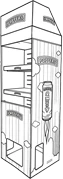
A separate cardboard display stand changes that dynamic. It pulls the product out of the shelf system and places it into the customer's natural path.
In actual retail environments, especially in supermarkets and convenience stores, displays positioned outside the main shelf area consistently receive more interaction. This is not only about visibility. It is about reducing the effort required for the customer to make a decision.
Where Snack Displays Work Best in Real Stores
Different store formats require different placement strategies. There is no single "best position," but there are patterns that repeat across most retail environments.
Store entrance areas
Used for promotional snacks or seasonal campaigns. These displays work well when the goal is quick exposure rather than detailed product comparison.
Checkout counters
Small-sized snack items perform better here. Customers are already waiting, and low-cost products are easier to add without hesitation.
Endcap displays (aisle ends)
These locations naturally receive traffic from multiple directions. They are often used for bundle promotions or new product launches.
Center aisle or island displays
Suitable for bulk snacks or multi-SKU presentations. These displays require stronger structure and better stability due to higher product volume.
For brands working across multiple store types, it is common to adjust the display format rather than using a single design everywhere. You can explore more retail snack display solutions for different store environments here:

Snack Display Ideas That Actually Drive Sales
Instead of focusing only on appearance, effective snack displays usually follow a few practical principles.
Eye-Level Focus for Core Products
Products placed at eye level are picked up more frequently. In most stores, this means positioning key SKUs between chest and eye height.
For floor displays, it is common to place high-margin or fast-moving items in the middle tiers, not at the bottom.
Countertop "Grab-and-Go" Displays
Small counter display stands placed near checkout areas are one of the most stable sales drivers for snacks.
These displays work best when:
Products are individually packaged
Price points are low
Customers do not need additional explanation
In convenience stores, this type of display often performs better than larger floor units for impulse purchases.
Multi-SKU Tiered Displays
Instead of displaying a single product, many brands now use tiered structures to show multiple flavors or variations.
A well-designed custom product display stand can:
Increase product visibility
Encourage comparison
Improve overall basket size
This approach is especially common in supermarkets where customers prefer to choose between options rather than buying a single SKU.
Seasonal and Promotional Displays
Snack sales are often linked to seasons or events. Displays designed for specific campaigns (holiday colors, limited offers) tend to attract more attention than permanent designs.
These displays do not need to be long-lasting. Speed of deployment and visual clarity matter more than durability in these cases.
Compact Displays for Narrow Spaces
Not all stores have space for large floor displays. In many urban retail formats, narrow or vertical displays perform better.
These structures:
Fit into small gaps between shelves
Maintain product visibility without blocking movement
Reduce risk of being knocked over

Choosing the Right Material for Snack Displays
Material selection affects both performance and cost.
Most widely used for snack promotions. Lightweight, easy to transport, and suitable for short-term campaigns.
Metal display stands
Used for long-term fixtures. Higher durability but less flexible in design changes.
Acrylic display stands
More common in premium retail environments. Clean appearance but higher cost.
For most snack brands, custom cardboard snack display stands offer the best balance between cost, flexibility, and speed. They can be produced quickly and adapted to different campaigns without major investment.
Why Custom Snack Displays Help Brands Scale Faster
As brands expand into more stores, consistency becomes more important than individual display design.
Custom displays support:
Faster rollout across multiple locations
Reduced setup time for store staff
Consistent brand presentation
Better control over product visibility
Working with an experienced cardboard display factory also reduces the risk of redesign during production.
For brands planning large-scale promotions, using custom snack display solutions for retail projects allows faster execution and fewer issues during store installation.

Conclusion
Snack displays are not only about presentation. They are part of the retail execution system. Placement, structure, and material all influence how customers interact with products.
In many cases, improving display strategy delivers faster results than changing packaging or pricing.
If you are planning a snack promotion or evaluating your current retail setup, it is worth reviewing how your display performs in real store conditions.
At WOW Display, we develop snack display solutions based on product structure, retail layout, and campaign requirements.
FAQ
1.What is the best snack display for retail stores?
Floor displays and countertop displays are the most commonly used. The choice depends on store size, product type, and promotion strategy.
2.Are cardboard snack displays strong enough for heavy products?
Yes. With proper structure design, a cardboard display can typically support 15–30 kg per shelf.
3.How long does it take to produce custom snack display stands?
Sample production usually takes 3–5 days. Mass production takes around 10–15 days depending on quantity.
4.What is the difference between floor and counter snack displays?
Floor displays are used for bulk or multi-product presentation. Counter displays are smaller and designed for impulse buying.
5.Can snack display stands be customized for branding?
Yes. Size, structure, printing, and layout can all be customized to match brand requirements and retail environments.