










Why Some Snack Displays Sell Faster Than Others
Walk into any supermarket and you'll notice one thing quickly-some snack products move fast, while others sit untouched. It's rarely just about the product itself. In most cases, the difference comes down to how the product is displayed.
A standard shelf places your product among dozens of competitors. A well-designed snack display creates separation, improves visibility, and guides customer behavior. For brands working in retail environments, the display is not an accessory. It is part of the selling system.
This is where snack display stands for supermarkets become critical. The right structure, placement, and layout can directly influence impulse buying and overall sales performance.
Types of Snack Displays Used in Supermarkets
Different retail environments require different display strategies. Choosing the wrong type can limit visibility or reduce efficiency at store level.
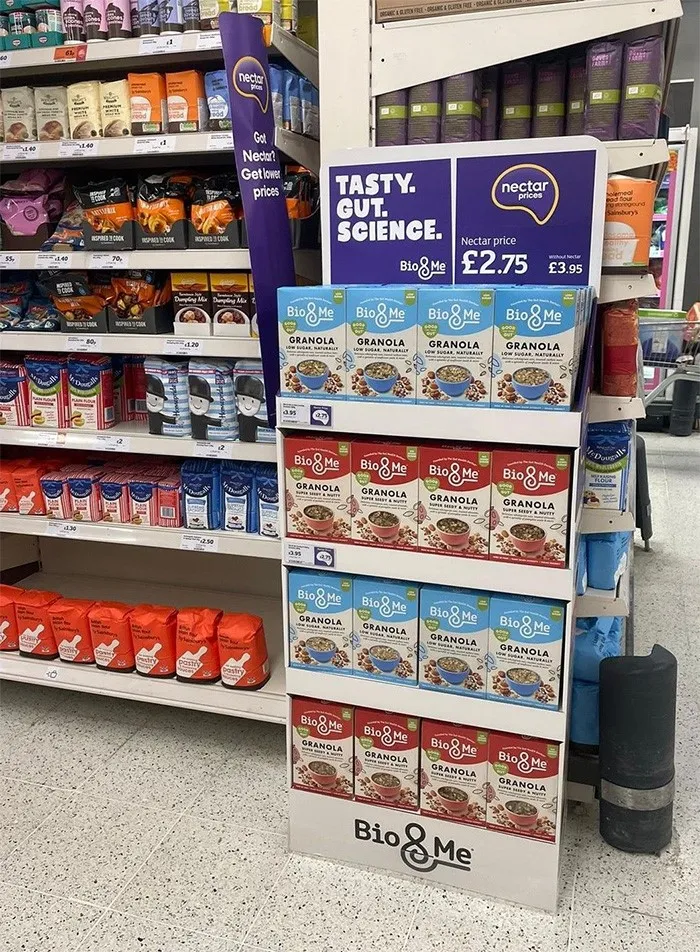
Freestanding Floor Displays (FSDU)
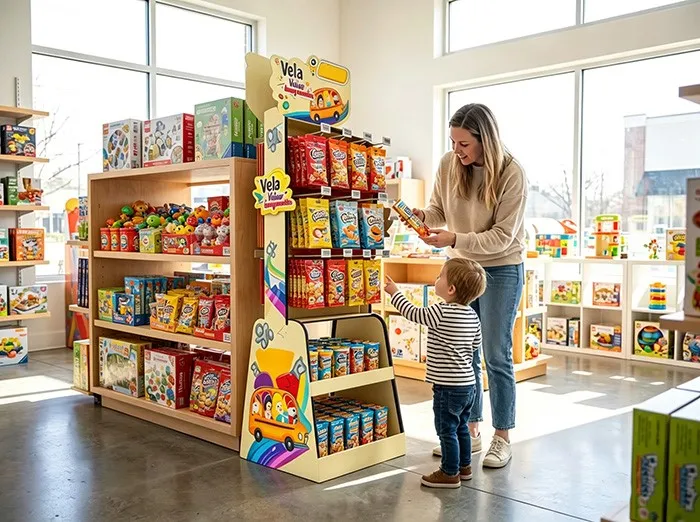
Freestanding floor displays are widely used for snacks because they operate outside traditional shelving. They create an independent selling zone.
Positioned in aisles or promotional zones
Suitable for multi-SKU presentation
Strong visibility from multiple angles
For products like chips, chocolate, and packaged snacks, this type of cardboard retail display stand helps organize items clearly while maintaining high exposure.
A well-structured unit can typically hold 15–20 kg per shelf, depending on material and internal support design.
Endcap Displays
Endcap displays are located at the end of aisles, where shopper traffic naturally slows down.
High exposure from cross-traffic
Commonly used for promotions
Strong impact for new product launches
Retailers often prioritize this space for high-margin or promotional items. When combined with a cardboard point of sale display, the conversion rate is usually higher than standard shelf placement.
Countertop Displays
Countertop displays are designed for checkout areas where purchase decisions happen quickly.
Small footprint
Easy product access
Designed for impulse buying
They work best for low-cost snack items such as candy, gum, or small packaged goods. The structure must allow fast restocking and clear product visibility from the front.
Dump Bin Displays
Dump bins are used for bulk presentation and price-driven sales.
Large capacity
Minimal organization required
Encourages volume purchase behavior
Shoppers often associate bin displays with discounts or temporary offers. This makes them effective for promotional snacks or clearance campaigns.
Sidekick Displays
Sidekick displays attach to shelves or other display units.
Utilizes unused space
Supports cross-selling
Works well for small products
They are often used to complement primary displays, increasing overall product exposure without requiring additional floor space.
Key Design Factors for High-Performing Snack Displays
Choosing the right type is only part of the decision. Performance depends heavily on how the display is engineered.
Visibility and Placement
Products should be visible within seconds. Displays placed at eye level or in high-traffic zones consistently outperform those placed inside standard shelving rows.
Key factors:
Aisle flow direction
Entry and checkout proximity
Visual contrast with surroundings
Structural Strength and Load Capacity
Many issues in retail come from weak structures. Bending shelves or unstable bases reduce product presentation quality.
A reliable cardboard display supplier will consider:
Corrugated flute type (B, EB, BC)
Reinforced shelf edges
Internal support structures
For heavier snack items like bottled beverages or multi-pack products, double-wall construction is often required.
Ease of Assembly and Handling
Retail staff are not trained installers. Displays must be simple to assemble.
Best practices include:
Pre-folded structures
Interlocking tabs instead of glue
Clear assembly instructions
Faster setup reduces labor cost and increases deployment speed across stores.
Product Accessibility
Customers should be able to pick up products without effort.
Common mistakes:
Overcrowded shelves
Poor spacing between items
Hard-to-reach top tiers
Good design improves both shopping experience and restocking efficiency.
How to Choose the Best Snack Display for Your Products
There is no single "best" display. The right choice depends on your product type, sales strategy, and retail environment.
Here is a practical selection guide:
|
Scenario |
Recommended Display |
|
|
New product launch |
Freestanding floor display |
|
|
Checkout impulse items |
Countertop display |
|
|
Promotional campaigns |
Endcap display |
|
|
Bulk or discount sales |
Dump bin display |
|
|
Cross-selling |
Sidekick display |
If your product range includes multiple SKUs, combining different display types often delivers better results.
For example, a floor display for visibility combined with a countertop unit for impulse purchases can improve overall performance.
For more detailed solutions, you can explore our supermarket snack display solutions designed for real retail environments.
Common Mistakes That Reduce Display Performance
Even with the right display type, execution errors can limit results.
Overloading the Display
Too many products reduce clarity and make the display look unorganized.
Ignoring Weight Distribution
Placing heavy items on upper shelves can cause instability.
Poor Placement
Displays placed in low-traffic areas fail to generate attention.
Weak Structural Design
Low-quality materials or poor engineering lead to bending or collapse.
Conclusion
In supermarket environments, snack displays are not just storage units. They influence how products are seen, how customers interact with them, and how quickly they sell.
Freestanding displays, endcaps, countertop units, and bins each serve different purposes. The most effective strategy is to match the display type with the product, placement, and sales objective.
A well-designed cardboard display stand combines structure, visibility, and usability. When executed correctly, it supports both brand presentation and retail efficiency.
If you are planning a supermarket rollout or looking to improve in-store performance, working with an experienced cardboard display factory can help you develop a solution that fits both your product and your retail environment.
FAQ
1.What is the best snack display for supermarkets?
Freestanding floor displays combined with strategic placement such as endcaps usually deliver the best results.
2.Are cardboard display stands strong enough for snacks?
Yes. With proper structural design, they can support 15–30 kg per shelf depending on material and reinforcement.
3.Where should snack displays be placed in supermarkets?
High-traffic areas such as aisle ends, entrances, and checkout zones perform best.
4.How many products should a snack display hold?
Typically 3–6 SKUs per display for clear visibility and easy selection.
5.How long do cardboard snack displays last?
Most displays last 1–3 months depending on environment and usage conditions.