











In modern retail environments, products compete fiercely for shopper attention. Simply placing items on standard store shelves often isn't enough to attract customers or communicate brand value.
This is why custom corrugated displays have become a powerful marketing tool for brands. These displays combine structural design, branding, and visual merchandising to create a dedicated promotional space for products directly inside retail stores.
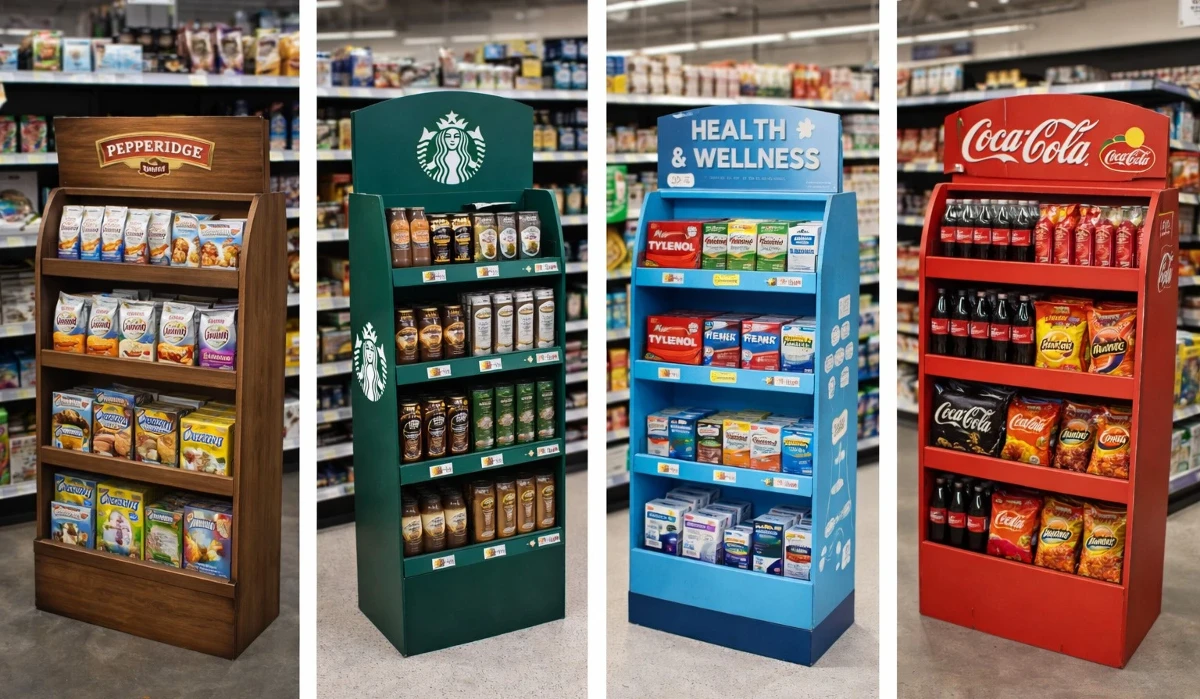
Corrugated POP displays are commonly positioned in high-traffic areas such as store entrances, aisle ends, and checkout zones, helping products stand out and encouraging impulse purchases.
But designing an effective display requires more than creativity-it involves strategy, structural engineering, and retail knowledge.
This step-by-step guide explains how to design a custom corrugated display that attracts attention, supports your product, and performs successfully in retail stores.
Step 1: Define Your Objective and Target Audience
Before starting the design process, it's essential to understand the purpose of your display.
Ask yourself several key questions:
- What is the main goal of this display?
- Is it for launching a new product or promoting a seasonal campaign?
- Who is the target audience?
- What action should shoppers take when they see the display?
For example:
A display for children's toys will likely use bright colors, playful graphics, and easy product access.
A display for premium cosmetics may focus on elegance, minimal design, and strong brand storytelling.
Understanding the target shopper helps determine:
- display structure
- messaging style
- graphics and colors
- product arrangement
Clear objectives ensure every design decision supports the marketing goal.
Step 2: Conceptualize the Display Design and Structure
Once the objective is clear, the next step is transforming the idea into a workable display concept.
During this stage, designers evaluate:
Display Type
Choose the format that best suits the retail environment.
Common options include:
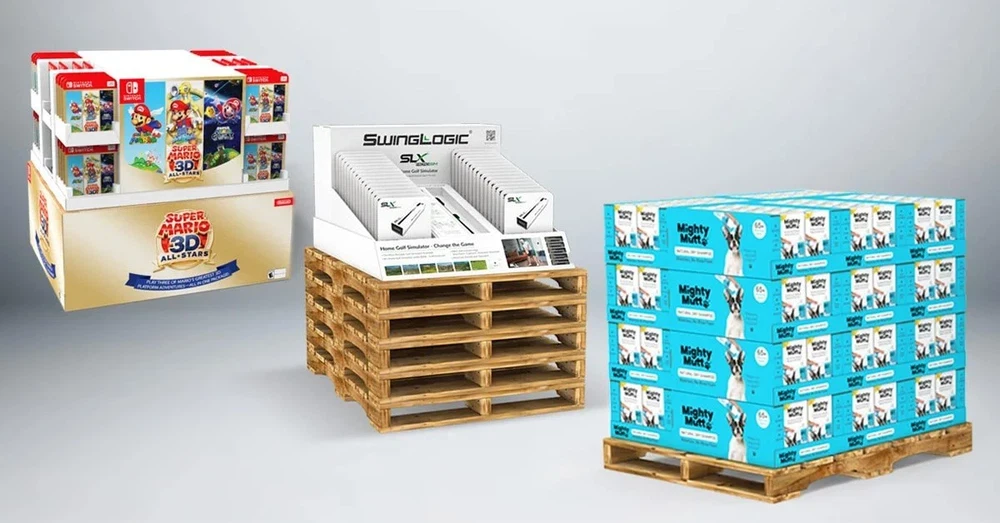
free-standing floor displays (FSDU)
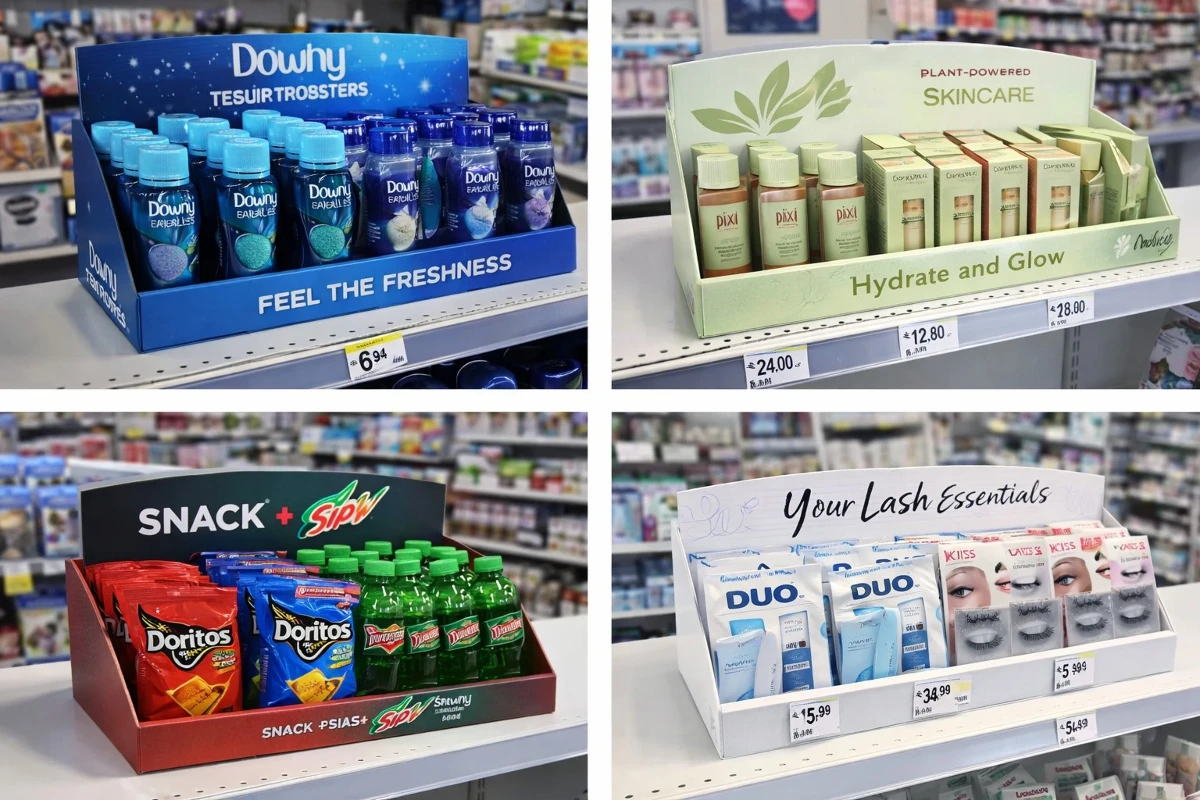
shelf displays
Each display type serves a different retail purpose.
Product Capacity
Determine how many products the display needs to hold.
Important factors include:
product dimensions
product weight
packaging shape
The structure must safely support the total load without bending or collapsing.
Customer Interaction
Think about how customers will interact with the display.
Should the design allow shoppers to:
easily grab products?
view multiple SKUs?
see product information quickly?
Good display design balances visual appeal and usability.
Step 3: Select the Right Corrugated Material
Material selection plays a critical role in display durability and appearance.
Corrugated cardboard consists of fluted layers sandwiched between linerboards. Different flute types offer different strengths.
Common options include:
|
Flute Type |
Characteristics |
Best Application |
|
E-Flute |
thin and smooth surface |
small displays |
|
B-Flute |
strong and durable |
retail displays |
|
BC Double Wall |
very strong |
heavy products |
Choosing the correct board ensures the display remains stable during transportation, stocking, and customer interaction.
Another advantage of corrugated material is sustainability. The material is recyclable and widely used in eco-friendly packaging solutions, making it attractive for brands focused on sustainable retail strategies.
Step 4: Develop the Graphic Design
Graphics are the element that immediately captures shopper attention.
Effective display graphics follow several key principles.
Keep Messaging Simple
Customers usually glance at displays for only a few seconds. Clear and concise messaging helps them quickly understand the product benefit.
Use Strong Branding
Brand colors, logos, and visual identity should be prominent so shoppers instantly recognize the brand.
Highlight Key Information
Important information should appear in the following order:
1. Headline or promotional message
2. Product imagery
3. Key selling points
4. Pricing or call-to-action
This hierarchy helps guide customer attention.
High-quality printing also enhances the display's visual impact and reinforces brand perception.
Step 5: Create Structural Graphics and Dielines
The technical foundation of any corrugated display is the dieline.
A dieline is a digital template that defines:
- cutting lines
- folding lines
- perforations
- assembly tabs
Designers use dielines to ensure the display can be produced accurately and assembled easily.
Two important technical considerations are:
Bleed Areas
Bleed refers to extra graphic space extending beyond the trim line to prevent white edges after cutting.
Safety Zones
Important text and logos must stay inside safe areas so they aren't cut off during manufacturing.
Proper dieline preparation ensures the display maintains both structural accuracy and visual quality.
Step 6: Prototype and Structural Testing
Before mass production begins, manufacturers typically create a prototype.
The prototype allows designers and brands to evaluate:
- structural strength
- product fit
- assembly process
- visual presentation
During testing, engineers may adjust:
- shelf thickness
- support panels
- locking mechanisms
This step helps prevent structural failures once the display is placed in retail stores.
Step 7: Plan Logistics and Assembly
Logistics planning is often overlooked during the design phase, but it plays a major role in project success.
Many corrugated displays are designed to ship flat-packed, reducing shipping costs and warehouse space.
Other displays may be pre-assembled or pre-filled with products, allowing retailers to place them directly on the store floor.
Retailers often prefer displays that:
assemble quickly
require minimal tools
save store labor time
Designing with logistics in mind improves efficiency throughout the supply chain.
Ready to Design Your Custom Corrugated Display?
Designing an effective corrugated display requires a balance of creativity, engineering, and retail strategy.
From defining your marketing objective to developing structural dielines and testing prototypes, each step contributes to the success of the final display.
A well-designed display can:
- attract customer attention
- increase product visibility
- strengthen brand identity
- drive impulse purchases
By following this structured design process and working with an experienced display manufacturer, brands can create high-impact retail displays that deliver measurable results.