







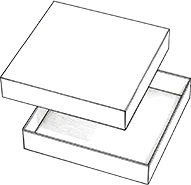




A PDQ display tray used in Walmart is never just a printed tray holding products. In real retail use, it has to do much more than that. It must fit the shelf correctly, protect the products during shipping, remain easy for shoppers to buy from, and stay practical for store staff to place, refill, and move.
That is why a Walmart PDQ display project often becomes more technical than it first appears. A tray can look clean in a drawing and still fail once it reaches the shelf. In most cases, the problem is not the graphic design. It is the lack of retail-ready thinking behind the structure.
This is the key point of the whole article: a good pdq tray display is not only about presentation. It is about making the product easier to place, easier to shop, and easier to maintain in a real Walmart environment.
What Is a PDQ Display Tray in Walmart?
In Walmart, a pdq display tray is best understood as a shelf-ready merchandising format. Products are usually pre-packed inside the tray, and the tray is designed to move quickly from the shipping carton to the selling space with minimal extra handling.
That is what makes it different from a standard shelf carton. A normal carton is mainly built for packing and transport. A Walmart PDQ tray has to keep working after arrival. It needs to support product visibility, direct shopper access, and efficient replenishment during the selling period.
So in practical terms, a Walmart PDQ tray is both packaging and display at the same time. It is not just there to carry products. It is there to help sell them.

Why Walmart PDQ Trays Need More Careful Planning
A lot of tray projects look simple in the early stage. The structure may seem basic, the product quantity may appear easy to arrange, and the branding may already look finished. But once the tray enters actual retail use, weaknesses show up very quickly.
A Walmart tray usually has to work well in four areas at once:
- shelf fit
- shipping protection
- shopability
- restocking ease
If one of these is weak, the tray may still be produced, but it will not perform well on the retail floor.
This is why Walmart tray design should never be treated as only a packaging exercise. It is a retail execution exercise too.
Shelf Fit Matters More Than Many Buyers Expect
One of the most common mistakes in a pdq display tray project is sizing the tray around product count first and shelf condition second. That order often creates problems.
A tray may technically hold the right number of units, but still be wrong for Walmart shelf use if it is too tight, too deep, or awkward to access. A poor fit can make the tray harder to place, harder to shop from, and more vulnerable to damage during normal store handling.
The better approach is simple: start with the real shelf condition, then design the tray around it.
When checking shelf fit, buyers should think about:
- the actual shelf width
- usable shelf depth
- how many facings are really needed
- how easy it is for shoppers to grab products
- whether multiple trays may need to share one shelf
A Walmart PDQ display that does not fit the shelf correctly will almost always create trouble later, even if the tray looks attractive in sample form.
Shipping Protection Is Part of the Design
A tray that arrives damaged is already a failed display.
This is where many projects lose value before they even reach the shelf. The tray may be designed for shelf appearance, while transport protection is treated as a separate issue. In reality, these two things should be planned together.
For corrugated PDQ displays, the tray and the shipper should be treated as one system. The project should protect:
- the product itself
- the tray walls
- the front opening area
- the printed visual panel
- the overall structure during stacking and transport
If the tray shape is distorted before store placement, the display immediately loses some of its selling power. That is why shipping protection is not just a logistics detail. It is part of the display design.
Easy Shopping and Easy Restocking Matter Just as Much
A strong pdq tray display should work for both shoppers and store associates.
From the shopper's side, the tray should make the products easy to see, easy to understand, and easy to pick up. From the store side, it should be easy to open, easy to place, easy to refill, and easy to move without causing damage.
This affects practical design points such as:
- the height of the front cut
- the visibility of the product pack
- the ease of hand access
- the stability of the tray during refilling
- the amount of effort needed to move the unit
A tray that looks clean but is difficult to shop from will weaken conversion. A tray that is difficult to restock will weaken store execution. Good Walmart PDQ design should support both.
Walmart PDQ Display Tray Sizing and Load Basics
Sizing a tray is not just about calculating how many units fit inside. It is about making sure the tray works comfortably in a real retail setting.
Width matters because the tray must sit correctly in the intended shelf space. Depth matters because it affects both shelf compatibility and shopper access. If the tray is too deep, it can become harder to shop from and harder to refill. If the width is poorly planned, it can create awkward placement or unnecessary pressure in the shelf area.
Weight matters for the same reason. A tray does not fail simply because the total number seems high. It fails when the real product load is not matched to the board strength, tray structure, and weight distribution. Product density, product arrangement, and load concentration all affect performance.
That is why custom PDQ trays should always be designed around the actual packed product, not just around a visual concept.
A better sizing process usually works like this:
- 1. define the real selling space
- 2. decide the tray footprint
- 3. confirm product orientation and facings
- 4. check load logic
- 5. then finalize the artwork and branded panels
When that order is reversed, revisions become much more likely.

What Products Work Best in a Walmart PDQ Tray?
Not every product fits naturally into a tray format. A Walmart PDQ program usually works best when the product is shelf-friendly, easy to pick, and suited to quick retail access.
Products that often work well include:
- snacks
- candy
- small boxed goods
- cosmetics
- personal care items
- health products
- accessories
- trial-size or promotional packs
These categories match the strengths of corrugated PDQ displays because they benefit from compact presentation, direct shopper access, and efficient replenishment.
At the same time, not every product belongs in a tray. Very heavy products, unstable shapes, tall packs, or items that need more storytelling space may perform better in another display format. In those cases, a sidekick, floor display, or pallet structure may be a stronger choice.
The important thing is not to force every product into a PDQ tray just because the format seems convenient.
How to Build Better Custom PDQ Trays for Walmart
When buyers talk about custom PDQ trays, they often think first about graphics. But in a Walmart project, real customization starts much earlier than print design.
A strong custom display Solution should include:
- shelf-based sizing
- product-load planning
- tray and shipper coordination
- shopper-friendly opening design
- restocking-friendly structure
- retail-ready execution logic
That is what turns a tray from a generic printed unit into a real Walmart-ready format.
Start With Shelf Space, Not Artwork
The best sequence is to define the actual shelf or selling location first, then decide tray width, depth, and product orientation, and only after that build the visual design around the structure.
When artwork leads the project too early, the tray often needs unnecessary redesign later.
Design the Shipper and the Tray Together
A tray never reaches the store by itself. If the shipper fails, the tray fails too.
A stronger custom display Solution treats shipping protection as part of the display design, not as a separate afterthought. That approach helps reduce crushed walls, distorted openings, and visible damage during transport.
Think About Store Handling Early
A buyer may approve the concept, but store associates are the people who deal with it every day. They open the package, place the tray, refill it, and move it when necessary.
That means a better Walmart PDQ display should also be reviewed for:
- opening method
- placement speed
- refill access
- movement without damage
- day-to-day practicality
If the tray creates friction for store staff, it weakens the whole program.
Use Custom Design to Reduce Risk
This is where custom work really proves its value.
A good custom pdq trays project should reduce:
- shelf-fit risk
- shipping damage risk
- restocking friction
- revision rounds
the gap between sample approval and real retail use
That is the practical difference between a generic tray and a truly useful custom display Solution.
What Buyers Should Check Before Approving a Walmart PDQ Tray
Before approving the final design, it helps to ask a few direct questions.
Does the tray fit the actual Walmart shelf condition?
Is the structure strong enough for the real product load?
Will the tray still look clean after transport?
Can shoppers pick products easily?
Can store staff refill it quickly without damaging the unit?
These questions are usually more useful than simply asking whether the tray "looks good." A tray that is visually strong but weak in fit, usability, or protection creates more problems than value.
Conclusion
A PDQ display tray used in Walmart should never be treated as only a printed retail box. It is a retail-ready packaging and merchandising unit that has to work at several levels at once: shelf fit, shipping protection, shopper access, and store usability.
That is why the best corrugated PDQ displays are not simply the ones with the strongest graphics. They are the ones that work well for the product, the shelf, the shopper, and the store team together.
A strong Walmart PDQ display is not just about looking right. It is about making the retail program easier to place, easier to shop, and easier to maintain from beginning to end.
FAQ
1.What is a Walmart PDQ display tray?
A Walmart PDQ display tray is a shelf-ready tray format used to present pre-packed products directly in the retail space, making placement, shopping, and replenishment more efficient.
2.What products work best in a PDQ tray display?
Products that are small, shelf-friendly, and easy to pick usually work best, such as snacks, candy, cosmetics, health items, personal care items, accessories, and promotional packs.
3. Why is shelf fit important for a Walmart PDQ tray?
Because the tray must work within the real shelf condition. If the fit is too tight or poorly planned, the tray can become harder to place, harder to shop from, or easier to damage.
4.Are custom PDQ trays better than standard trays?
They often are, because they can be designed around the actual product, shelf space, shipping method, and retail use requirements instead of relying on a generic format.
5.What should a custom display solution include for Walmart PDQ programs?
A good custom display solution should include shelf-fit planning, structural design, product-load logic, tray and shipper coordination, and store-friendly usability.
6.When is a PDQ tray not the best display choice?
A PDQ tray may not be the best fit for very heavy products, unstable product shapes, very tall items, or products that need a larger floor display or pallet-based presentation.