










When brands develop premium packaging, the first things they usually consider are visual elements: colors, graphics, finishes, and overall appearance. These elements are important because packaging is often the first physical interaction between a customer and a product.
However, the quality of a rigid box is not determined by the surface design alone. The material hidden inside the packaging plays an equally important role. It affects how the box feels in the customer's hands, how well it protects the product, and whether the final packaging can achieve the premium image a brand expects.
This is where greyboard becomes important.
As the structural foundation of many rigid box packaging solutions, greyboard provides the strength and stability needed to create high-quality packaging structures. From luxury candle boxes to cosmetic gift sets and retail presentation boxes, the choice of greyboard can directly influence the performance and perception of the final product.
For brands looking for custom rigid boxes, understanding the role of greyboard helps make better decisions during the packaging development process.
Greyboard: The Structural Foundation Behind Rigid Boxes
Greyboard is a thick paperboard material commonly used as the inner structure of rigid boxes. Unlike decorative papers that provide the external appearance, greyboard is responsible for creating the solid framework of the packaging.
During manufacturing, greyboard is cut into different panels and assembled into the basic shape of the box. The structure is then wrapped with printed paper, specialty paper, or other decorative materials to achieve the final look.
A typical rigid box is made up of several layers working together:
Greyboard as the structural core
Printed or decorative paper as the outer surface
Lining paper for the interior finish
Although customers may only see the printed surface, the greyboard underneath determines whether the box feels stable, premium, and durable.
This is why rigid box manufacturers pay close attention to material selection before production begins. The wrong board choice can affect everything from the box shape to the final user experience.

Why Greyboard Matters More Than Just Box Thickness
A common misunderstanding is that a thicker box automatically means better quality. In reality, rigid box performance depends on how the material works with the overall structure.
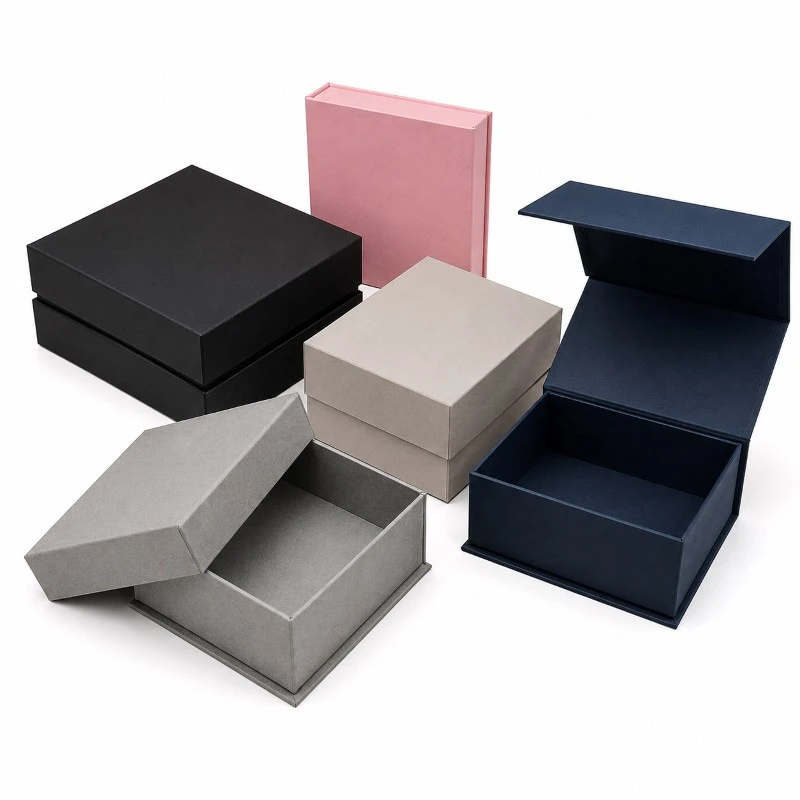
Greyboard provides the rigidity needed for the box to maintain its shape. This is especially important for packaging styles such as magnetic closure boxes, drawer boxes, and book-style boxes, where precise edges and smooth operation are essential.
A well-selected greyboard helps achieve:
- Cleaner corners and edges
- Better shape retention
- More stable box construction
- A stronger premium feeling
For example, a luxury candle brand may invest heavily in fragrance development and product design. However, if the packaging feels weak or easily deforms, the customer's perception of the product value can be affected.
The material inside the box supports the experience customers expect from premium packaging.
How Greyboard Selection Affects Custom Rigid Box Design
Not every rigid box requires the same type of greyboard. Material selection should be based on the product, packaging structure, and intended application.
A small cosmetic gift box may require a different board thickness compared with a large electronics package. A retail display box that needs to maintain a strong visual presence may also require different structural considerations.
Several factors influence greyboard selection:
Product Weight
Heavier products require stronger support. Packaging manufacturers need to evaluate the product weight and how the box will be handled during transportation and retail display.
Box Size and Structure
Larger boxes usually require stronger structural support to prevent bending or deformation.
The opening style also matters. A magnetic closure box, for example, needs enough rigidity to maintain alignment between the lid and base.
Brand Positioning
Material selection also affects how customers perceive a product.
A premium skincare brand may choose a stronger rigid box structure because the packaging needs to communicate quality before the customer even opens it.
For this reason, choosing greyboard is not simply a material decision. It is part of the overall packaging strategy.
Greyboard vs Other Packaging Materials: Making the Right Choice
Different packaging materials serve different purposes. The right choice depends on whether the priority is protection, presentation, cost, or flexibility.
Greyboard vs Folding Carton Board
Folding carton board is widely used for printed carton box solutions because it offers efficient production, good printability, and lower cost for large-volume packaging.
However, folding cartons are thinner and more flexible compared with rigid boxes.
Greyboard-based rigid boxes are better suited for products that require:
Stronger structure
Premium appearance
Better shelf presentation
Enhanced unboxing experience
For everyday consumer products, folding cartons may be a practical solution. For luxury products or gift packaging, rigid boxes often provide stronger brand value.
Greyboard vs Corrugated Board
Corrugated board is commonly used for shipping cartons because of its lightweight structure and protective performance.
Its main purpose is transportation.
Greyboard serves a different role. It is designed to create presentation packaging where appearance and structure are equally important.
For example:
A corrugated box may protect a product during shipping.
A greyboard rigid box may become part of the product experience itself.
Many brands actually combine different materials, using corrugated packaging for logistics and rigid boxes for premium presentation.
Greyboard and Its Role in Premium Retail Packaging
For brands selling through retail channels, packaging is not only about protection. It also contributes to product presentation.
This is why greyboard is commonly used in display boxes for retail and premium product packaging.
A rigid structure allows brands to create packaging that looks organized and professional when displayed on shelves.
For example, luxury candles, beauty products, and gift collections often rely on rigid packaging because customers associate solid construction with higher product value.
The combination of greyboard structure and customized printing allows brands to achieve different visual styles, from minimalist premium designs to highly decorative gift packaging.
In competitive retail environments, packaging needs to communicate quality quickly. The structure of the box becomes part of the brand message.
Choosing the Right Material Partner for Custom Rigid Boxes
Material selection is only one part of developing successful custom rigid box packaging. Brands also need a packaging partner that understands how materials, structures, and production processes work together.
An experienced supplier should be able to support:
Material recommendation based on product requirements
Structural design and engineering
Prototype development
Printing and finishing solutions
Production quality control
A good packaging partner does not simply manufacture a box according to drawings. They help brands evaluate whether the design is practical, cost-effective, and suitable for large-scale production.
For companies developing premium packaging, this collaboration can reduce design risks and ensure the final product matches both brand expectations and market requirements.
Conclusion
Greyboard may not be visible in the final packaging, but it plays a critical role in determining the quality of rigid boxes.
It provides the structural foundation that allows brands to achieve stronger protection, cleaner designs, and a more premium customer experience.
For businesses developing custom rigid boxes, selecting the right greyboard is an important step in balancing appearance, functionality, and production requirements.
From luxury candles and cosmetics to retail gift products and premium consumer goods, greyboard-based packaging continues to be a preferred choice for brands that want their packaging to deliver more than simple product protection.
A successful rigid box is not created by decoration alone. The right material, structure, and design must work together to create packaging that represents the value of the product inside.