








Walk into any toy store and one thing becomes obvious very quickly: products do not sell through packaging alone. Placement matters. Visibility matters. The way a toy is presented can influence whether a shopper notices it, understands it, and decides to pick it up.
That is why choosing a toy display style should never be treated as a small visual decision. A display affects far more than appearance. It shapes how customers move through the space, how easily they compare options, and how efficiently staff can replenish products during the day.
Not every toy should be displayed the same way. A boxed educational set needs a different presentation from a lightweight accessory pack. Plush toys create a different kind of shopping response than collectibles or blind-box items. The best display style is the one that fits the product, the space, and the shopping behavior behind it.
Start With the Product, Not the Fixture
The most common mistake in toy merchandising is choosing the display first and forcing the product to adapt. That usually leads to weak presentation. A display may look attractive in a concept sketch, but if it does not suit the packaging shape, product weight, or browsing pattern, it will not work well in store.
Product format should guide the decision from the beginning. Boxed toys usually need a stable surface and clear front-facing presentation. Hanging-pack items perform better on peg hooks or racks. Plush toys often benefit from open, approachable formats that feel easy to touch and browse.
Once the product is understood clearly, the display choice becomes much easier. Instead of asking which fixture looks better, the retailer can ask a more useful question: which format helps this product sell more naturally?

Shelf Displays Work Best for Structure and Clarity
Shelf displays are one of the most reliable solutions in toy retail. They offer order, stability, and visual separation. For boxed toys, puzzles, board games, educational kits, and collectible series, shelves often make the shopping experience smoother because products can be grouped in a clean, readable way.
This format is especially useful when packaging carries important front-panel information. Parents comparing age guidance, learning features, or product differences need time to read. A shelf gives that product room to speak.
Shelves also support operational efficiency. Store teams can check stock levels quickly, keep the section tidy, and organize lines by brand, theme, or age group without too much visual clutter. When the goal is clarity, shelves are often the strongest choice.
Hanging Displays Are Strong for Small, Lightweight Toys
Some toy categories simply work better on hooks. Small accessories, pocket-money toys, carded products, and lightweight impulse items often gain more visibility when they hang in organized rows rather than sit on a crowded shelf.
This kind of display uses vertical space well. It also allows more SKUs to be shown in a smaller footprint, which is valuable in tighter retail environments. Shoppers can scan the range quickly, while staff can spot empty hooks and refill them without much effort.
Still, density should be controlled carefully. A hook display becomes less effective when too many products overlap or when spacing is too tight. The structure should feel full, not messy. Good hanging displays create order and speed. Poor ones create noise.
Freestanding Displays Create Focus
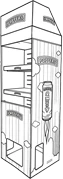
When a retailer wants to draw attention to a product line, a freestanding display usually does more than a standard aisle section. It creates presence. It can introduce a new launch, support a seasonal campaign, or give a featured collection its own space within the store.
That is why floor-standing toy displays are often used for holiday programs, character collections, movie tie-ins, and promotional best sellers. They stand apart from the regular layout, which makes them useful for products that need extra visibility.
A well-designed freestanding display should do two things at once: capture attention and stay practical. It needs enough branding to communicate the story, but not so much that the shopper loses sight of the product. The display should feel purposeful, not oversized for its job.
Countertop Displays Are Built for Fast Decisions
Some toys are not meant to be browsed for long. They are meant to be noticed, understood quickly, and added to the basket almost on impulse. That is where countertop and point-of-sale displays perform best.
Mini collectibles, novelty toys, surprise packs, and lower-price add-on items often suit this format. Positioned near checkout or in compact traffic zones, these displays can turn underused space into a selling opportunity.
The key is restraint. A countertop display should be easy to read in seconds. If it carries too many SKUs, too much messaging, or packaging that is too large, it stops feeling convenient and starts feeling crowded.

Think About Who Is Actually Shopping
Toy retail is different from many other categories because the buyer and the end user are often not the same person. A child may be drawn to bright visuals and familiar characters. The adult making the purchase may be looking for price, educational value, safety, or gift suitability.
That difference matters when selecting a display style. A product aimed at younger children may need lower placement and stronger visual immediacy. A collectible toy aimed at adults may benefit from cleaner presentation and more structured grouping. The same store can require very different merchandising logic across categories.
Good display planning takes this into account. It does not just ask what the toy is. It asks who notices it first, who evaluates it, and who makes the final buying decision.
Let the Store Layout Guide the Choice
A display can look excellent on its own and still fail in the wrong position. Retail space changes everything. A narrow store with tight aisles may benefit more from hanging racks or slim shelf units than from bulky freestanding displays. A store with open promotional zones has more freedom to use floor stands for launches and seasonal storytelling.
Traffic flow matters just as much as available space. High-traffic zones are ideal for featured lines, fast-moving items, and promotional displays. Slower browsing areas are better for organized shelf presentation, especially when shoppers need time to compare products.
The strongest toy displays do not fight the store layout. They work with it. That usually leads to better visibility, easier access, and less disruption to the overall shopping environment.
Branding Should Support the Product, Not Compete With It
Toys are emotional products, so branding and storytelling are important. A display can help build excitement, create a themed environment, and reinforce a campaign message. Color, headers, printed side panels, and character graphics all play a role.
But visual energy needs control. Too much branding can be just as damaging as too little. When every surface is loud, the product loses clarity. When graphics overwhelm the display, shoppers may notice the fixture but not understand the merchandise.
A better approach is balance. The display should attract attention, guide the eye, and support the toy's identity. It should not bury the product under unnecessary visual pressure.
Budget and Practical Execution Still Matter
A display has to work in real conditions, not just in presentation files. That means setup time, replenishment, shipping method, and campaign duration all deserve attention before a format is chosen.
A long-term toy program may justify a more developed shelf or floor display. A short seasonal promotion often works better with a lighter corrugated unit that ships flat and sets up quickly. Neither option is automatically better. The right choice depends on the job.
Simplicity also has value. A display that looks slightly less dramatic but is easy to build, easy to refill, and easy to maintain will often perform better over time than a more complicated structure that stores cannot execute consistently.
Common Mistakes to Avoid
One common mistake is choosing a display style based only on appearance. Attractive concepts are useful, but they are not enough. Product format, placement, and refill logic matter just as much.
Another problem is treating all toy categories the same way. Plush toys, boxed educational kits, blind-box collectibles, and hanging accessories each behave differently in store. When they are displayed with the same logic, the result usually feels uneven.
Overcrowding is another frequent issue. More products do not always create a stronger presentation. In many cases, they reduce clarity, weaken visual impact, and make the display harder to shop. A cleaner assortment often performs better than a crowded one.
Final Thoughts
Selecting the best toy display style for your retail space is really about fit. The display should fit the product, the shopper, the store layout, and the selling goal behind the program.
Shelves are often best for boxed toys and orderly comparison. Hanging displays suit smaller, lighter products that benefit from dense vertical presentation. Freestanding displays create visibility for launches and campaigns. Countertop units work well when speed and impulse matter most.
No single format is right for every toy line. The stronger choice is the one that makes the product easier to notice, easier to understand, and easier to buy. When that happens, the display stops being just a fixture. It becomes part of the sales strategy.