












Retail displays lose effectiveness faster than most brands expect.
A promotional setup that performs well in the first two weeks often becomes part of the background after a month. Customers stop noticing it. Store staff stop paying attention to it. Products that once attracted impulse purchases slowly blend back into the aisle.
This happens in supermarkets, convenience stores, cosmetic chains, and beverage promotions alike. The issue is not always the product. In many cases, the problem is visual repetition.
For categories driven by promotions, limited editions, and seasonal purchasing behavior, refreshing the display is often just as important as refreshing the product itself.
Why Seasonal Displays Stop Working Over Time
Retail shoppers adapt quickly to repeated visual environments.
A display that initially attracts attention becomes familiar after repeated exposure. Customers walk past it without reacting because the brain no longer processes it as "new." In retail merchandising, this is often called display fatigue or visual adaptation.
This problem becomes more obvious in categories with:
- frequent promotions
- seasonal packaging
- high shopper traffic
- repetitive store visits
A supermarket beverage aisle is a good example. Customers may walk through the same aisle several times per week. If the promotional display never changes, visibility gradually drops even when the products remain relevant.
The same thing happens with holiday campaigns. A Christmas-themed display installed too early often loses impact before the peak shopping period arrives. The display itself has not failed structurally, but it has stopped generating attention.
This is one reason why brands increasingly rely on custom cardboard display stands for seasonal retail campaigns. Cardboard systems are easier to update, easier to reposition, and easier to adapt to changing promotional cycles.
Refreshing a Seasonal Display Does Not Mean Rebuilding Everything
One of the biggest misunderstandings in retail display planning is the assumption that seasonal refresh requires a completely new display structure.
In reality, most successful seasonal programs reuse the main display system while updating specific visual and merchandising elements.
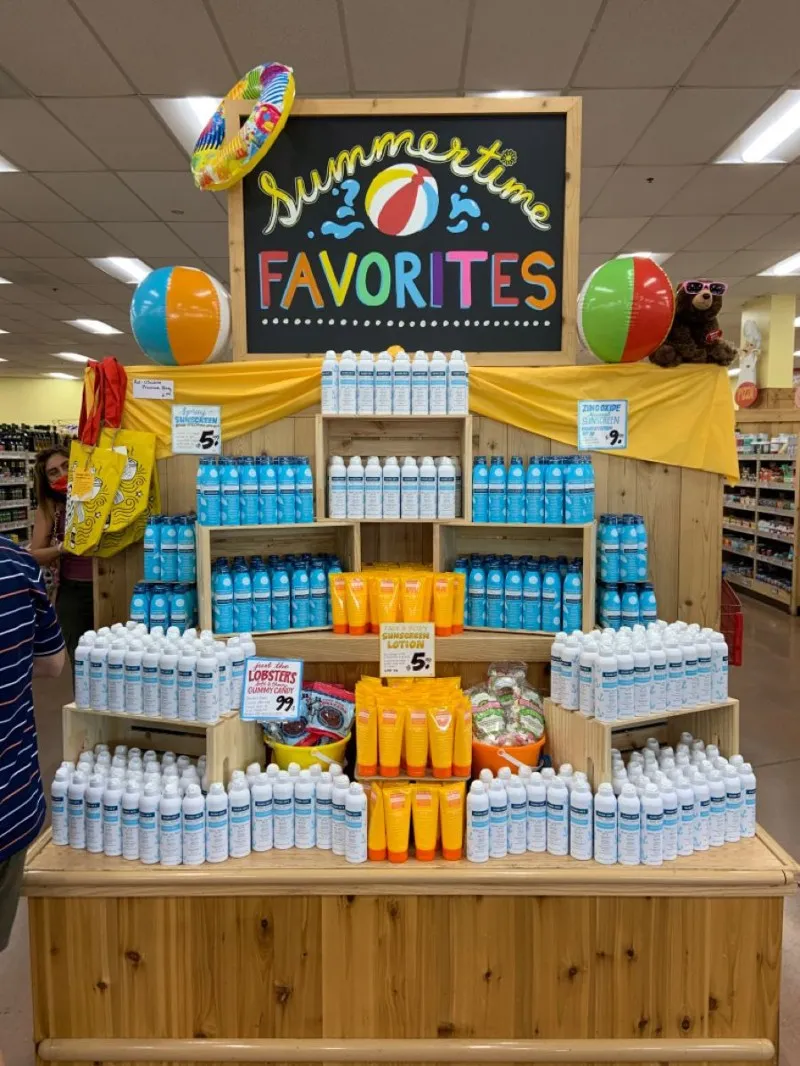
The structure may stay the same while the campaign changes through:
- interchangeable headers
- seasonal side graphics
- revised SKU arrangements
- limited-edition product grouping
- promotional color changes
- updated campaign messaging
This approach reduces cost while keeping the display visually active.
A reusable corrugated cardboard display stand works especially well for this type of retail strategy because the structure can support multiple promotional cycles without requiring permanent fixtures.
For large retail chains, this matters financially. Rebuilding an entire display system every season increases production cost, shipping volume, and store setup time. Updating selected components is often more practical and more scalable.
Why Seasonal Display Refreshes Matter More in High-Traffic Retail Environments
Not every retail environment requires frequent display updates.
Seasonal refreshes matter most in stores where customers repeatedly encounter the same promotional areas.
Supermarkets
Supermarkets create high visual repetition. Beverage promotions, snack campaigns, and seasonal aisles often remain in place for weeks. Once customers become familiar with the setup, the display loses stopping power.
A refreshed point of purchase cardboard display can restore visibility without changing the entire retail layout.
Convenience Stores
Convenience stores rely heavily on impulse purchases. Products compete in compact spaces where customer attention shifts quickly.
In these environments, even small visual updates can create stronger product interaction. Rotating featured products or updating front-facing graphics often has more impact than redesigning the display itself.
Seasonal Beverage Promotions
Summer drink campaigns, sports-event promotions, and holiday beverage launches depend on short attention windows.
For these programs, brands often use temporary cardboard display stands because they are easier to refresh and reposition during the campaign cycle.
Updating Graphics Without Replacing the Entire Display
One of the most practical retail strategies is updating graphics while keeping the existing structure.
This often includes:
new promotional headers
seasonal branding colors
campaign-specific messaging
removable printed side panels
The advantage is speed. Store teams can update the display without rebuilding the structure from scratch.
This strategy works particularly well for retail cardboard display stands used in supermarket rollouts where installation time and labor cost matter.
More importantly, visual refresh restores contrast inside repetitive retail environments. Customers react more strongly to visible changes than to static fixtures that never evolve.
Repositioning Displays Inside the Store
Sometimes the most effective seasonal refresh is not graphic-related at all.
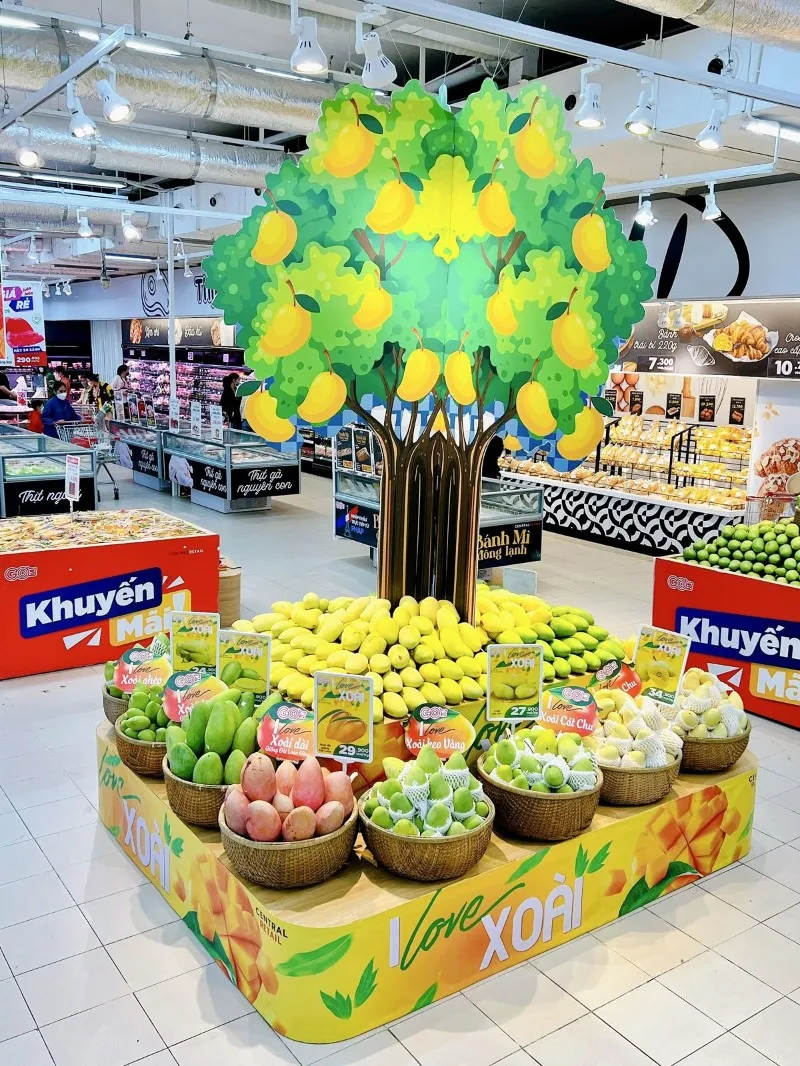
Moving the same display to a different retail position can completely change customer interaction.
For example:
an aisle-end display creates stronger interruption than inline shelving
a checkout-area display increases impulse purchase opportunities
a front-store placement improves promotional visibility
The same floor standing cardboard display may perform very differently depending on traffic flow and surrounding product categories.
This is why experienced retail brands plan display refreshes together with placement strategy instead of treating the display as an isolated object.
Rotating Featured Products Instead of Expanding SKU Count
Another common mistake in seasonal retail campaigns is adding too many products to the display.
Brands often assume more SKUs create more selling opportunities. In reality, excessive variety usually reduces clarity.
Seasonal refreshes work better when they simplify focus.
Examples include:
rotating a featured beverage flavor
highlighting limited-edition packaging
grouping products around a seasonal theme
creating promotional bundles
A focused promotional cardboard display stand generally performs better than an overloaded structure trying to show every product at once.
Why Modular Cardboard Display Systems Work Better for Seasonal Campaigns
Seasonal retail requires flexibility.
This is one reason why many brands are moving toward modular cardboard display stand systems instead of fixed long-term fixtures.
Modular cardboard displays support:
- replaceable graphics
- reusable structures
- flat-pack transportation
- easier rollout across multiple stores
- lower seasonal update cost
For large retail programs, this flexibility becomes operationally important.
A beverage campaign may require:
spring graphics
summer product bundles
holiday messaging
limited-edition launches
Using one adaptable structure across multiple campaigns simplifies logistics and improves consistency across locations.
This is especially valuable for supermarket promotions where rollout speed directly affects campaign timing.
Common Mistakes Brands Make When Refreshing Seasonal Displays
Many seasonal campaigns underperform because brands focus only on appearance.
The actual retail problems are often operational.
Updating Graphics but Ignoring Product Placement:A new design does not help if the display remains in a low-traffic zone.
Overloading Seasonal Messaging:Too many promotional elements reduce readability. Customers should understand the display within seconds.
Rebuilding Displays Too Frequently:Completely replacing displays every season increases cost unnecessarily. In many cases, updating selected components is enough.
Ignoring Replenishment Behavior:Some seasonal displays look strong during setup but become disorganized after several days because replenishment was never considered in the design stage.
Displays that are difficult to refill usually lose visual impact quickly.
Why More Brands Use Cardboard Display Systems for Seasonal Retail Campaigns
Retail campaigns move faster than before.
Product launches are shorter. Promotional cycles change more frequently. Seasonal retail windows are increasingly compressed.
Because of this, brands need display systems that are:
- flexible
- scalable
- cost-efficient
- easy to update
A well-designed cardboard display stand supports these requirements better than many fixed retail fixtures.
The structure can evolve with the campaign instead of being replaced every time the marketing theme changes.
For retail brands managing multi-store rollouts, this approach improves both execution efficiency and promotional consistency.
Final Thoughts
Retail attention is temporary.
Displays that remain unchanged for too long gradually lose visibility, even when the products themselves are still relevant. Seasonal display refreshes help restore customer attention by reintroducing visual contrast, promotional focus, and merchandising variation into the retail environment.
The most effective refresh strategies are not always the most expensive ones. In many cases, updating graphics, rotating featured products, repositioning displays, or using modular cardboard systems creates stronger results than rebuilding the entire display program.
For brands managing seasonal retail campaigns, the goal is not simply to decorate the store differently every few months. The goal is to keep the retail environment visually active enough that customers continue to notice, stop, and interact with the products being promoted.