










Getting products into retail stores is a major milestone for any business. Not only does it boost your brand's credibility, it also provides the exposure needed to reach a wider audience. However, convincing retailers to stock your products and ensuring they sell well once they're on the shelves requires a strategic approach. This article will share some actionable advice to help you create persuasive pitches and effectively approach stores to sell your products.
1. Understand the Importance of Branding
Before approaching retail stores, it's crucial to establish a strong brand identity. Your brand should communicate a clear message, resonate with your target audience, and differentiate you from competitors.
Key Steps to Build Your Brand:
- Define Your Mission and Value Proposition: Clearly state why your business exists and how your products benefit consumers. Highlight the unique value your products offer.
- Develop Your Brand Voice: Choose a tone that reflects your brand's personality. Whether it's friendly, professional, or innovative, ensure consistency across all communication channels.
- Create a Visual Identity: Design a cohesive visual identity, including your logo, color palette, typography, and packaging. Consistent visuals help build brand recognition.
- Craft a Compelling Brand Story: Share your journey and values. A compelling story can make your brand more relatable and memorable to consumers.
2. Prepare Your Product for Retail
Your product's presentation is crucial in attracting retailers and consumers. Here are some essential steps:
Product Packaging:
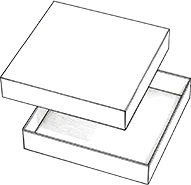
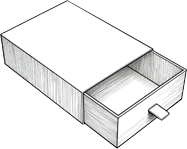
- Make It Eye-Catching: Use high-quality design and materials. Ensure your packaging stands out on the shelves.
- Be Informative: Clearly display product details, benefits, and any certifications example, environmental protection, FSC certification
- Consider Sustainability: Eco-friendly packaging can appeal to environmentally conscious consumers and retailers.
Retail Displays:
Use Eye-Catching Displays: Retail displays are a powerful tool to grab attention and drive sales. Consider custom displays tailored to your product.
Highlight Key Features: Use displays to emphasize unique selling points, such as sustainability or innovation.
Test Different Formats: Experiment with floor stands, endcaps, counter displays, or interactive setups to see what works best for your product.
3. Craft a Compelling Pitch
When approaching retailers, your pitch should be concise, confident, and focused on value.
Tips for a Winning Pitch:
- Bring a Finished Product Sample: Show a polished sample with packaging to give retailers a clear idea of what you offer.
- Keep It Brief: Focus on how your product benefits the retailer and their customers. Skip lengthy company histories.
- Highlight Value Over Price: Emphasize the benefits and problem-solving aspects of your product.
- Be Prepared with Data: Use market research to back up your claims and show that your product meets a real need.
- Offer a Strategy: Suggest how your product fits into the store's layout and marketing plans.
4. Write an Effective Sales Letter
Before meeting retailers in person, a well-crafted sales letter can open doors.
Key Elements of a Sales Letter:
- Catchy Subject Line: Make it clear and compelling, especially if sending an email.
- Personalize the Greeting: Address the recipient by name.
- Show Appreciation: Mention why you admire their store.
- Introduce Your Product: Briefly explain what your product offers.
- Request a Meeting: Ask for a chance to present your product in person.
- Include Supporting Materials: Attach a sell sheet, product photos, or links to videos.
- Provide Contact Details: Make it easy for the retailer to reach you.
5. Follow Up Professionally
Following up after your initial contact or pitch is essential to maintain momentum.
Tips for Effective Follow-Up:
- Keep It Concise: Write a brief, friendly email referencing your previous interaction.
- Offer to Answer Questions: Encourage the retailer to share any concerns or feedback.
- Stay Persistent: If you don't hear back, send polite follow-ups every few weeks. Quarterly updates can also help nurture the relationship.
6. Utilize Marketing Materials
Having professional marketing materials ready shows retailers you're prepared for success.
Essential Marketing Materials:
- Product Line Sheets: Include high-quality images, product descriptions, pricing, and SKU codes.
- High-Quality Images: Use professional photos to build credibility.
- Brochures: Provide an overview of your products and a call-to-action.
- Social Media Presence: Showcase your brand's online presence and engagement.
- Banner Ads: Prepare eye-catching ads for potential in-store or online use.
Conclusion
To successfully market your products to retail stores requires effective communication and strategic preparation. By understanding your brand's unique value, presenting your products professionally, and maintaining consistent follow-up, you can build lasting partnerships with retailers and drive sales. Remember, persistence and professionalism are the keys to achieving your goals.
Let WOW help you enhance your customers' in-store experience and close deals with retailers.